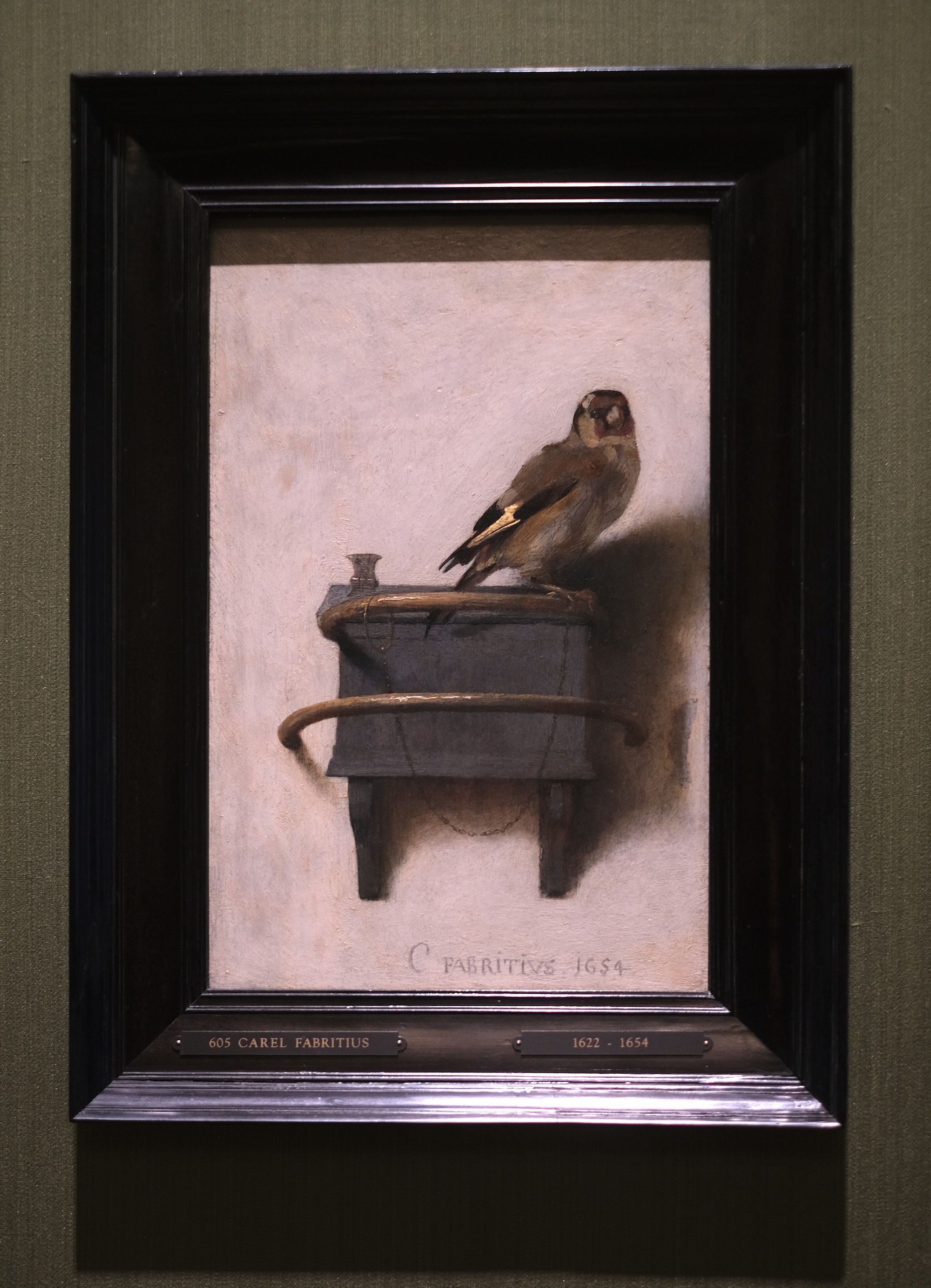
The first time I read Donna Tartt’s novel, The Goldfinch, I fell in love with Boris. I was sucked in by the philosophical questions it raised about good and bad, about whether people can change, about whether people should change. At the time, I don’t think I was thinking a lot about art.
I’ve since read the book a couple more times. I’ve also since realized that art fills me with as much awe as the night sky does. I want more of it it in my life. Art fills my cup. So after the second or third read, I became more interested in the painting that’s central to the novel: The Goldfinch by Carel Fabritius. I didn’t think I’d ever actually get to see it, but I added “see the original Goldfinch” to my bucket list.
Miraculously, beautifully, unexpectedly, and with my deepest gratitude, I have now seen this little bird, in real life, at the Mauritshuis museum in The Hague, where I travelled last week for a meetup for work. The experience was even better than I could have hoped for.
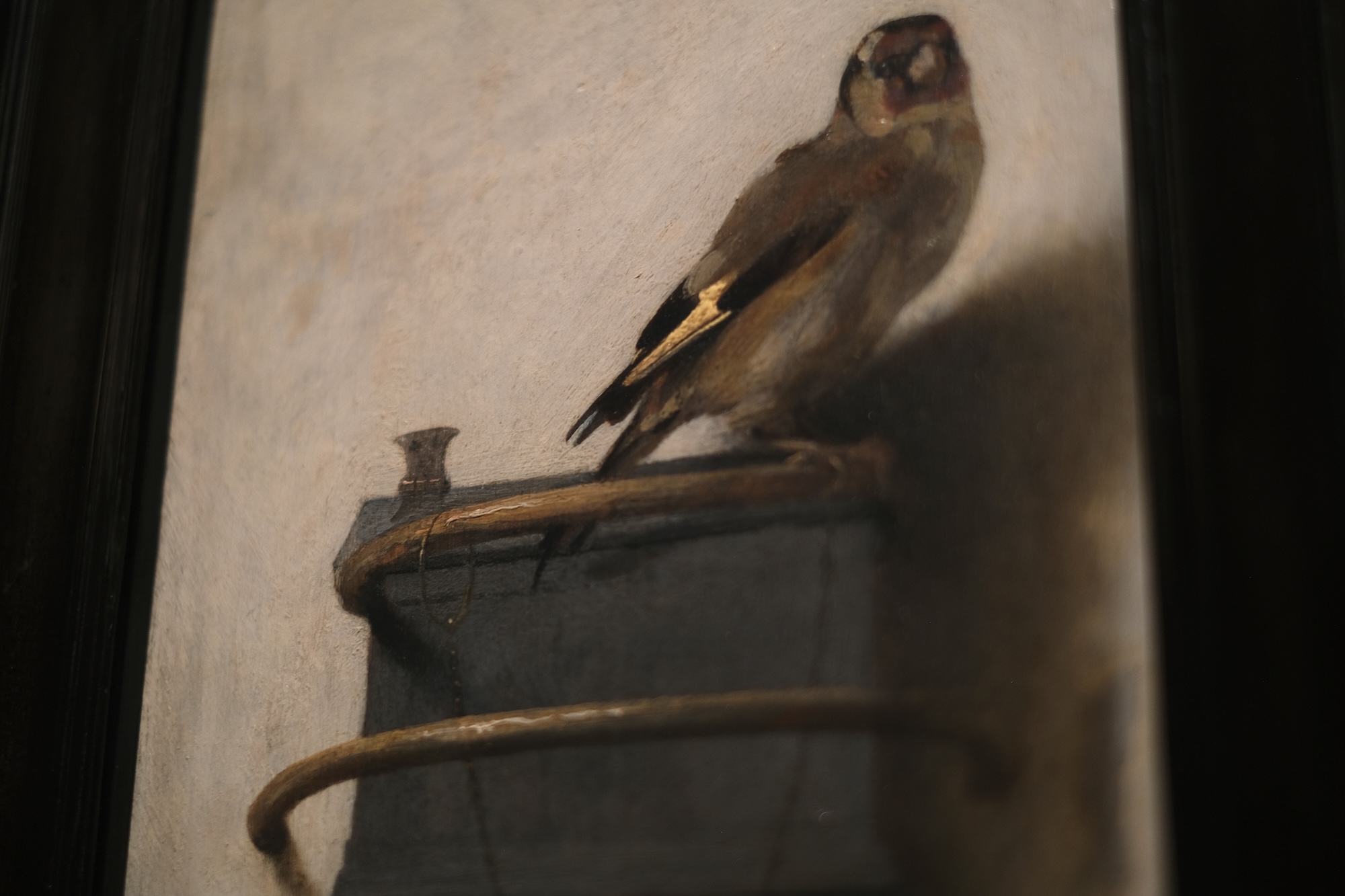
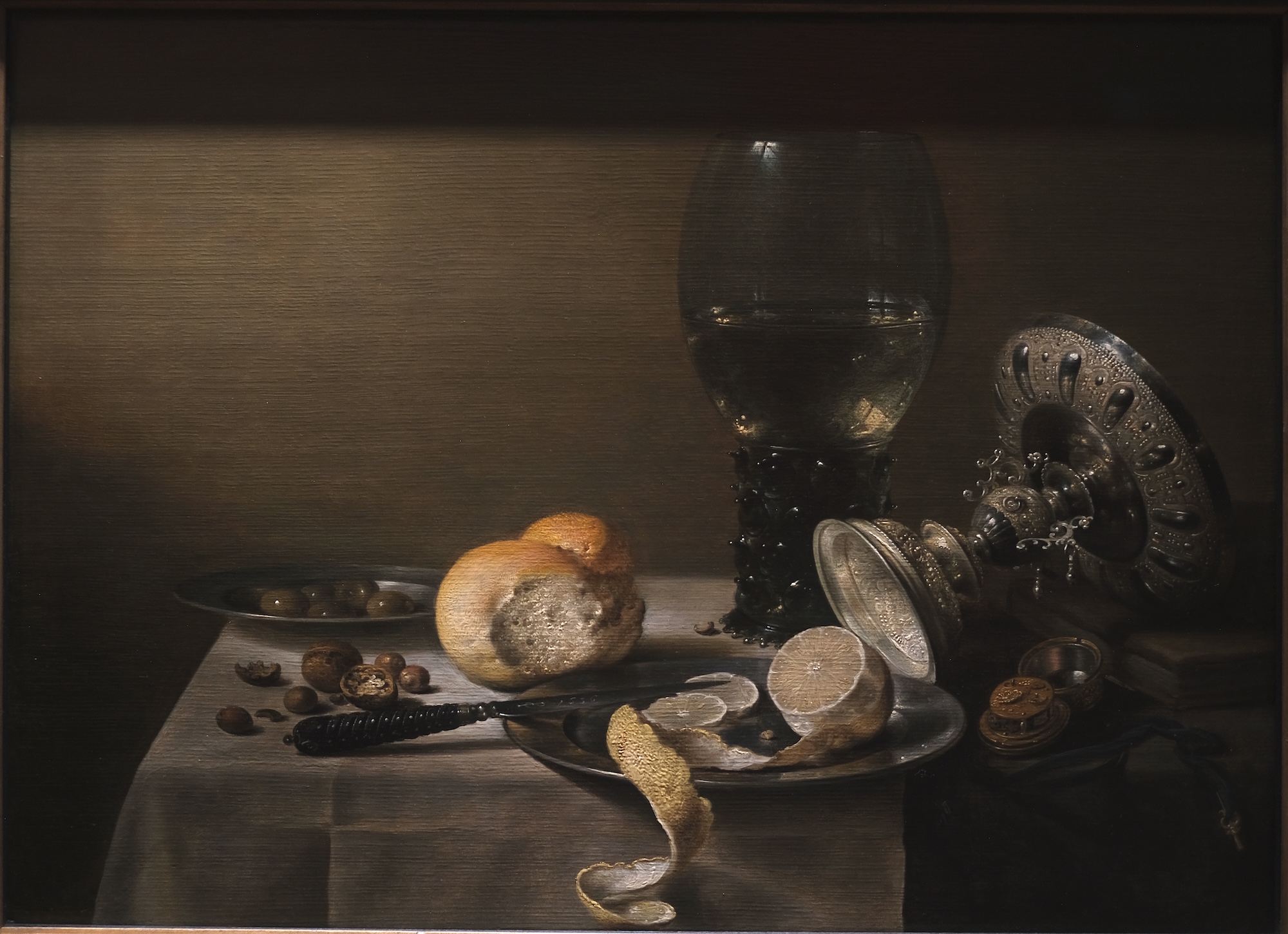
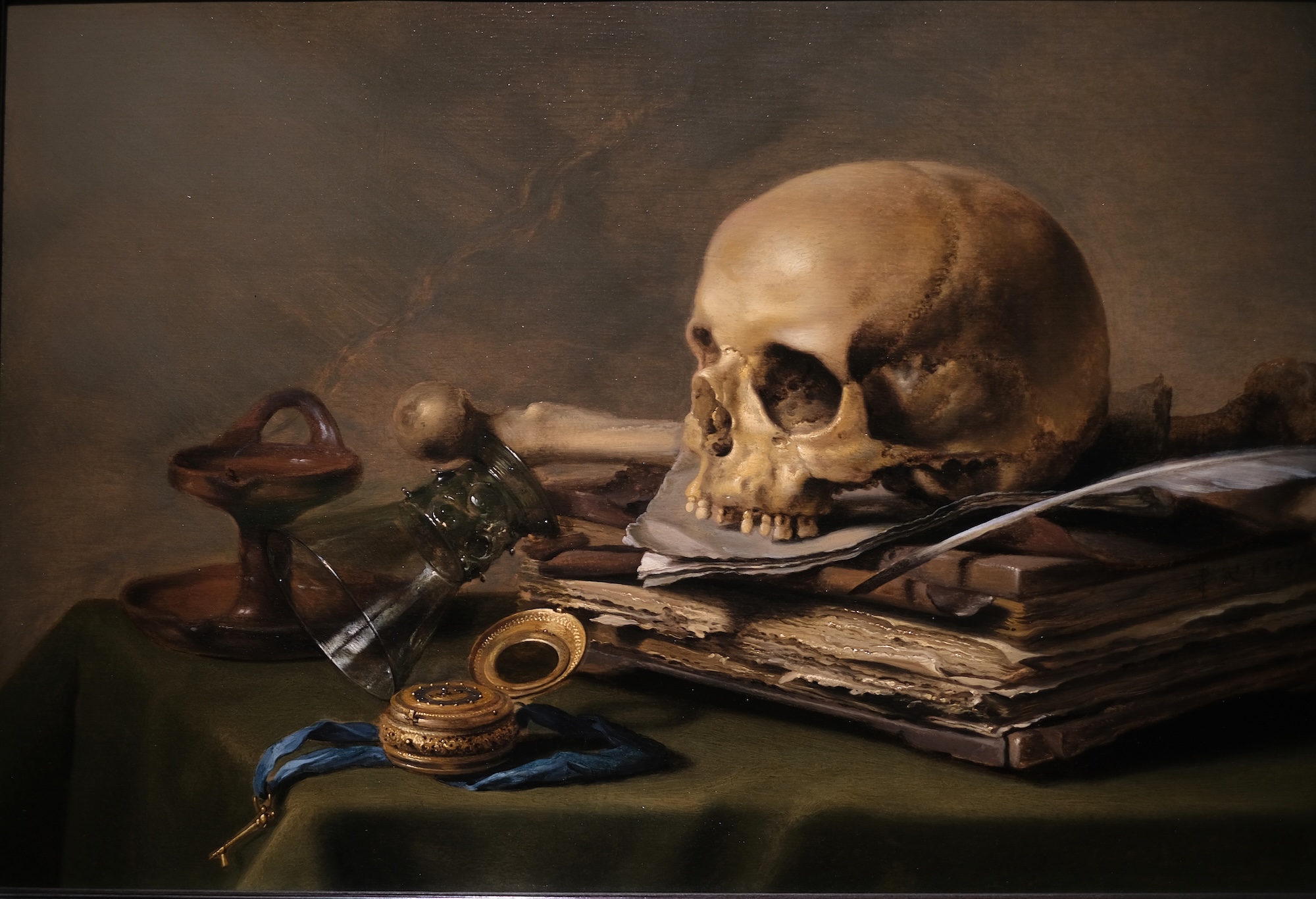
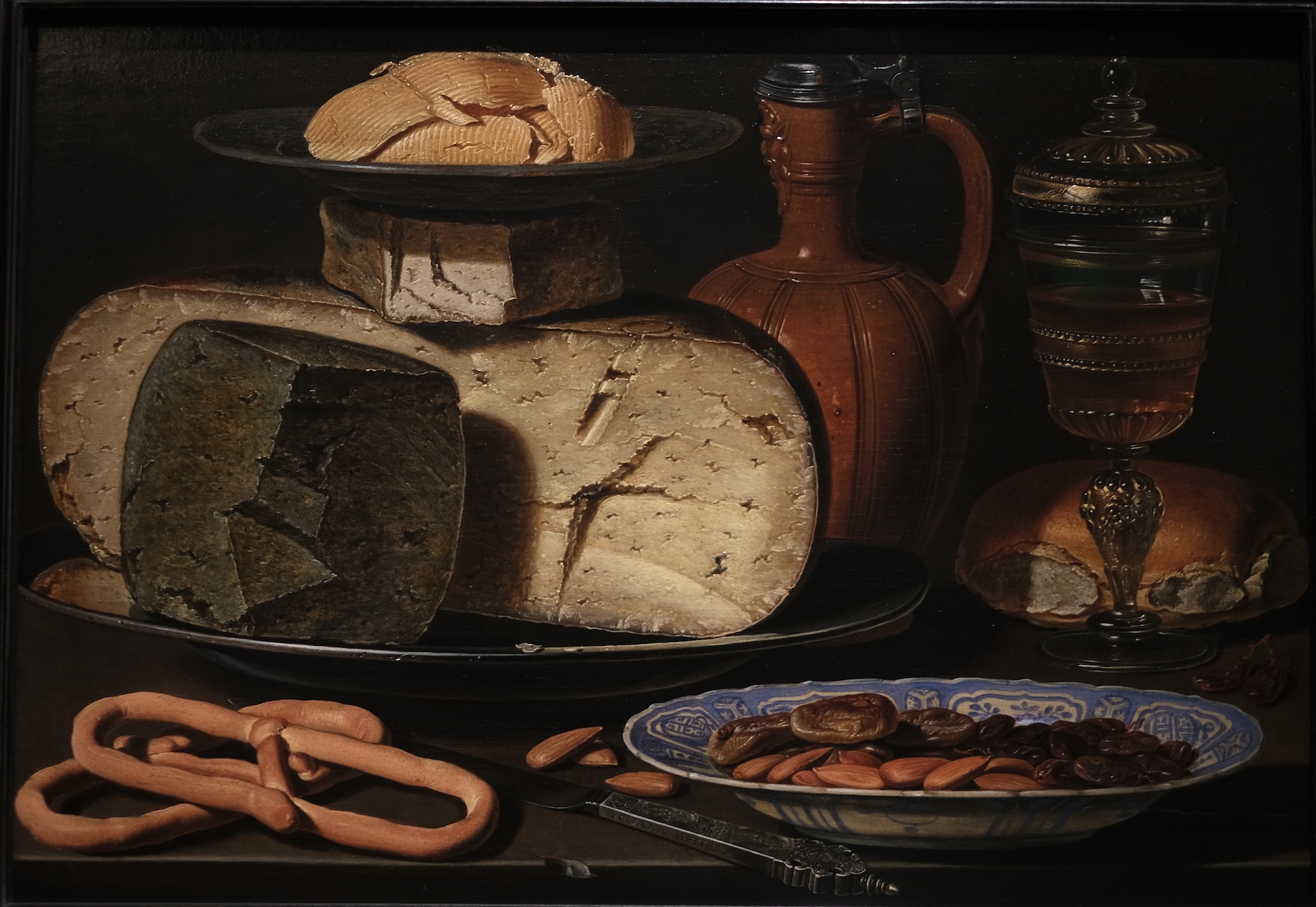
I began reading The Goldfinch again on the flight to Amsterdam, only to realize a detail I’d passed over with every other reading, which is that at the beginning of the novel, Theo and his mother are visiting a special, temporary exhibit at the Met in New York called “Portraiture and Nature Morte: Northern Masterworks of the Golden Age.” In the first chapters, Tartt describes not just Fabritius’s Goldfinch, but the overall mood and feel of Dutch masterpieces from the Golden Age. Dutch masterpieces that I was going to get a chance to see while in Amsterdam and The Hague: works by Rembrandt, Vermeer, and Frans Hals; deep darks and beautiful light; voluptuous satiny flowers with insects and reptiles, skulls, and other still life compositions that take my breath away in their richness and their juxtaposition of the exhuberance of life with the certainty of death.
The walls glowed with a warm, dull haze of opulence, a generic mellowness of antiquity; but then it all broke apart into clarity and color and pure Northern light, portraits, interiors, still lifes, some tiny, others majestic: ladies with husbands, ladies with lapdogs, lonely beauties in embroidered gowns and splendid, solitary merchants in jewels and furs. Ruined banquet tables littered with peeled apples and walnut shells; draped tapestries and silver; trompe l’oeils with crawling insects and striped flowers.
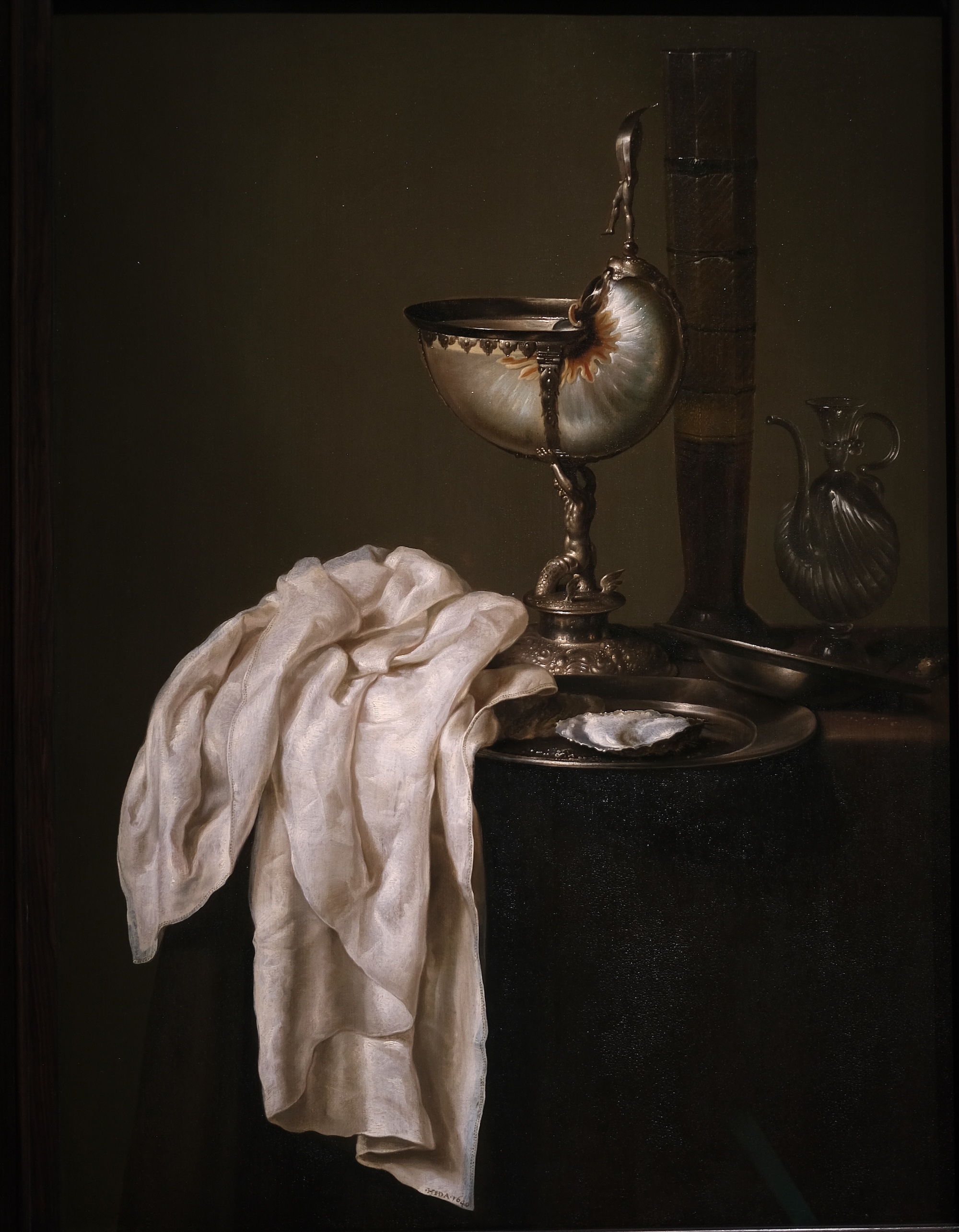
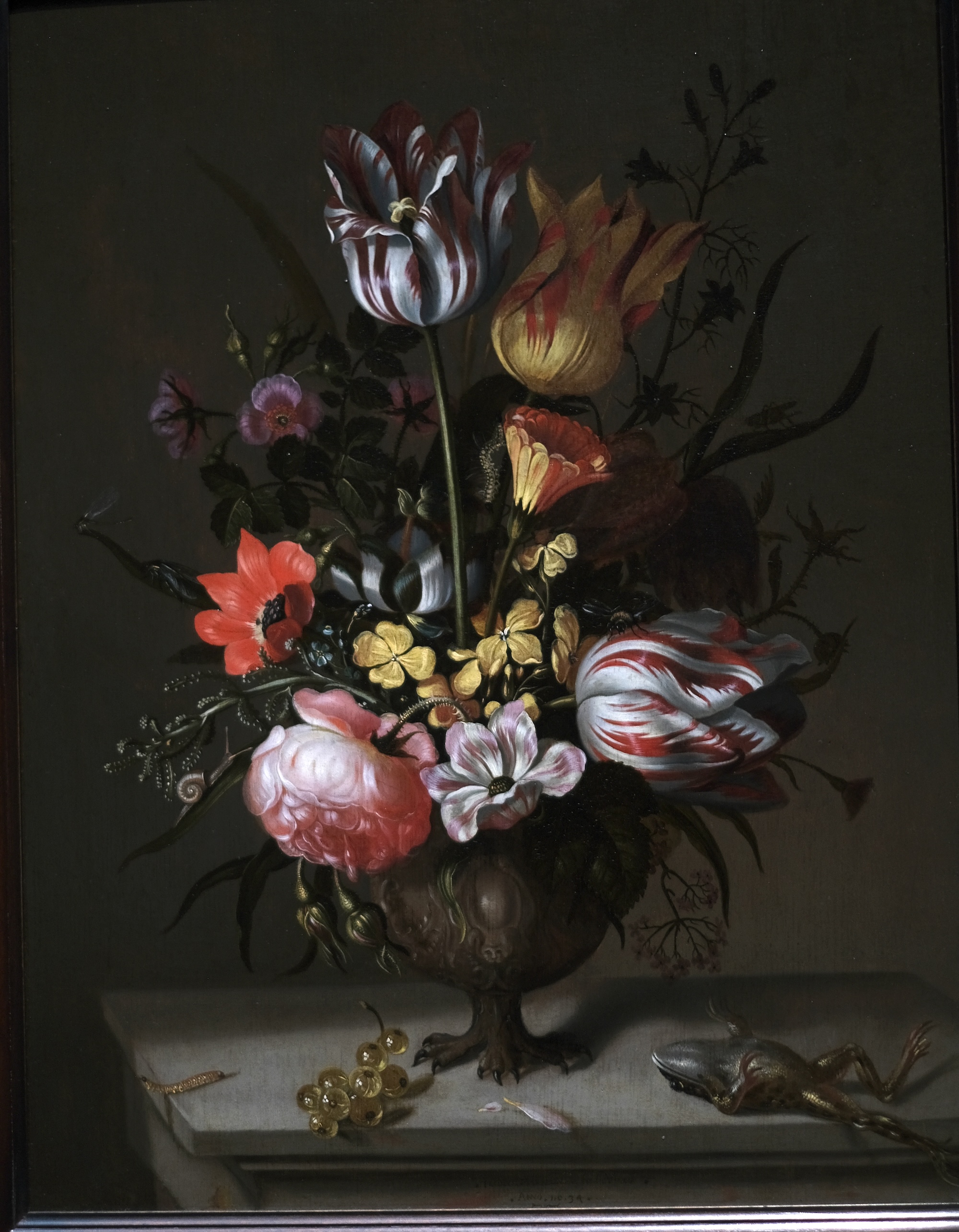
With this reading of The Goldfinch, I realized in a way I never had before how much it is about art. This is what makes a masterpiece a masterpiece, whether visual or with language: it is deeply layered. With every visit, you get something new in addition to the pleasure of its familiarity. With this reading, I got to go deeper with the Dutch art I never knew I loved until my husband and I encountered it in an exhibit in Montreal when we went there for my 50th birthday: “The Golden Age in Holland and Flanders: Cabinet of Curiosities.” I remember gasping anew with each painting we saw, and I fell in love with the Dutch masters that day.
Reading The Goldfinch while visiting the paintings in real life was a decadent treat that will fill my soul for a long, long time.