March through June are full of green growth, spring flowers, cloudy days mixed with fair ones, and rain. July 1, the faucet turns off and the sun turns on. Summer flowers begin to bloom. In early July in our corner of Virginia, many of the butterfly attractors begin to open up, and host plants have enough leaves and fresh greenery for butterflies to feel confident their baby caterpillars will have something to eat.
Because of the lack of rain, July also means fewer clouds and a more assertive sun. The lawn has already lost its lush green of spring, and by the end of the month, many of the flowers that are peaking now will turn crispy. I took some photos yesterday to catch them before they turn.
The butterflies aren’t here yet, but they will be soon. Around 6pm yesterday, after I’d put the camera away, a monarch flitted around the front beds for at least half an hour. I never did see it land for a drink, but there are tasty treats here: it will come back.
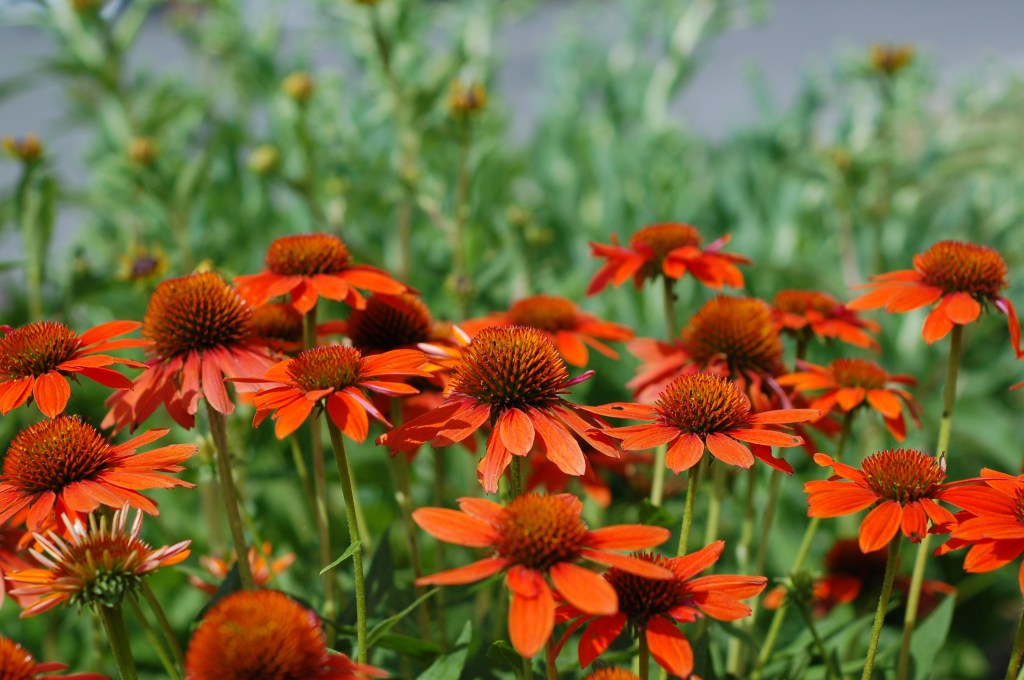
Lavender: bees love it.White coneflowersMy perch: lavender where I can smell it, and nectar plants where I can watch for butterflies (there’s also a swamp milkweed as a host plant for monarchs)Black eyed Susans starting to flowerOrange coneflowers
Back beds
The back beds include nectar plants along with host plants like rue, spicebush, dill, and milkweed.
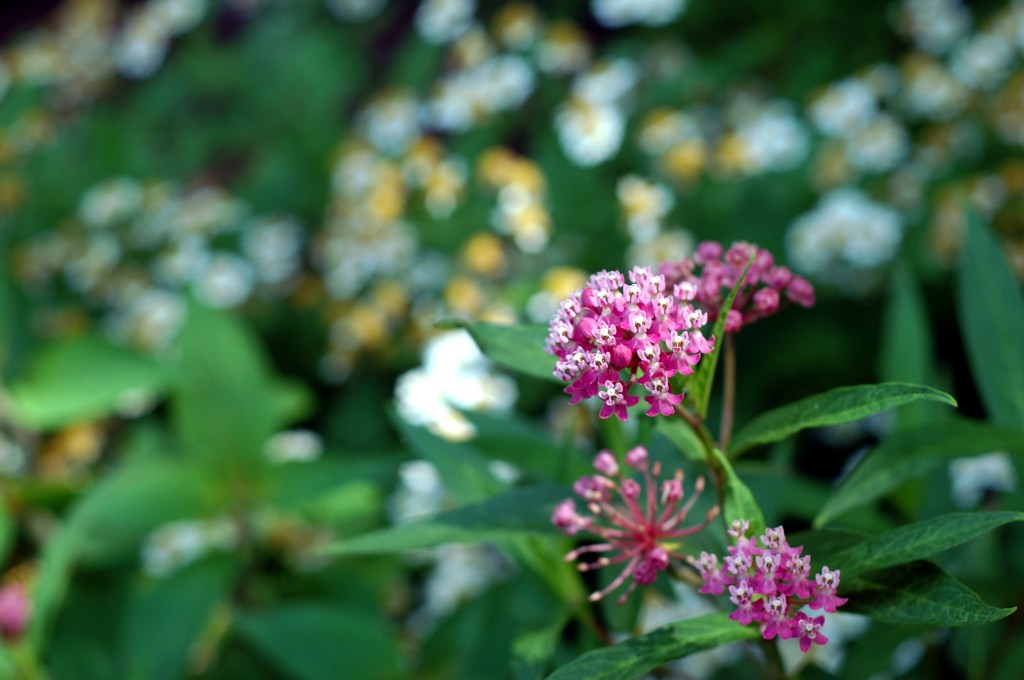
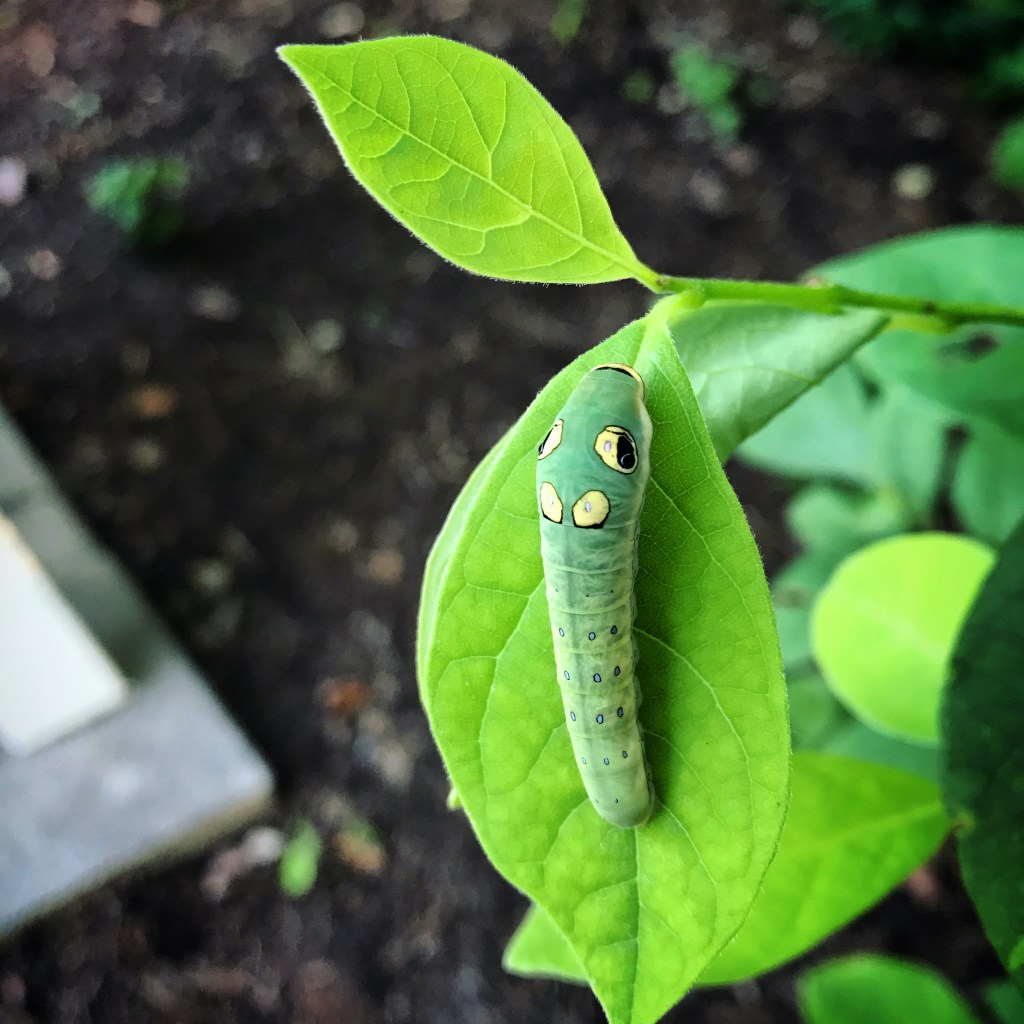
Milkweed flowersAgastache (foreground), with verbena, bee balm, and dill in the backgroundSpicebush swallowtail caterpillar
Bee balm and dill (hummingbirds love the bee balm; dill is a host plant for swallowtails)
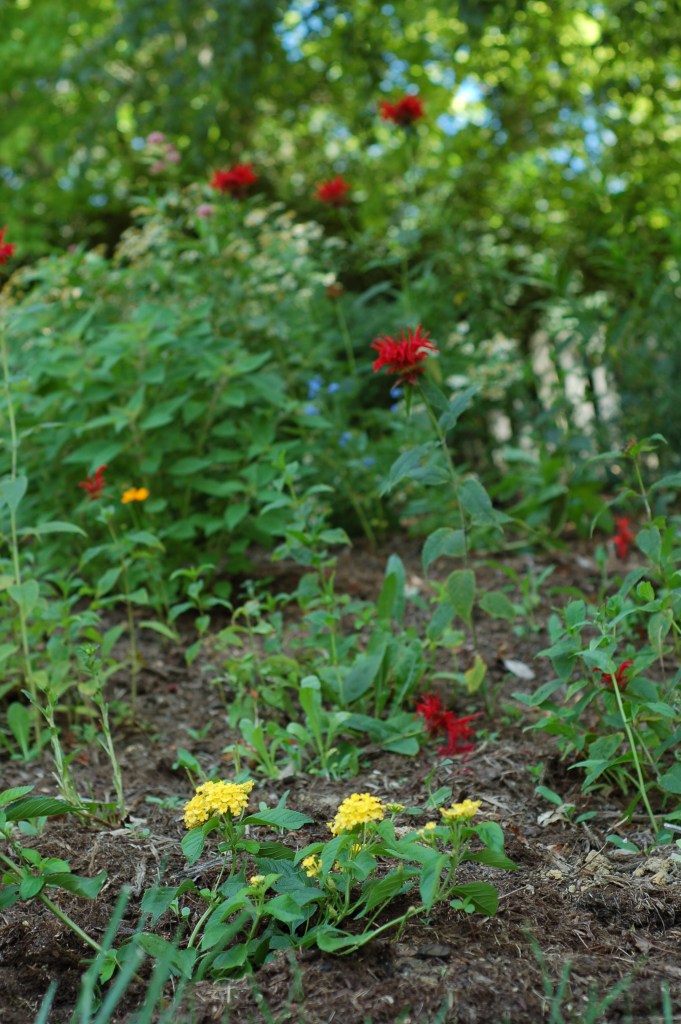
Lantana and bee balm pop here, but this is also where all the milkweeds are (not shown; milkweed is host plant for monarch caterpillars)
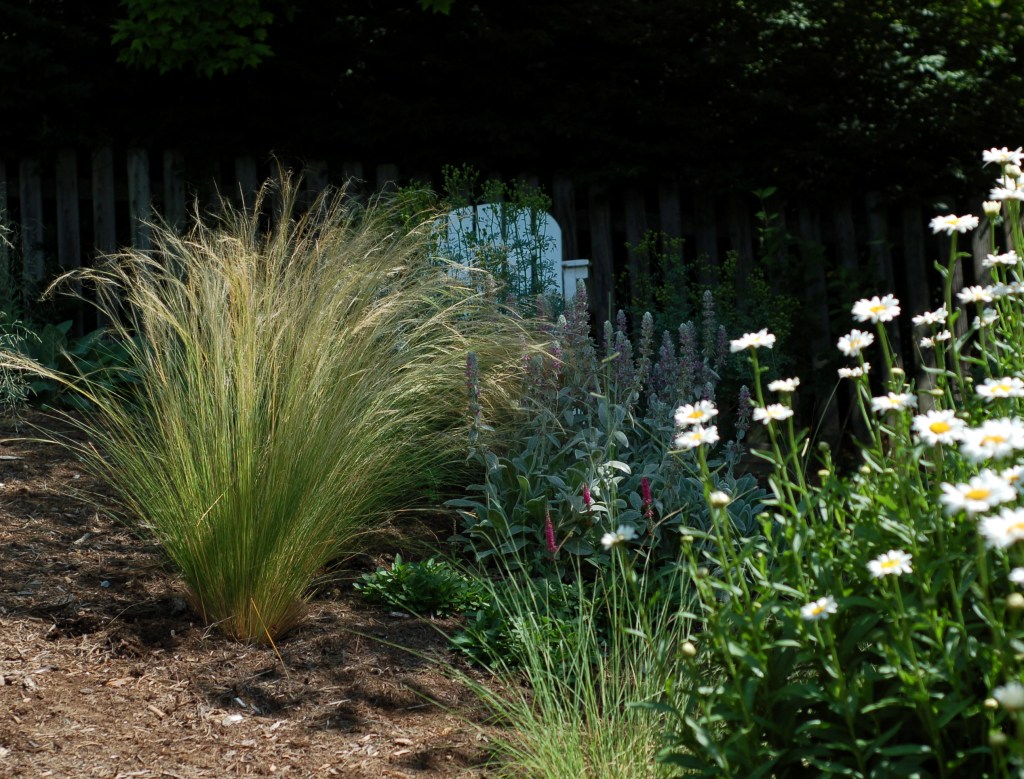
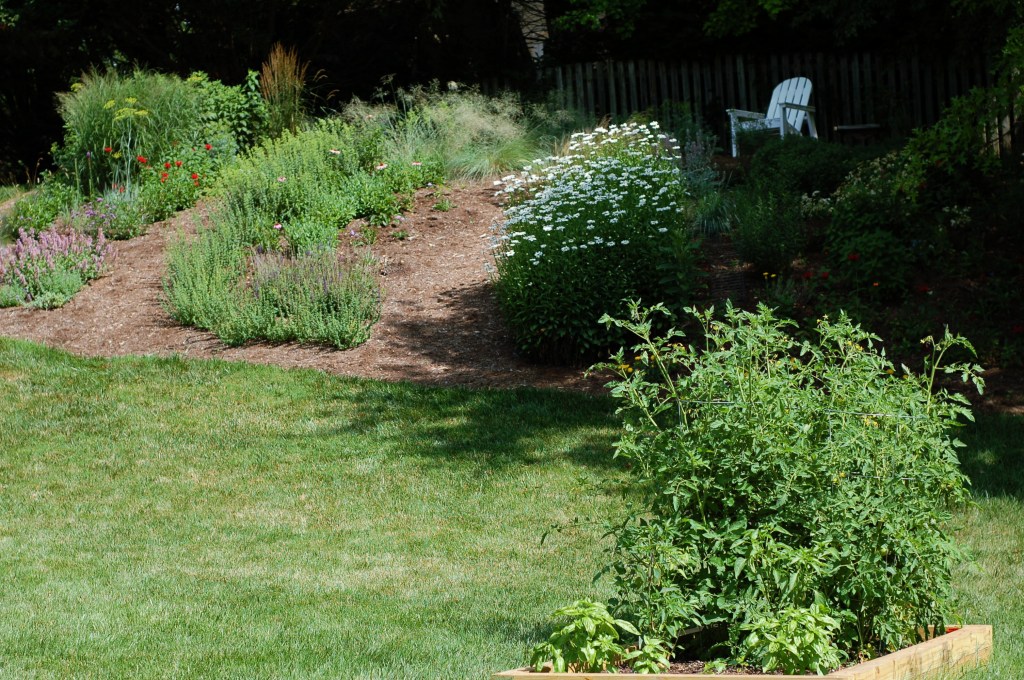
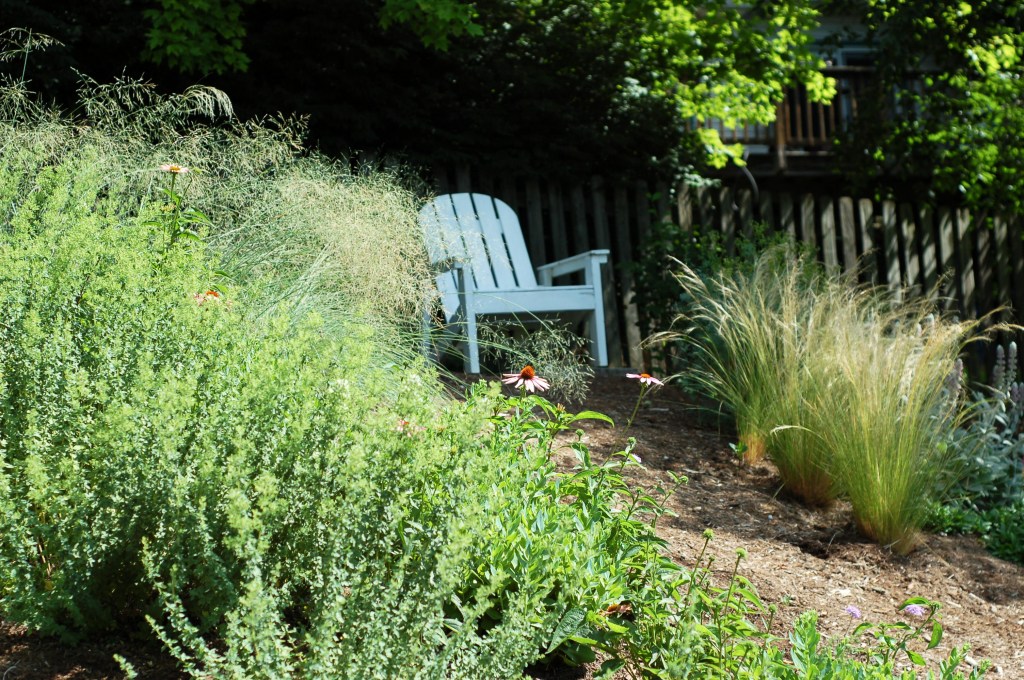
Mexican feather grass (left): my favorite ♥️. The rue is behind the feather grass; rue is a host plant for swallowtail caterpillarsTomatoes and basil thrive in the raised bedEchinacea, marjoram, dill (background)View from hammockMy feather grass again 😍









 Butterfly Mind