It’s rough getting winter storm warnings in autumn. The kids were out of school yesterday, with inclement weather days chipping away at their summer break before we even get to December.
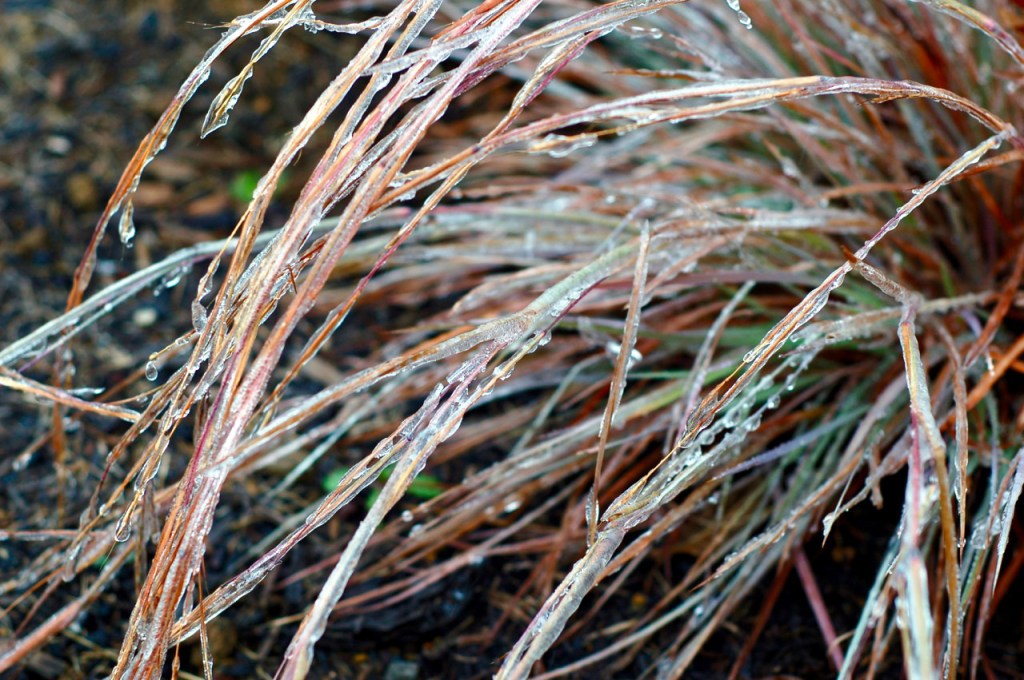
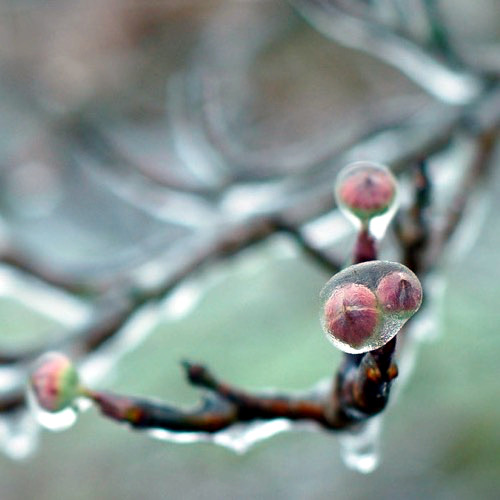
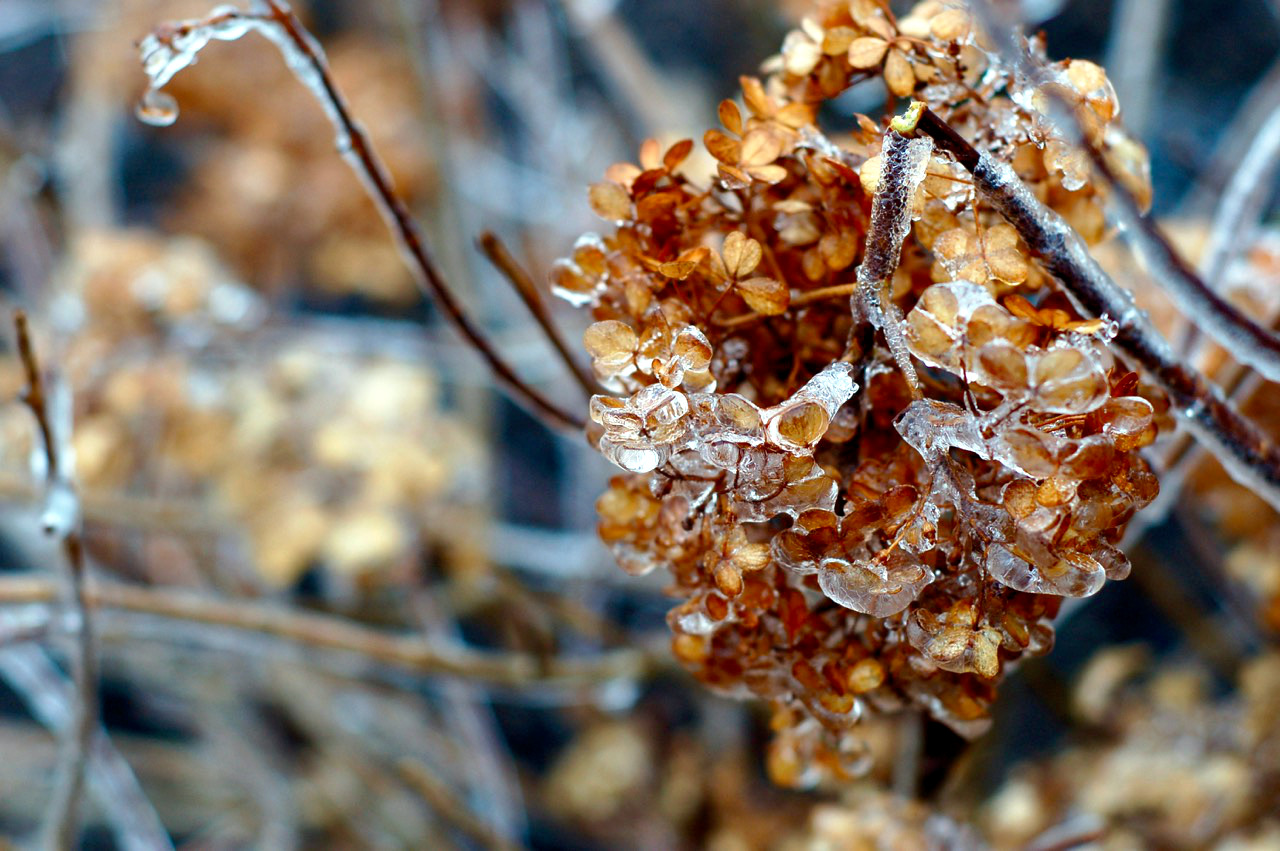
But ice sure is pretty.


It’s rough getting winter storm warnings in autumn. The kids were out of school yesterday, with inclement weather days chipping away at their summer break before we even get to December.
But ice sure is pretty.
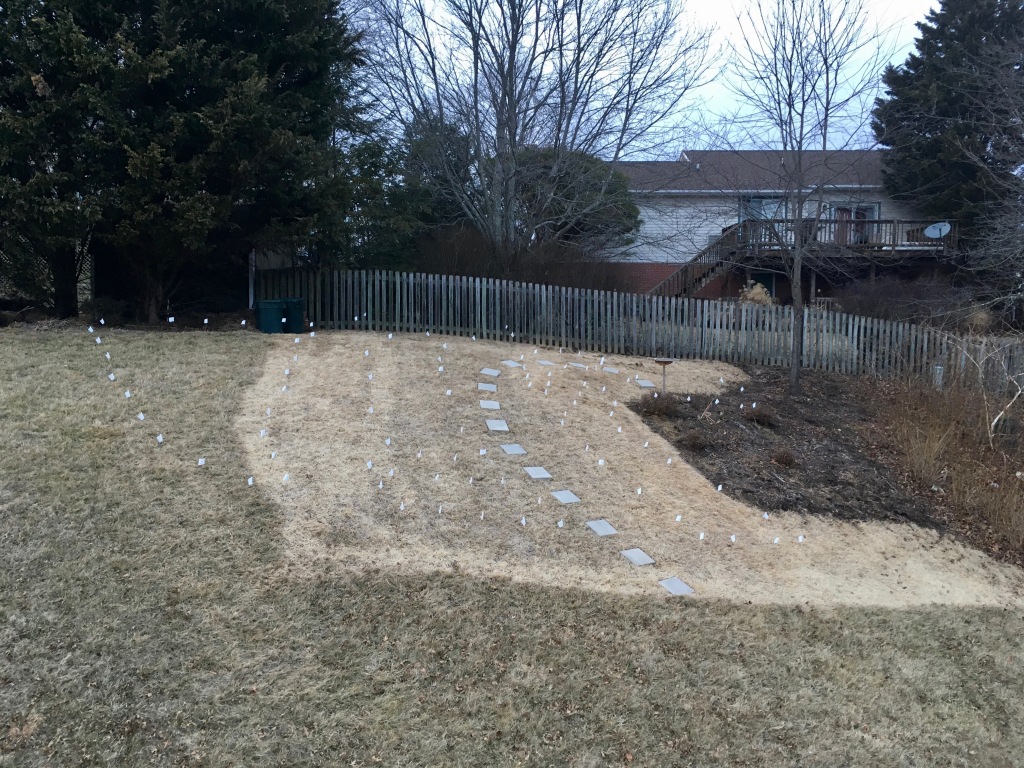
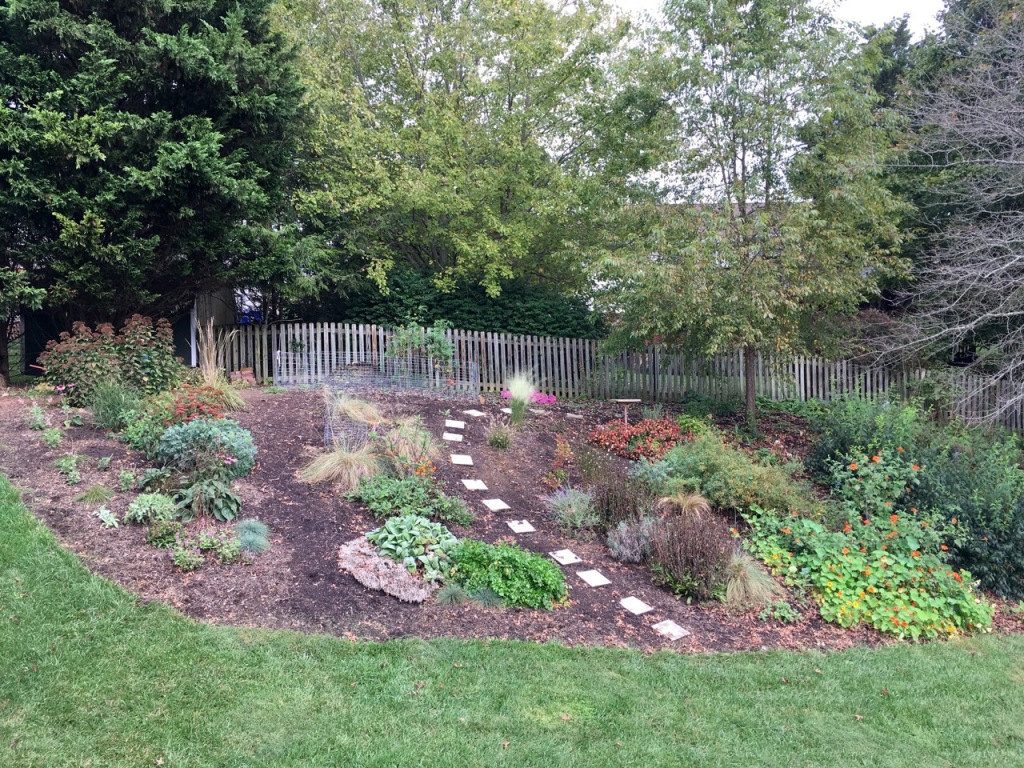
Last winter I obsessed over the garden. I scoured seed catalogs, bought graph paper to design flower beds, stood at the back door staring at the bare hill and tried to visualize what it would look like with plants on it.
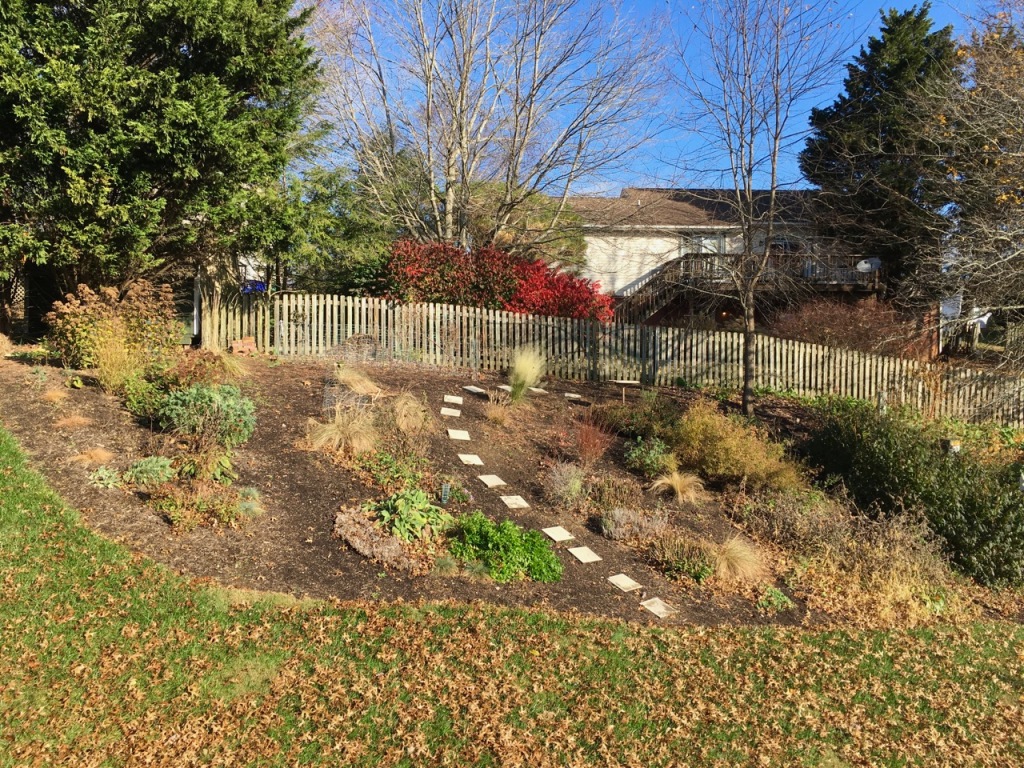
Now that everything is dead and gardening season is over, I wanted to take a look at the gardens’ transformation through the months.
Back garden
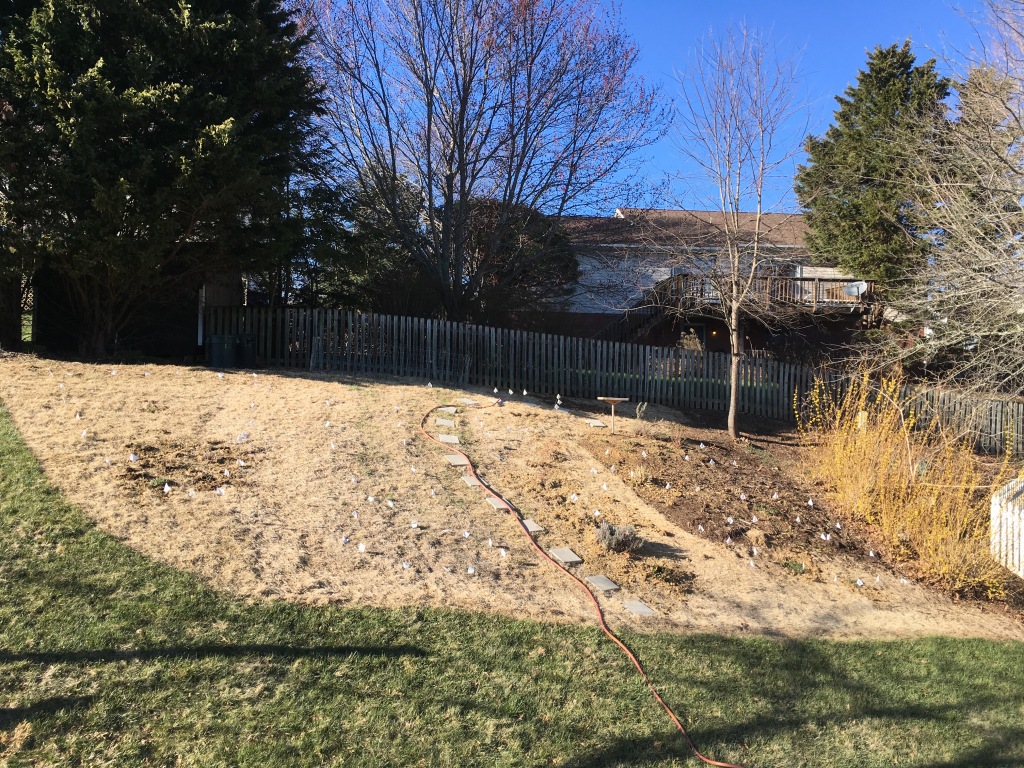
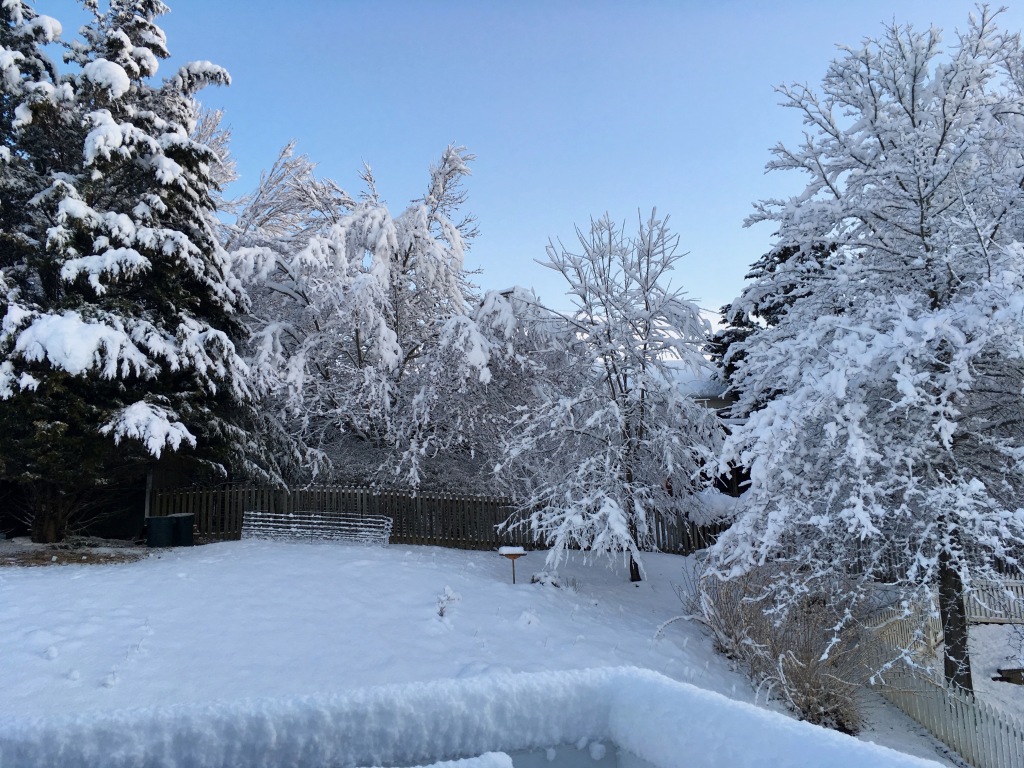
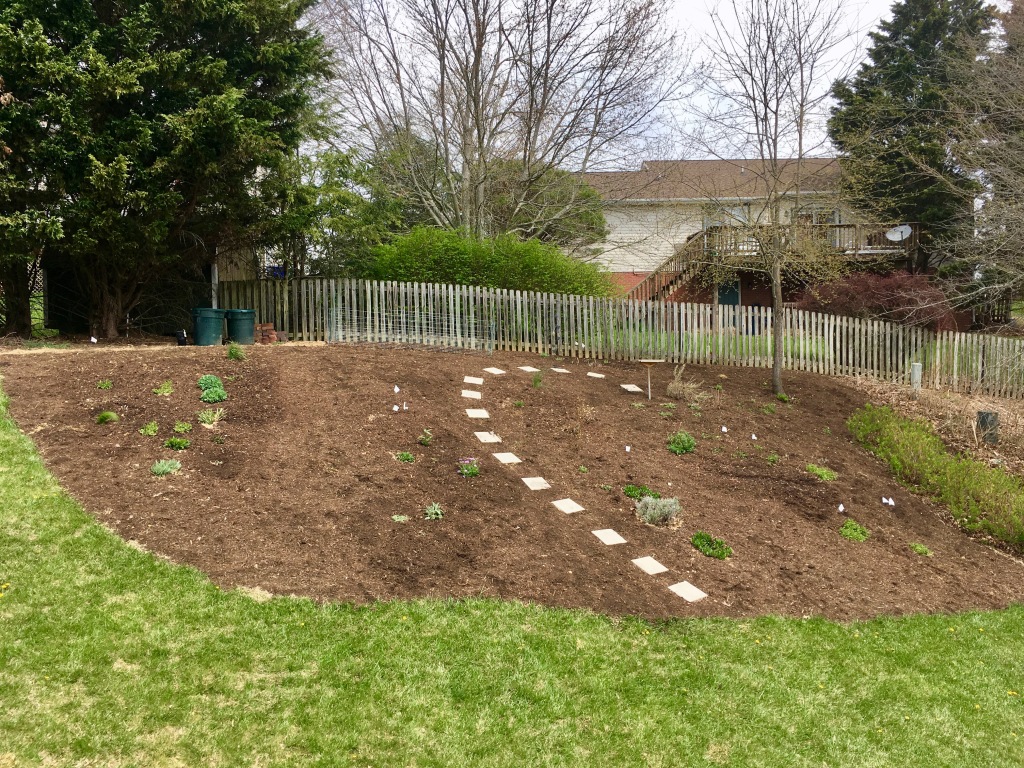
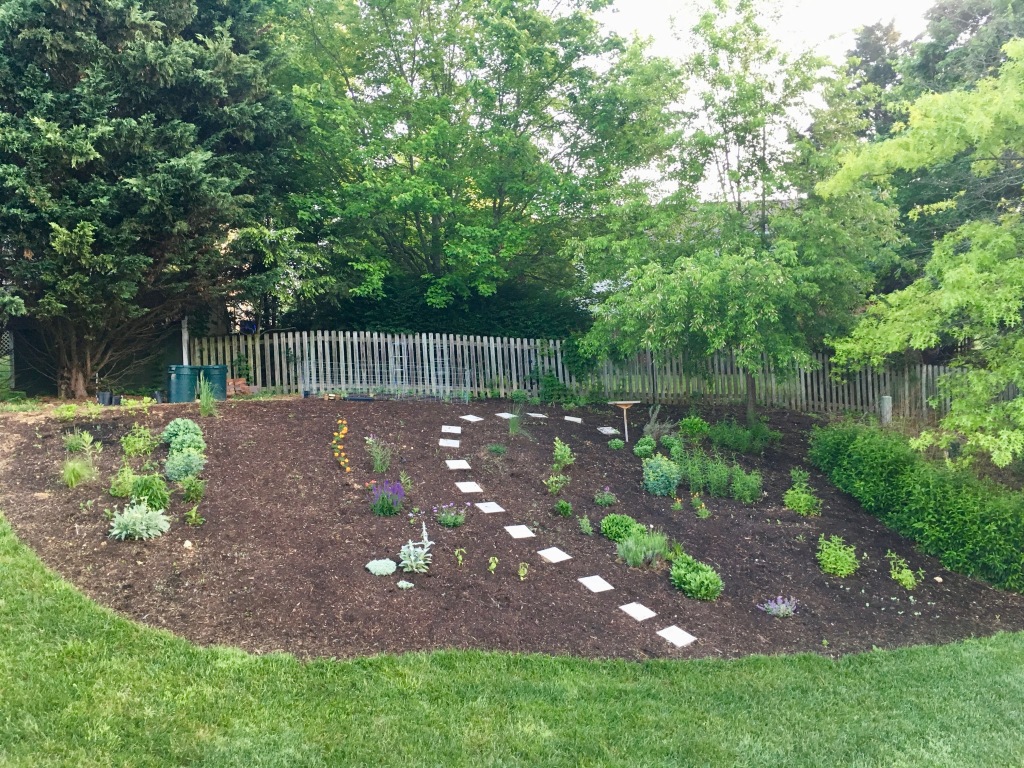
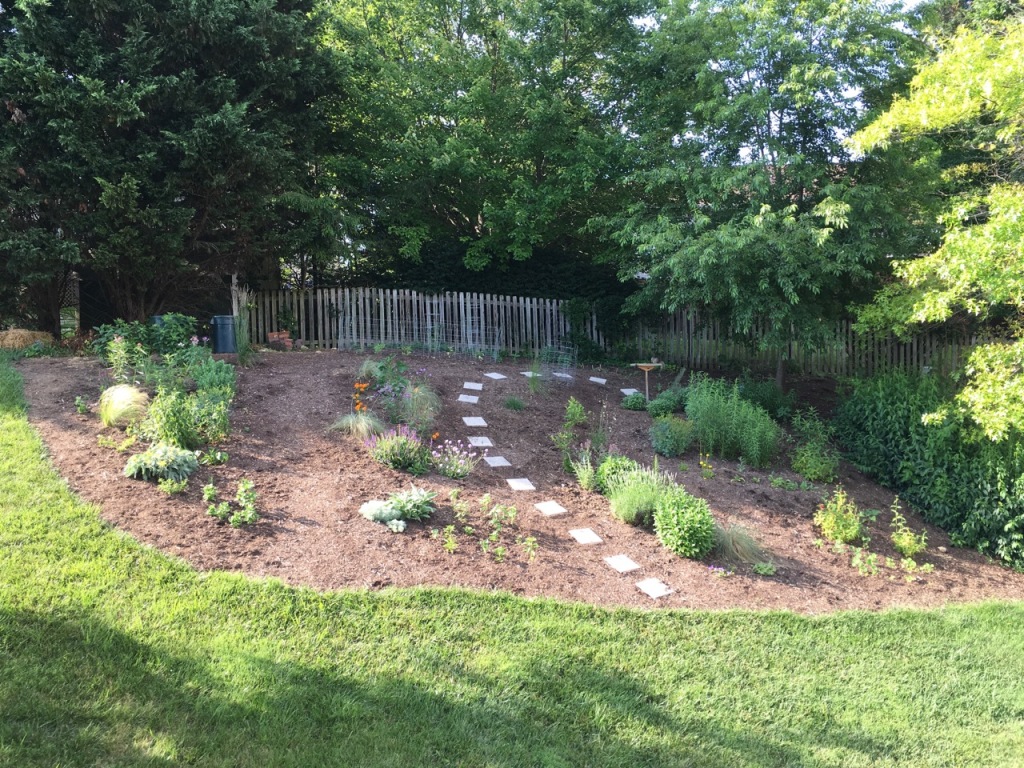
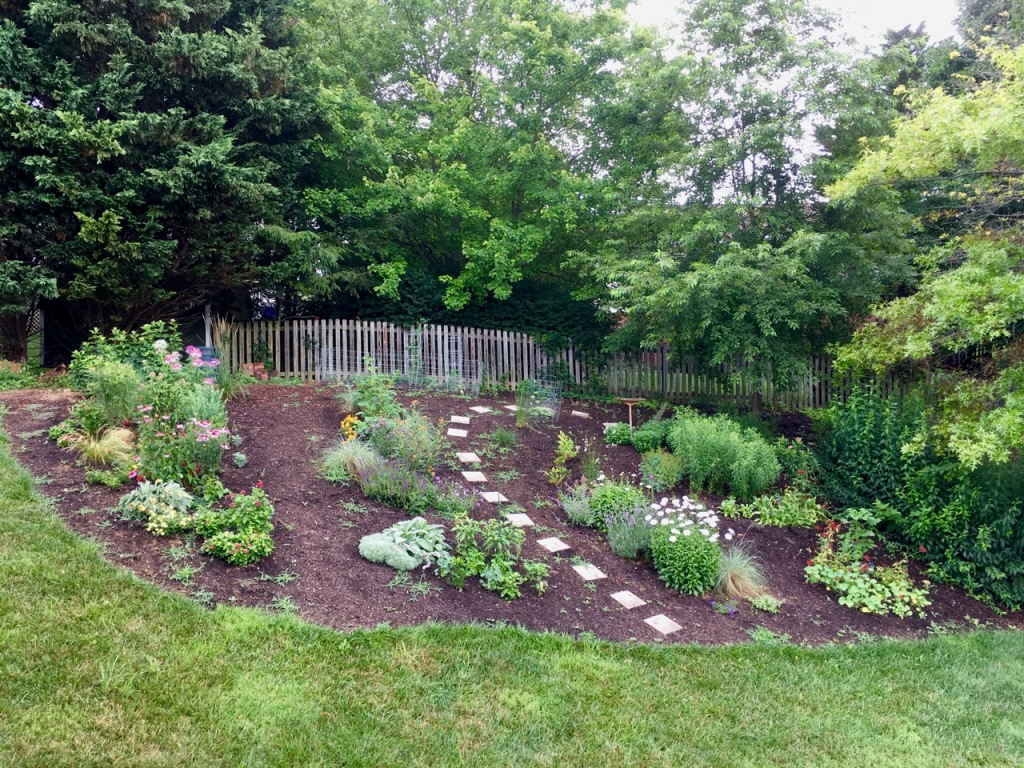
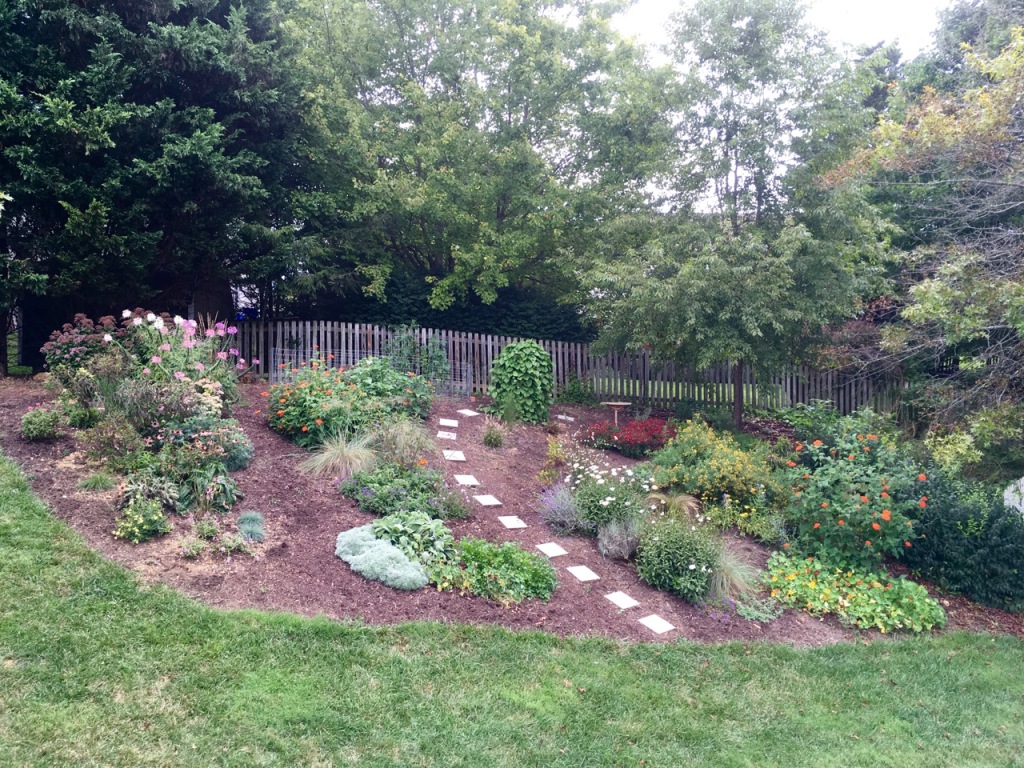
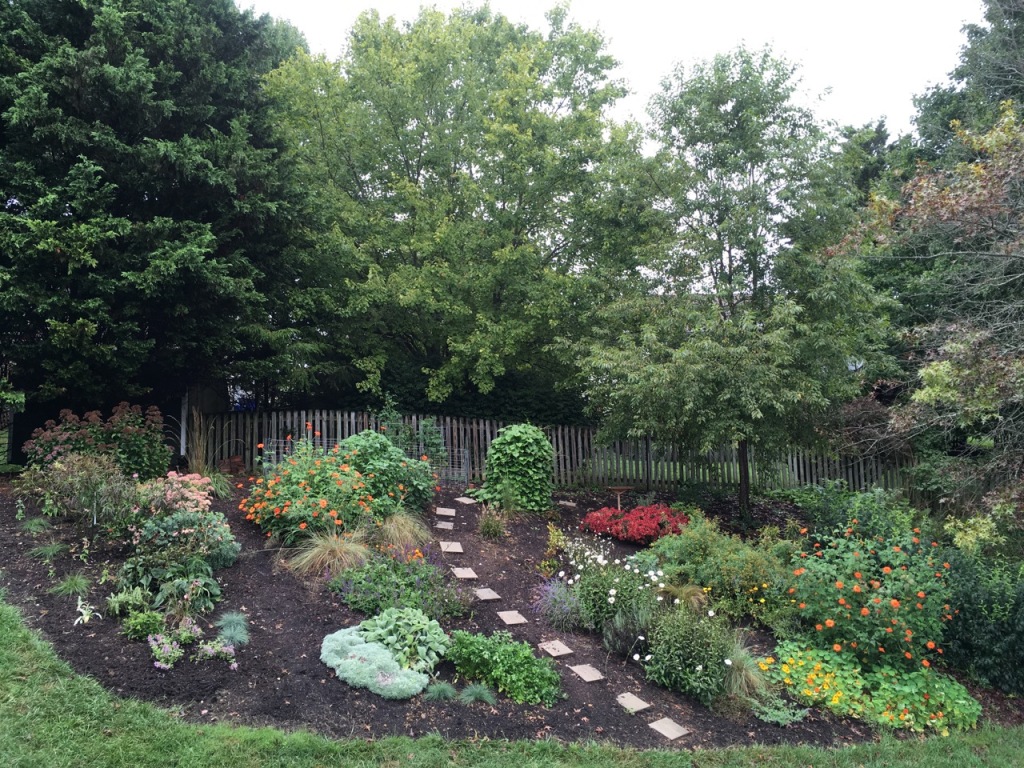
Front bed
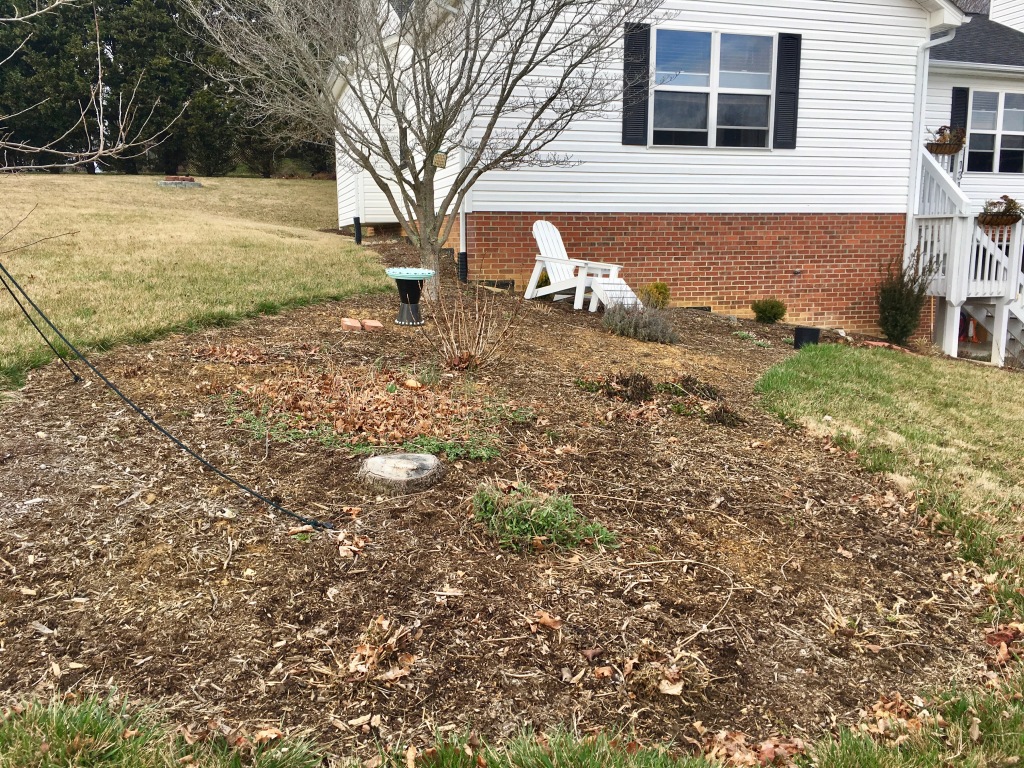
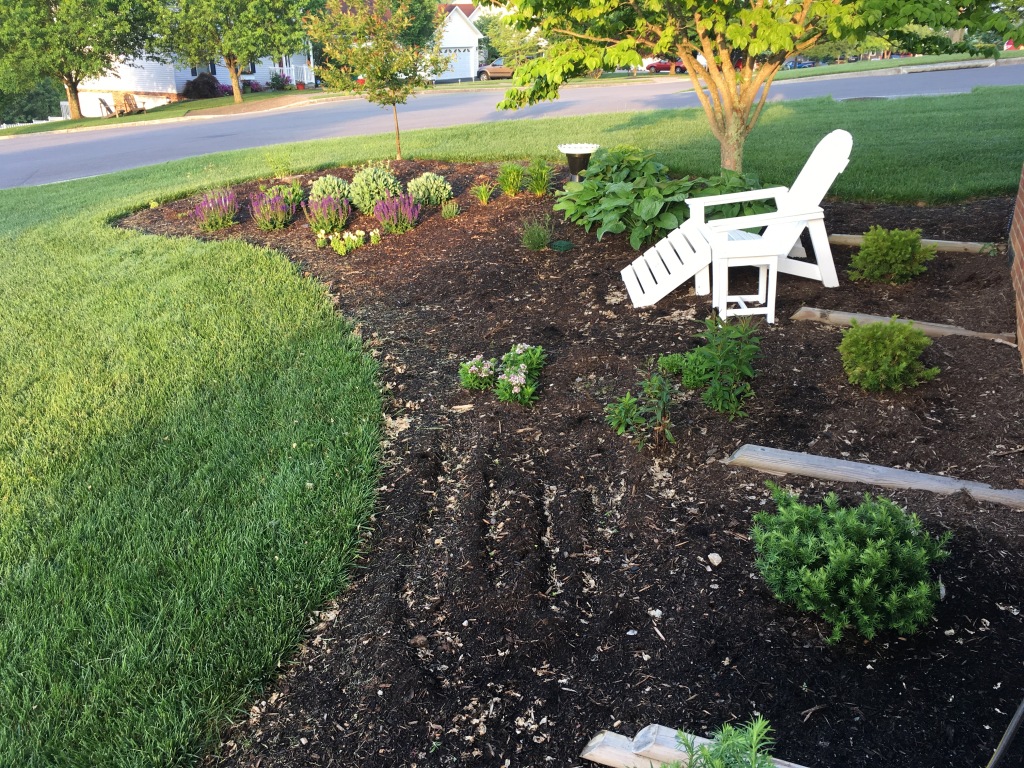
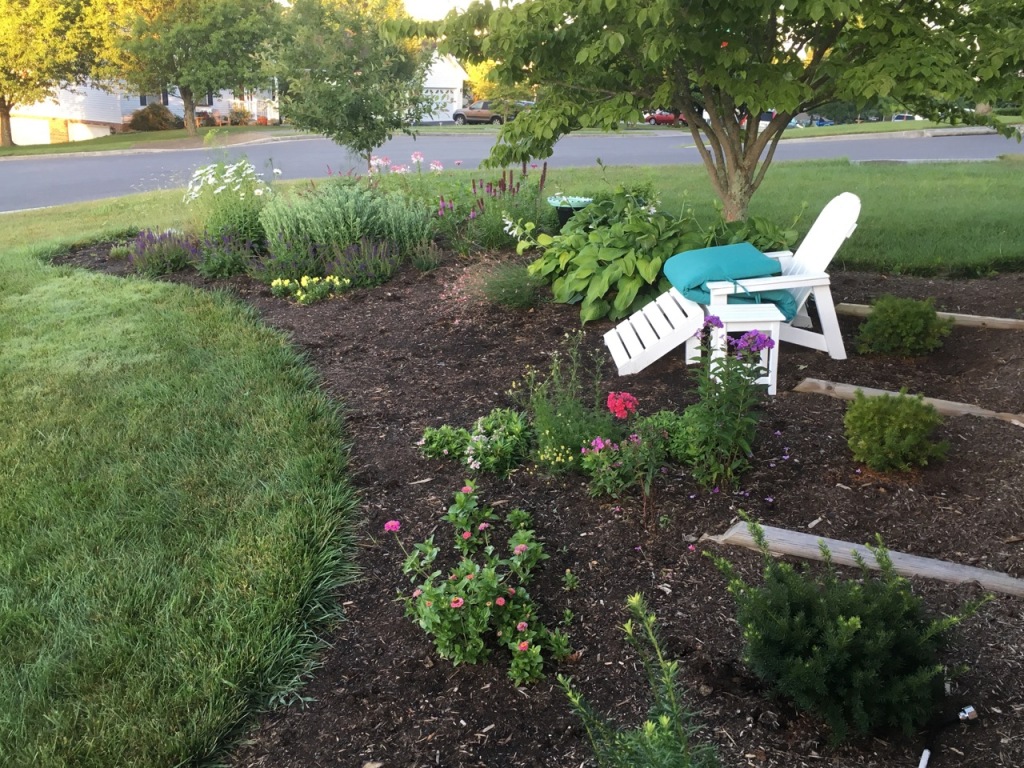
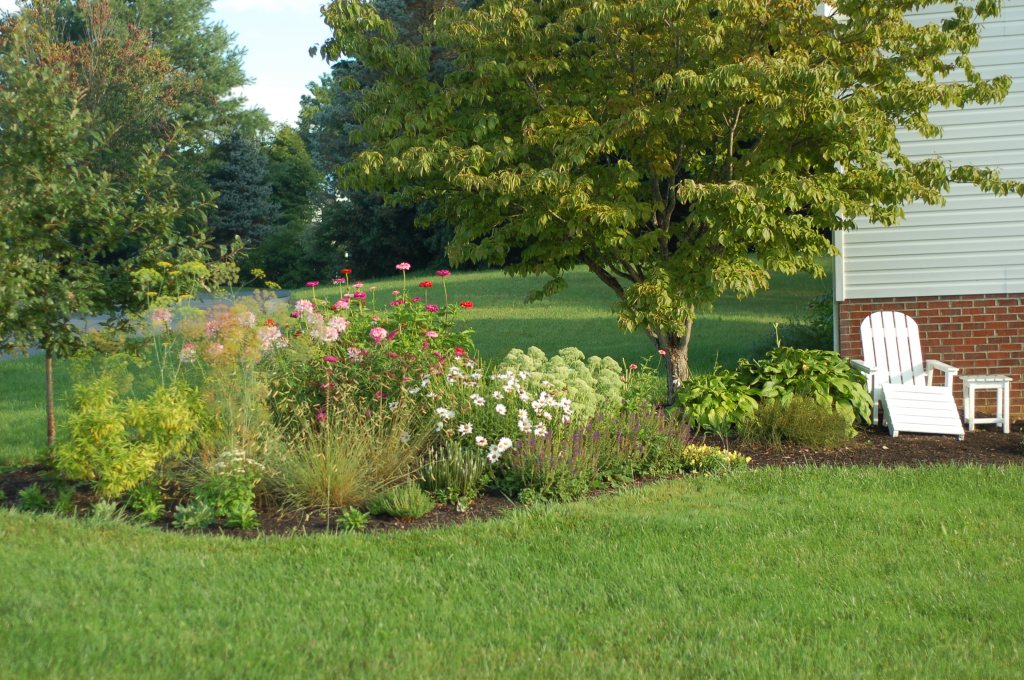
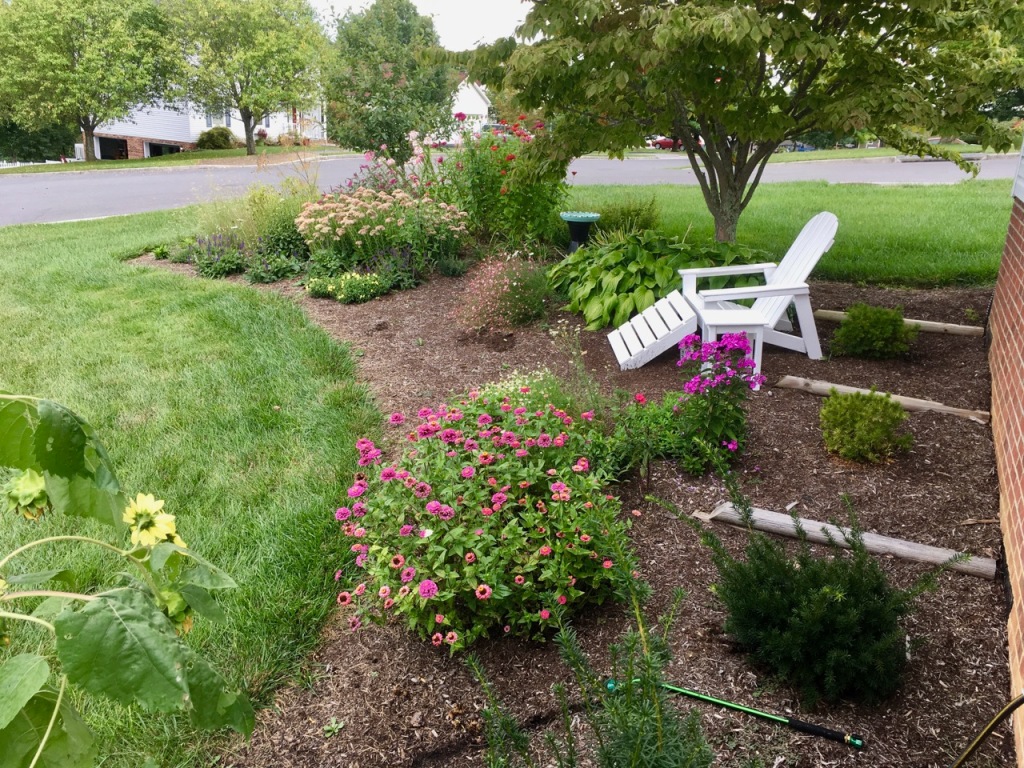
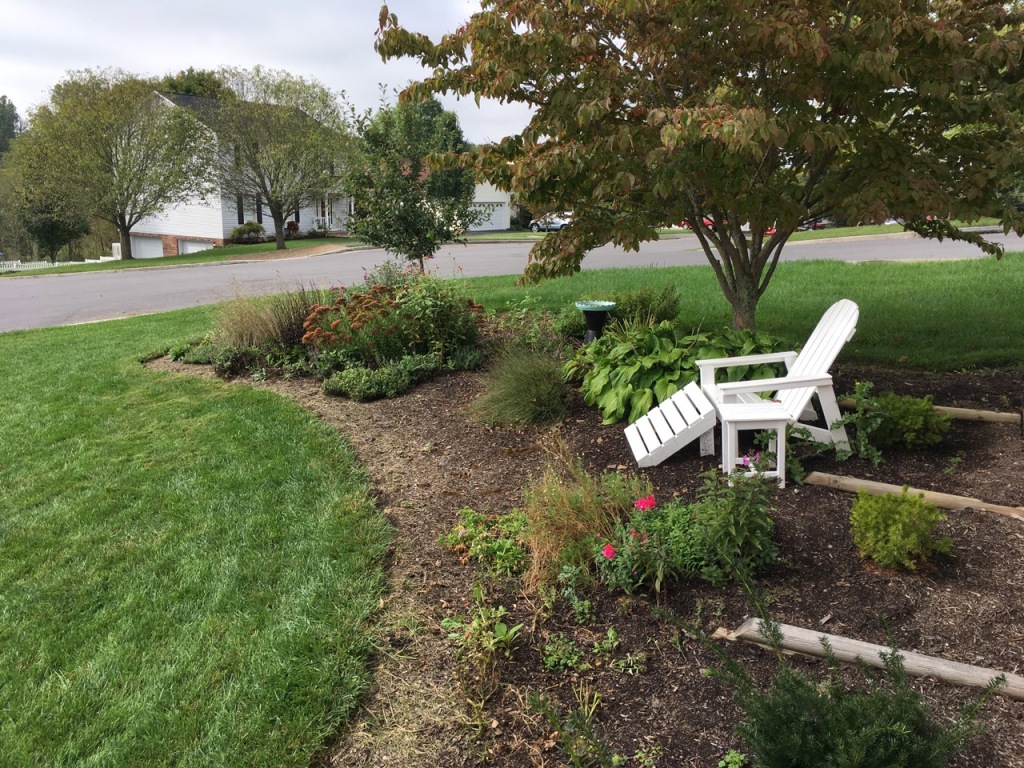
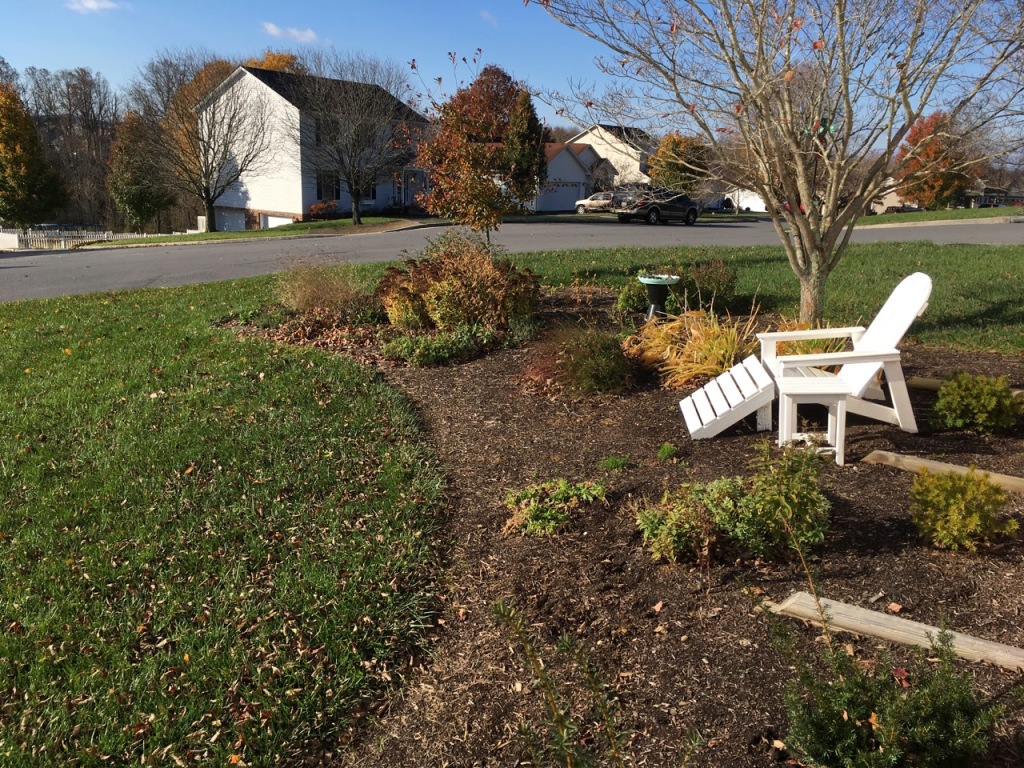
Now I can study these photos all winter to see where I want to change things. I’ve already got a seed catalog stashed away for a snowy day.
The garden is is peak bloom right now. Pollinators buzz busily, and the bigger butterflies are starting to find their way to the flowers I planted for them.
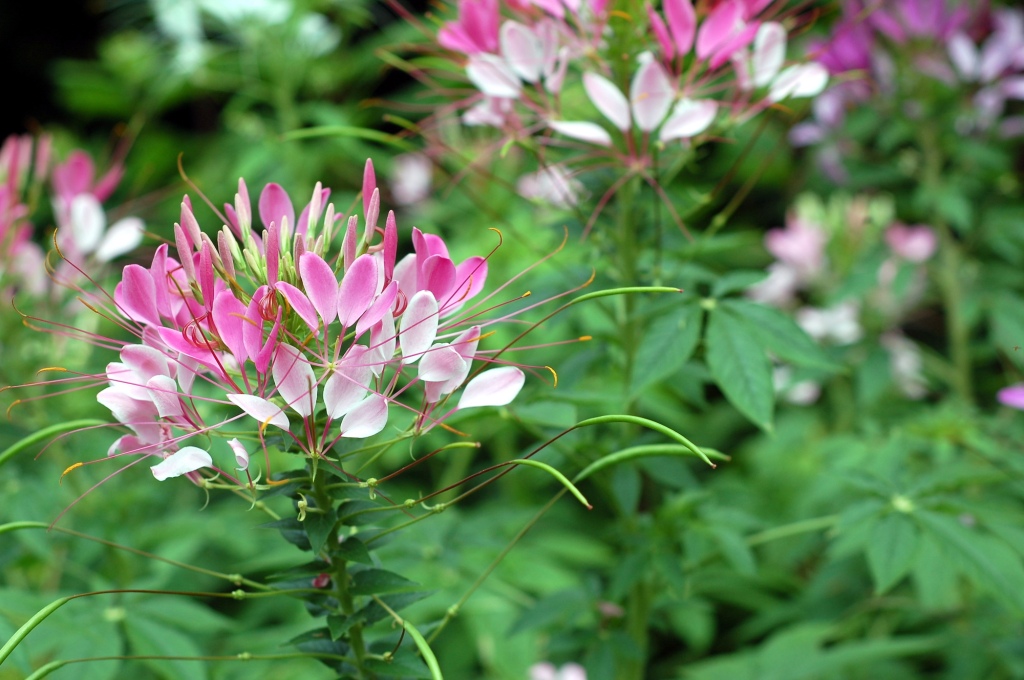
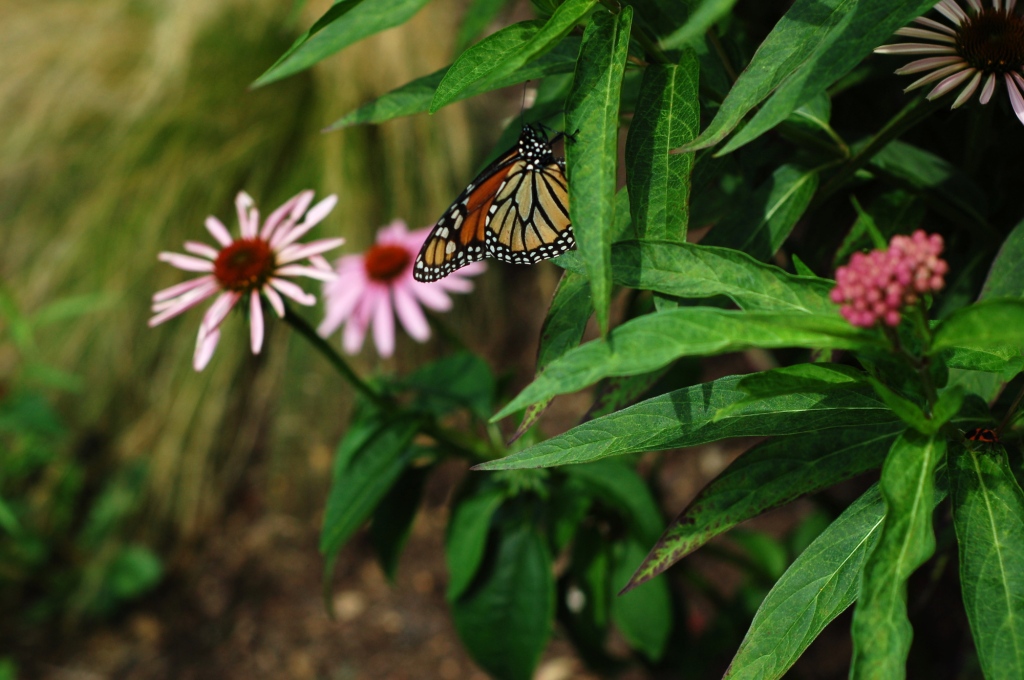


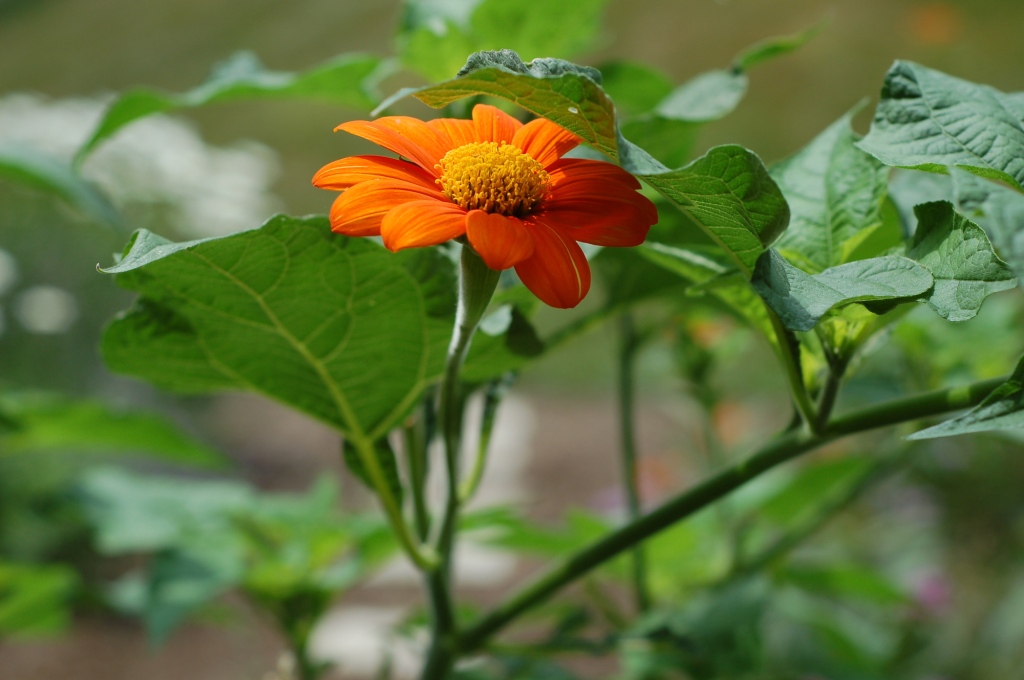
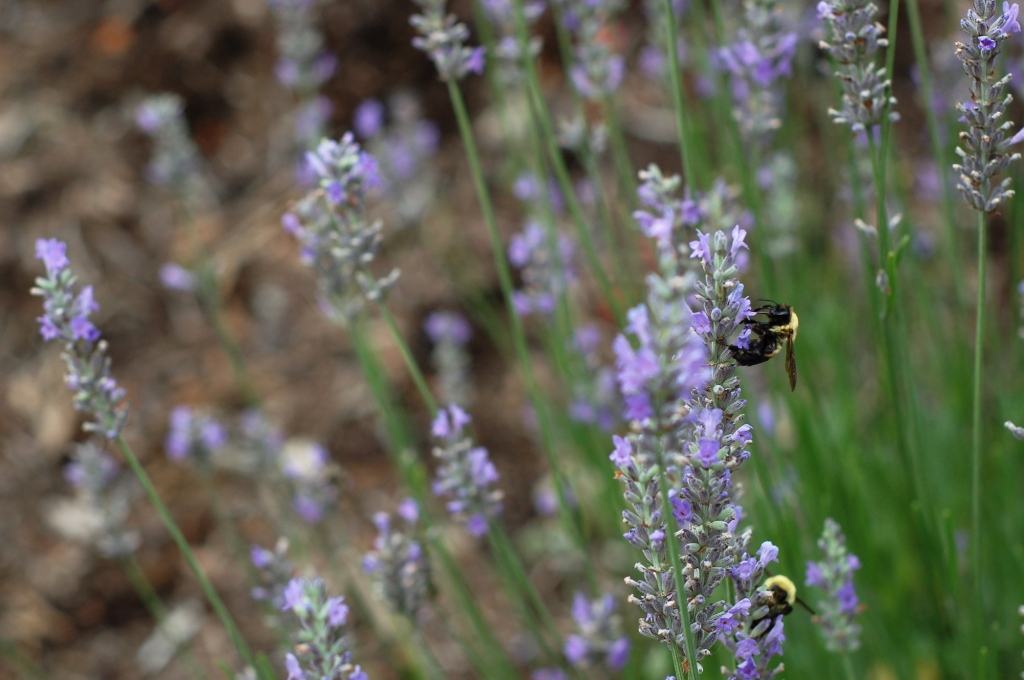

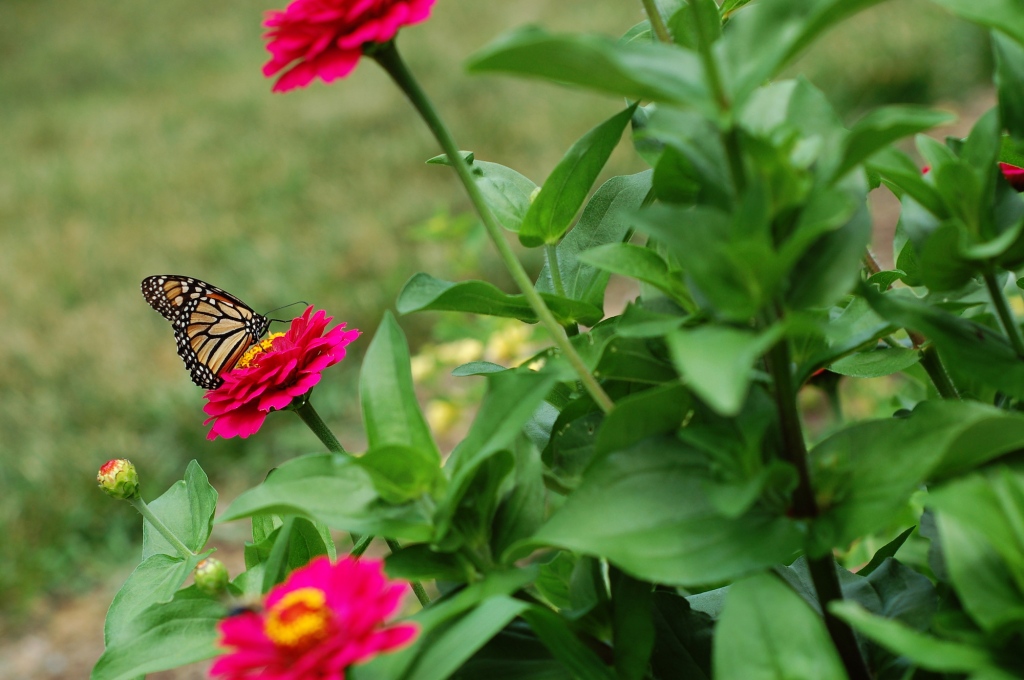
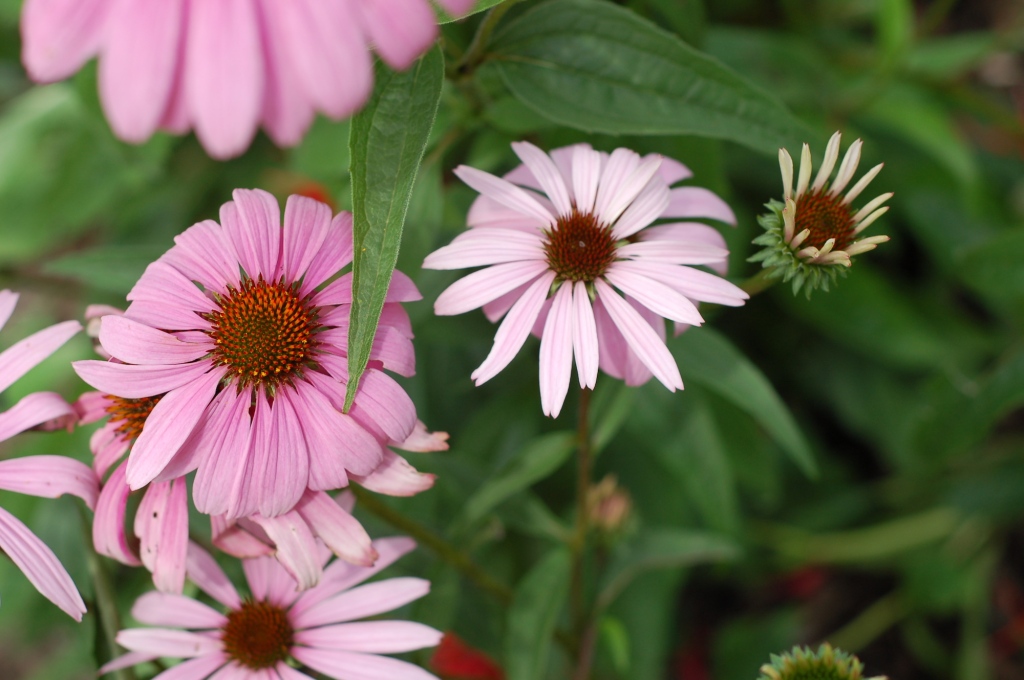
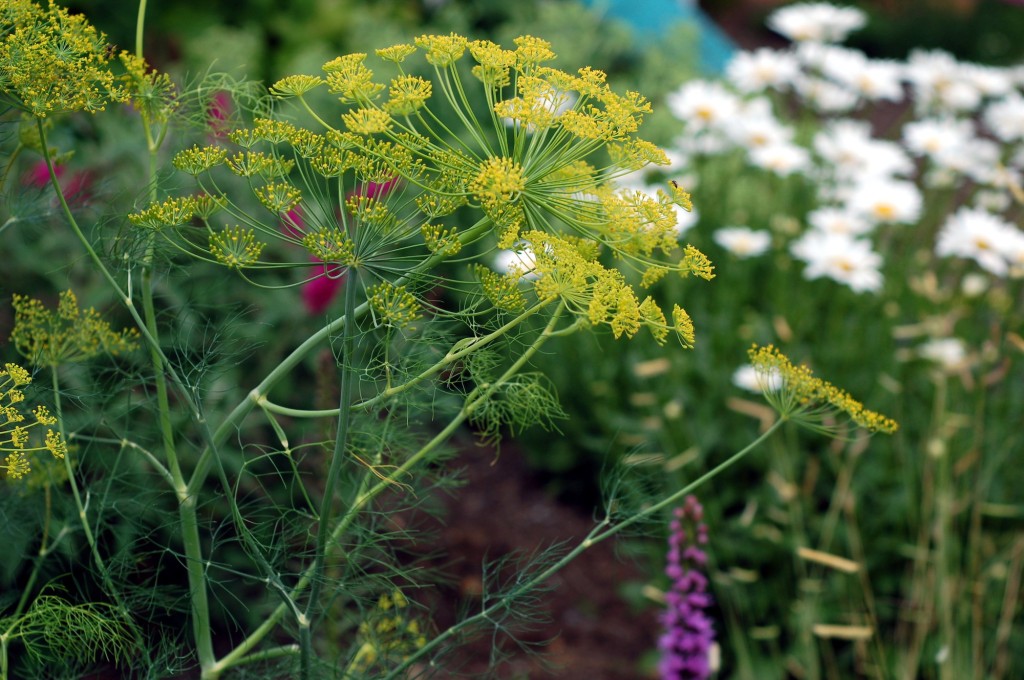
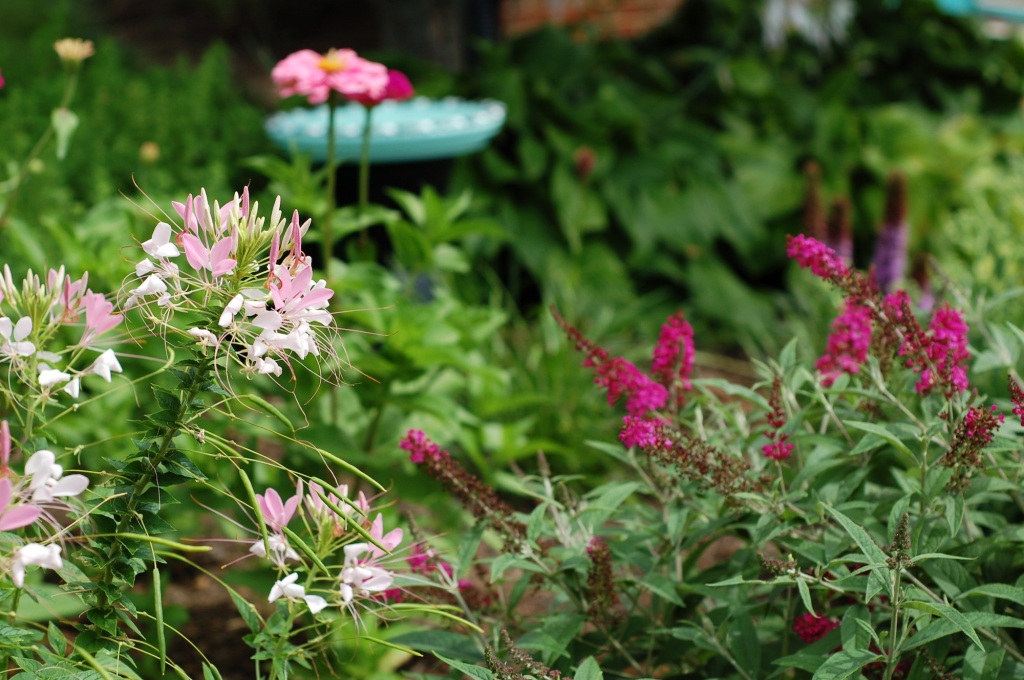
These are mostly just the close-ups. I published more photos on Andrea’s Gardening Blog if you like photographs of gardens and flowers.
What better way is there to reflect than to go on a hike? The day after Expo ended, Support Driven organizer Scott Tran and I wandered the Portland International Rose Test Garden while we thought about what went well at the conference and what we will need to improve on next year.
What a treat! June is peak rose season in Portland. We were surrounded by hundreds of rose bushes, row upon row down the slope of a hill. Every bush was drenched in blossoms, in white, yellow, peach, orange, red, pink, lavender. The only color not represented was blue, and the blue Hydrangeas made up for that.
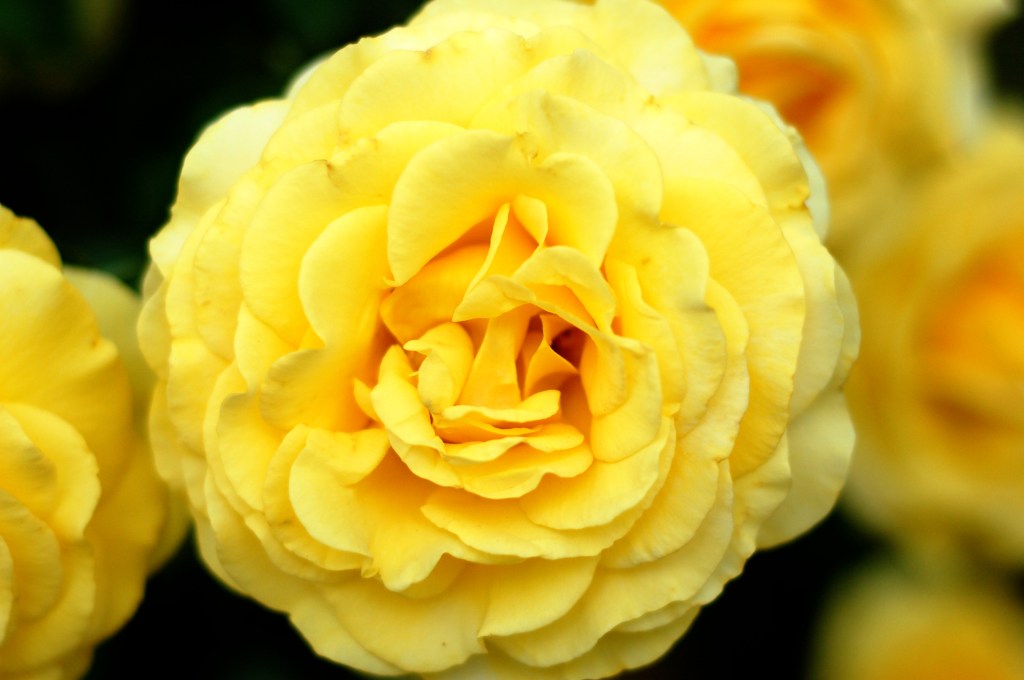
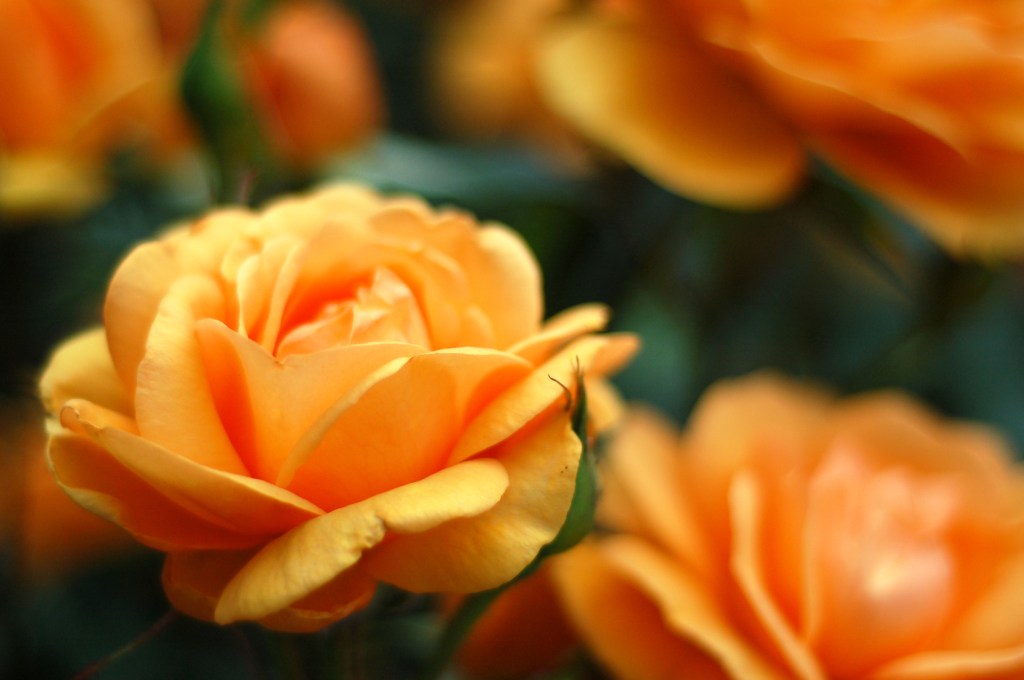
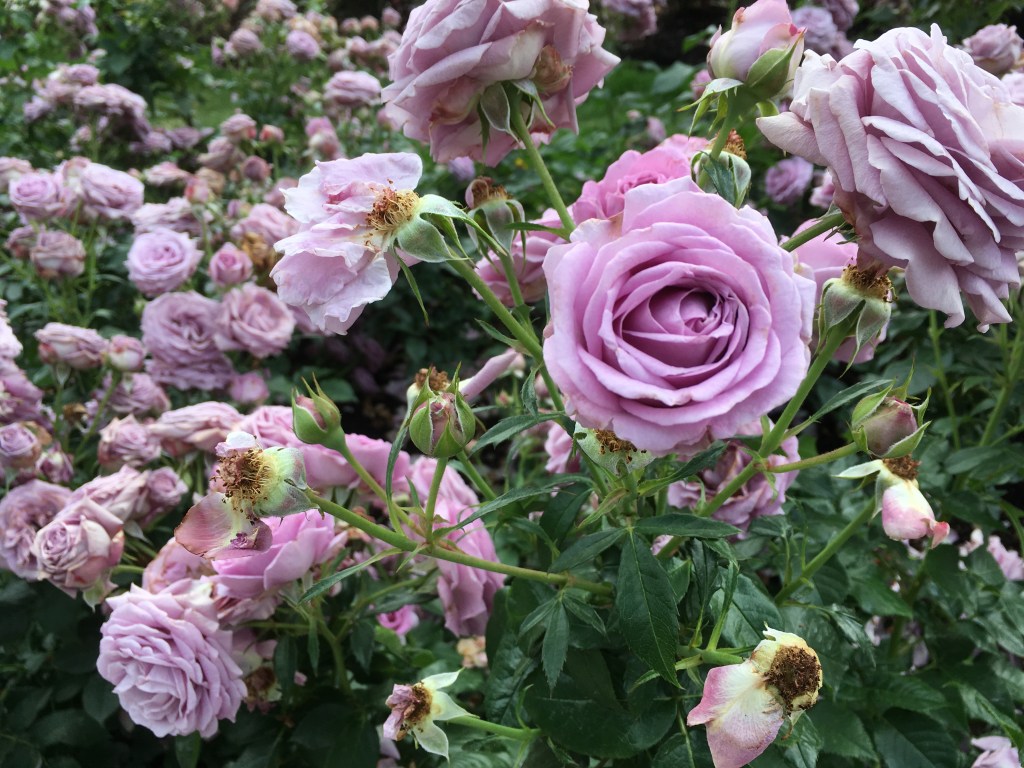
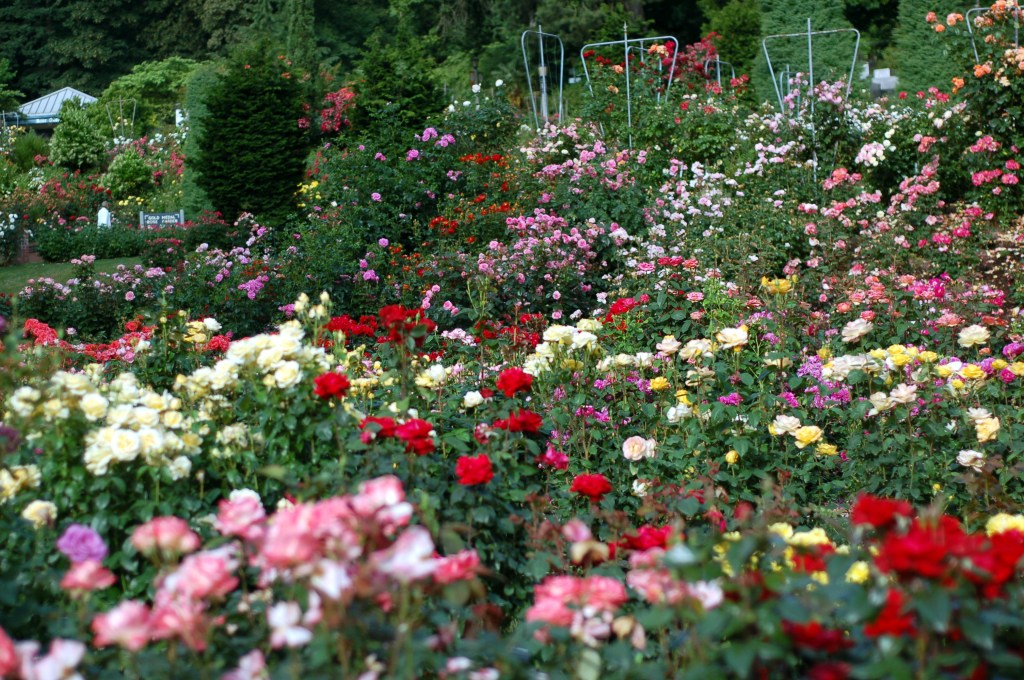
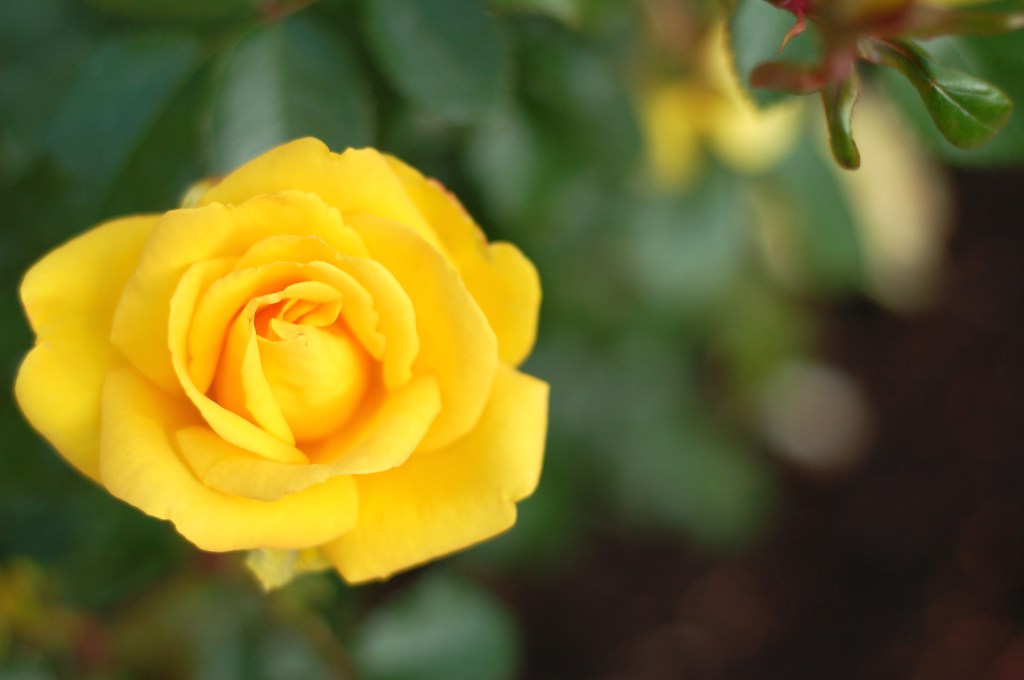


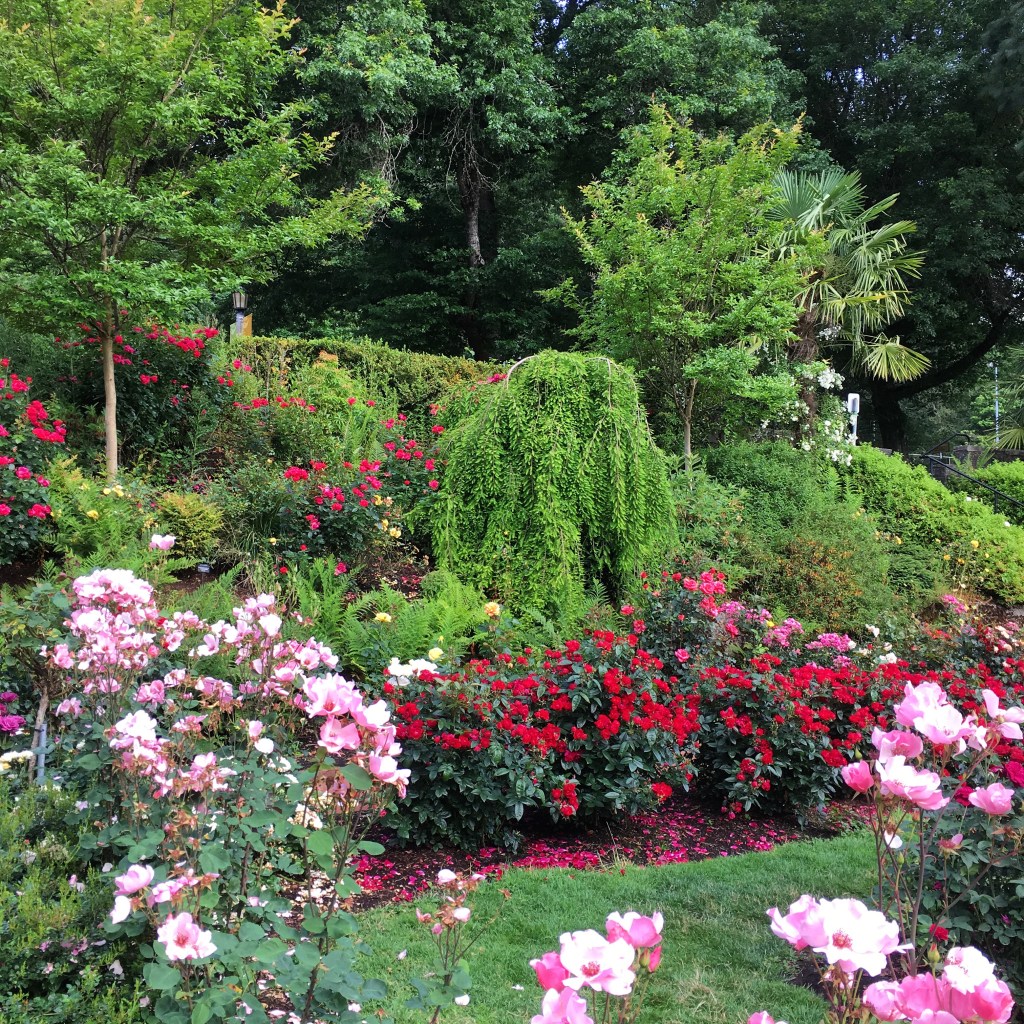


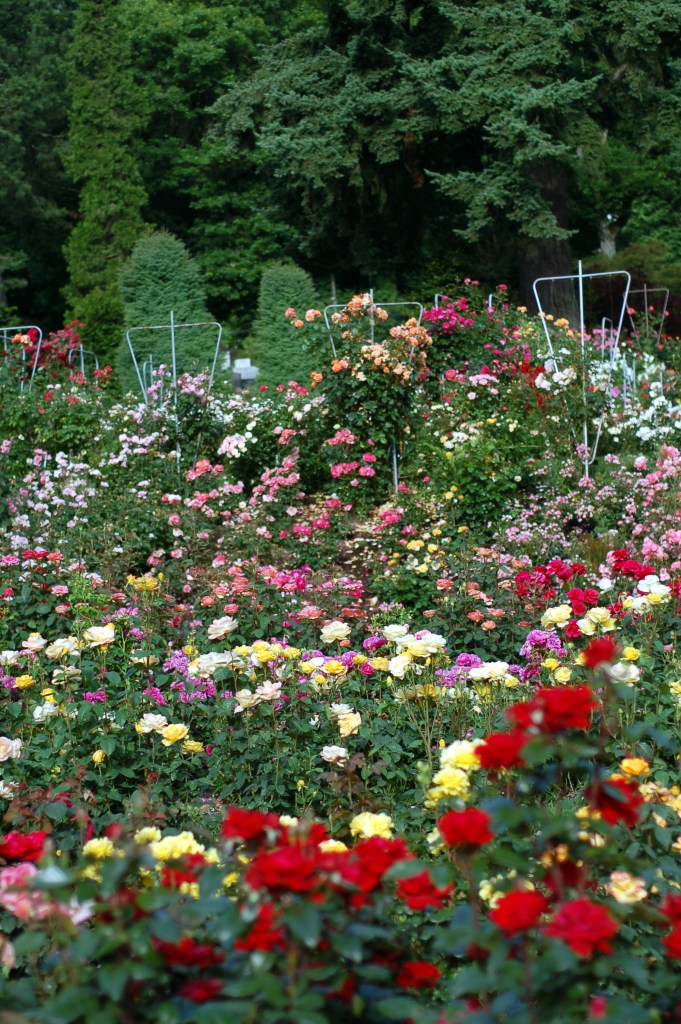

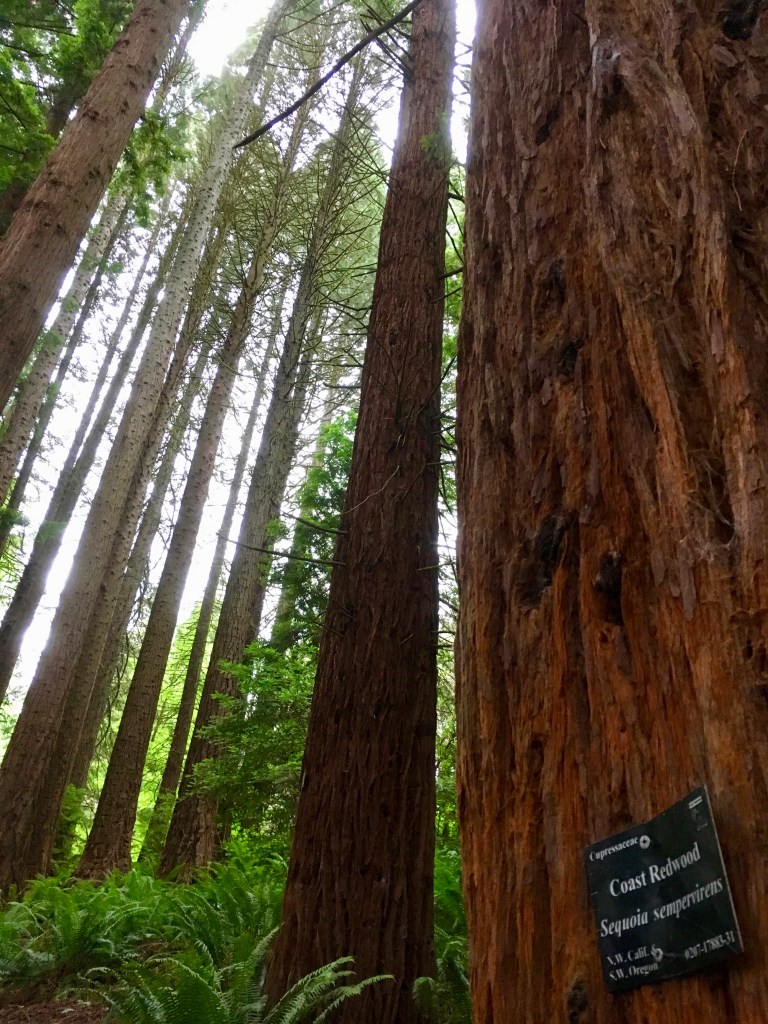
After reflecting quietly among the roses, we hiked through Washington Park to talk and plan. I had no idea there were even more treats in store. I’ve always wanted to go to northern California to see the redwoods, and it turns out there are redwoods right there in Portland. We hiked through a grove of them, and I was awed. I wish our son could have been with me to see them. He loves rain and trees. He’d fit right in in Portland.

Recipe (my first cocktail creation!)
1/2 lemon, squeezed, then cut into quarters
Leaves from 2 sprigs lemon balm
3/4 oz honey syrup*
2 1/2 oz gin
Squeeze 1/2 lemon into cocktail shaker. Cut the remaining lemon rind in quarters and drop them into cocktail shaker. Add lemon balm leaves and honey syrup. Muddle until the oils from the lemon and balm are good and distributed. Add gin, then ice. Shake vigorously until very cold. Strain into chilled martini glass.
*To make honey syrup, combine equal parts honey and water in a sauce pan (1/2 cup honey 1/2 cup water). Warm and stir until honey dissolves, then cool. Store in refrigerator.
When I purchased our jug of Tanqueray at the liquor store the other day, the woman at the cash register said, “Oh, gin! What do you use gin for?”
And I thought, “Everything?”
“Martinis,” is what I blurted out. “Really cold. With big fat olives.”
Her coworker stopped what he was doing, ready to share in the joys of gin. “With just a hint of dry vermouth,” he said. I nodded.
“Tom Collins,” he continued.
“Gin sling,” I said.
And that honey grapefruit Gin Gila recipe from the Beach House album, or the Cucumber Gin Gimlet recipe from the Tennis album, both from Vinyl Me Please. Or my favorite cocktail when we eat out on summer nights, something with gin and honey and lavender, usually with “Bee” in the name.
In July, when the herb garden is out of control, the basil gin smash.
“What about appletinis? Are those gin?” the cashier asked.
I looked at her coworker. “No,” we said together.
A few days later, I was walking the garden, as I do multiple times per day. The lemon balm is flourishing, and lemon balm is one of my favorite scents on earth. I just want to bury my face in it.
I wondered, can I make a cocktail out of this? Maybe a variation on the basil gin smash? And with honey?
So I tried it tonight. It was my first attempt at creating a cocktail recipe. And omg, y’all, it was delicious. I’m not sure how much of it was the lemon balm, and how much of it was just the combination of lemon and honey, but I don’t really care. Whatever it was, it worked. It went down way too easily. I have to actively stop myself from having another.
Thanks to conversations at work today, I have a lot more lemon balm experiments to try. Some with gin, some with bourbon.
Summer is the best season. Especially when you have a garden full of herbs and flowers for cocktails.
A friend asked recently what it is about gardening that I love so much, and with such intensity. What is so compelling? What do I get out of it?
When we moved into our house, it was surrounded by nothing but mowed grass. A vast expanse of green blades, all the same height, all the same color. No flowers. No birds. No butterflies. It was uninteresting. When I’d go out on our back deck, there was nothing to watch except the clouds. Though the grass itself was living, the landscape didn’t feel alive.
What I love with intensity is life. Life is miraculous to me. I grew two human beings in my body who are now teenagers. Fifteen years ago they didn’t exist. They were nothing. Now, they walk and run and talk and laugh, they think, they create, they have ideas. They’re baking cakes and learning Spanish and riding bikes and swimming 3 miles a day. That’s amazing! It blows my mind.
What I love with intensity is beauty. When I look at a flower — the arrangement of petals, the colors, the shape of the flower to attract the right pollinators — I could get lost in it. When I look at a garden, or when I work in the garden, I do get lost in it. Digging a hole for a plant unearths a worm, which makes me think of the subterranean world, and all the underground activity happening to create the soil for my flowers. Filling in the hole, and knowing the soil is loose now, makes me think about the robin that will soon be along to take advantage of that loose earth to find the worm. And then I’ll think about how funny robins are, hopping around in the garden, with worms wiggling in their beaks. The next thing I know I’ve been in the garden digging holes for 4 hours.
That’s beautiful to me. The beauty of the connectedness of all life. That’s not the beauty I was originally talking about, though. I was really just talking about superficial beauty, of different flower colors, petal shapes, leaf shapes, leaf colors. The beauty of the curved contours of the flower bed, of the Chartreuse green of spring, of the red of the male cardinal, the yellow of the goldfinch, the deep blue of the indigo bunting, the black and white check of the woodpecker.
Which brings me to what is most compelling to me about gardening, and about why I continue to replace lawn with flower beds: I love with intensity is how diverse life is. An expanse of bright green, freshly mowed grass bores me if that’s the only thing there. An expanse of bright green, freshly mowed grass is lovely when it provides a clean backdrop for pink roses, purple Salvia, magenta butterfly bush, yellow sunflowers.
Those plants, when they’re growing in the spring, provide daily absorption for me: how much did they grow? How many leaves do they have? Are there any flower buds yet? I walk the garden every day inspecting for all of those things. When they start flowering, the insects come: fat fuzzy bumblebees; yellow, orange, white, and blue butterflies; honeybees and moths; caterpillars and ladybugs, aphids and aphid-eaters. And the hummingbirds! I’ve already seen a hummingbird this year. All those insects attract birds, and when the flowers go to seed, even more birds come. My favorites are the goldfinches that sit atop the dried seed heads of purple coneflowers in late summer. The long stems nod under the goldfinches weight, but remain upright.
What I get out of my garden is that it invites diversity to come back. It creates a space where I can continually be struck by the wonder and connectedness of life on earth. Not only did life once not exist at all on this planet, but it didn’t exist, and then it did, and then it turned into millions of species who are dependent on one another for survival.
I didn’t think about that or experience it on a daily basis when our lawn was just lawn. Now, as I sit and write this, I look at the pansies in our flower boxes and wonder at the arrangement of the petals, and what advantage that might create for the continued survival of that species. I think about the curly leaves of the purple kale and marvel at their water-funneling capability. I hear the calls of multiple bird species. I see bees buzzing. I eagerly await the warmth of the day, when the butterflies start arriving.
This is my entry for the Core prompt.
 Butterfly Mind