March through June are full of green growth, spring flowers, cloudy days mixed with fair ones, and rain. July 1, the faucet turns off and the sun turns on. Summer flowers begin to bloom. In early July in our corner of Virginia, many of the butterfly attractors begin to open up, and host plants have enough leaves and fresh greenery for butterflies to feel confident their baby caterpillars will have something to eat.
Because of the lack of rain, July also means fewer clouds and a more assertive sun. The lawn has already lost its lush green of spring, and by the end of the month, many of the flowers that are peaking now will turn crispy. I took some photos yesterday to catch them before they turn.
The butterflies aren’t here yet, but they will be soon. Around 6pm yesterday, after I’d put the camera away, a monarch flitted around the front beds for at least half an hour. I never did see it land for a drink, but there are tasty treats here: it will come back.
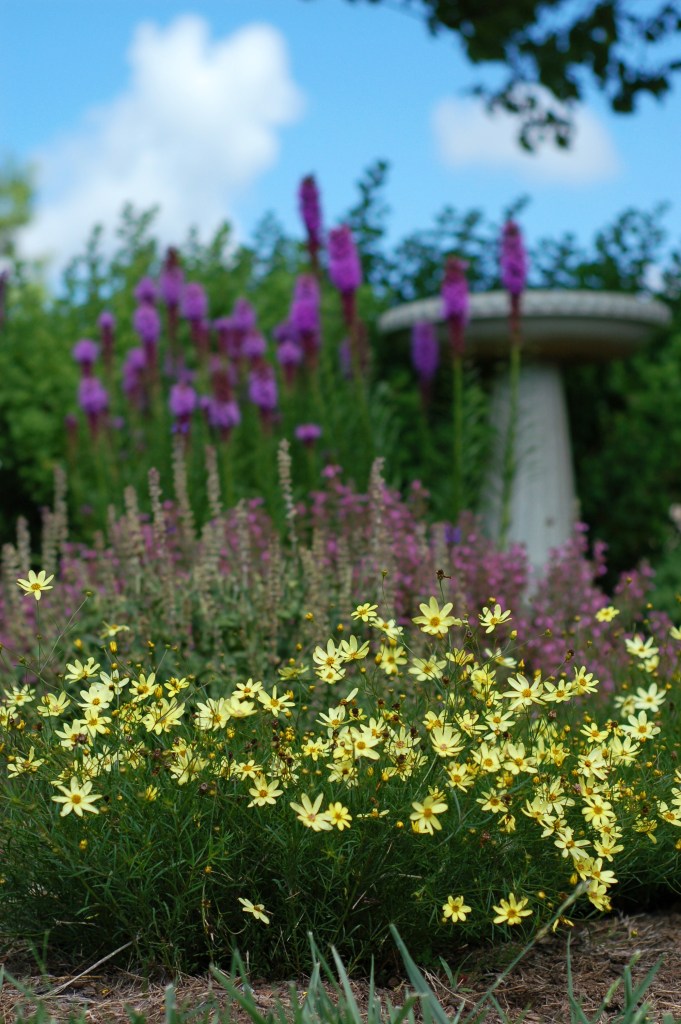
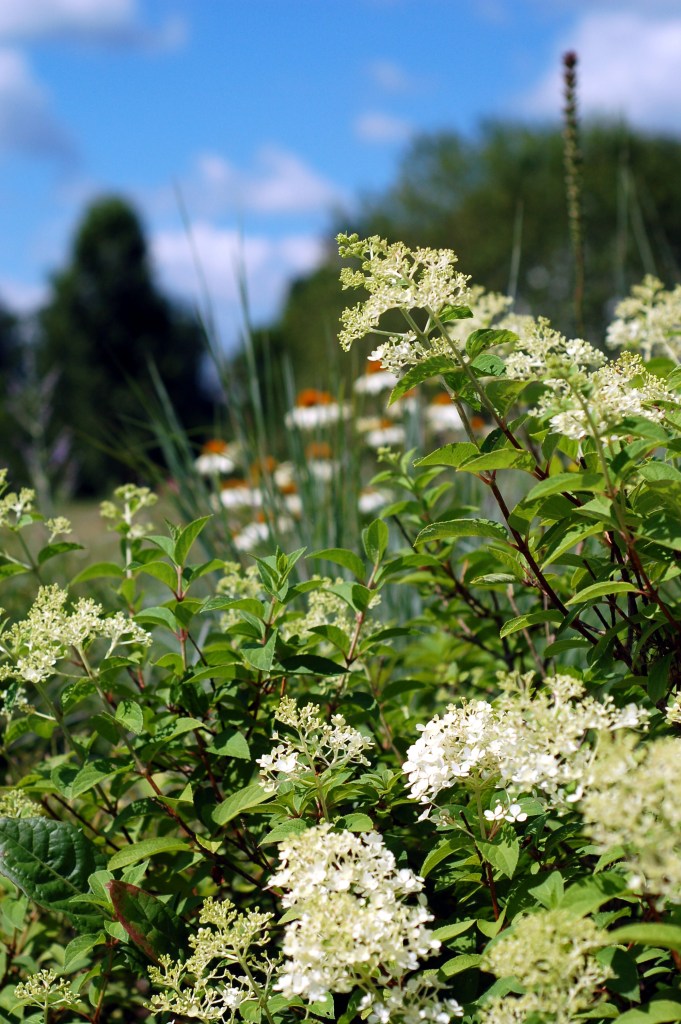
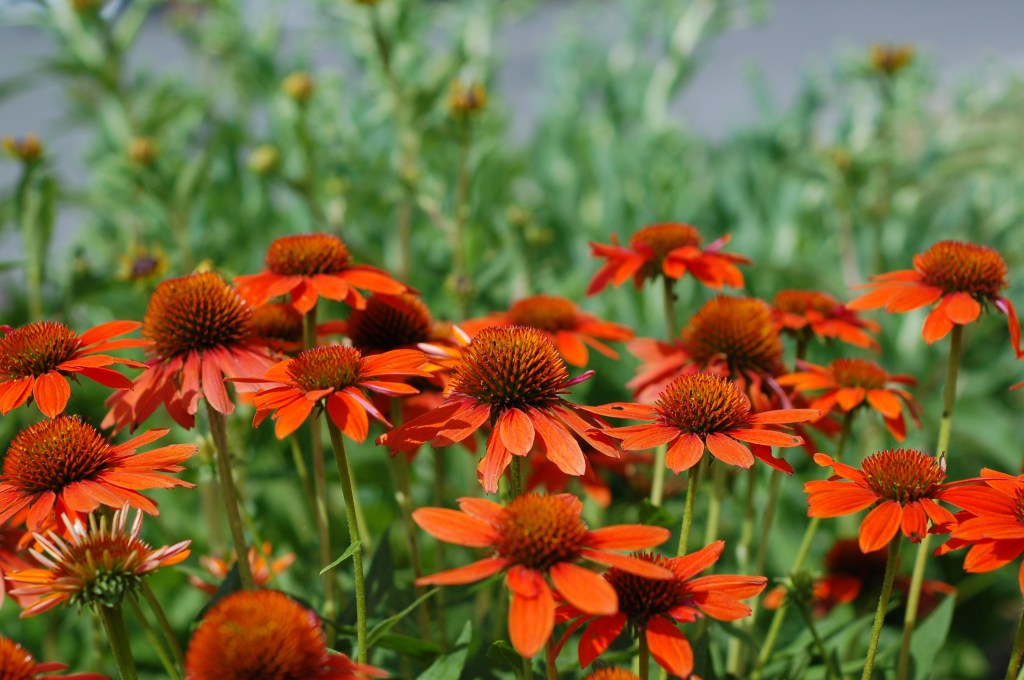
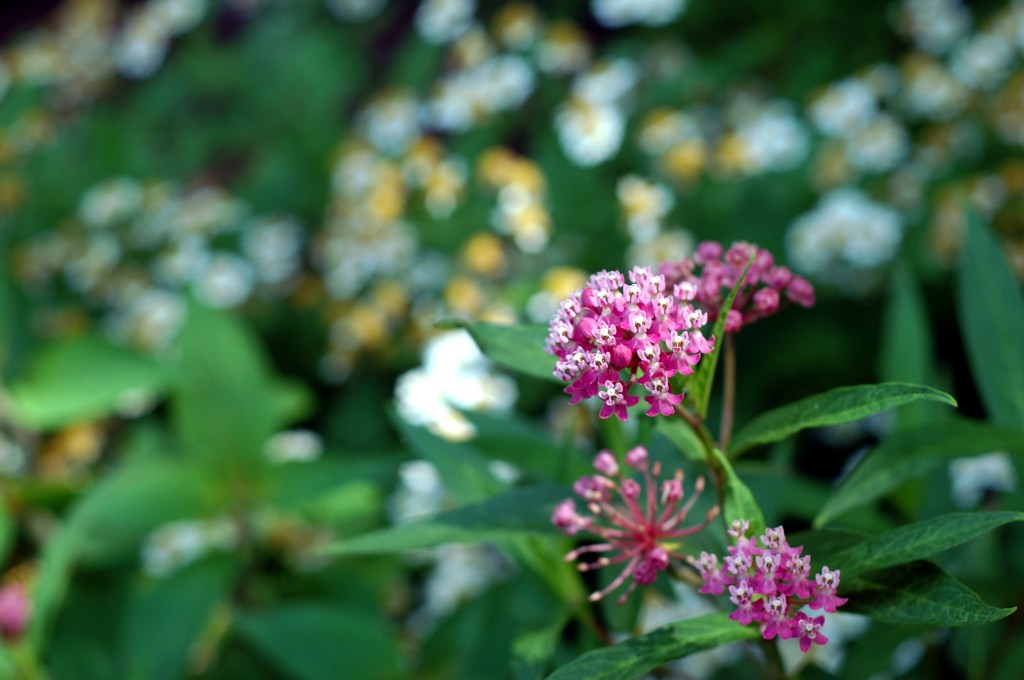
Lavender: bees love it.White coneflowersMy perch: lavender where I can smell it, and nectar plants where I can watch for butterflies (there’s also a swamp milkweed as a host plant for monarchs)Black eyed Susans starting to flowerOrange coneflowers
Back beds
The back beds include nectar plants along with host plants like rue, spicebush, dill, and milkweed.
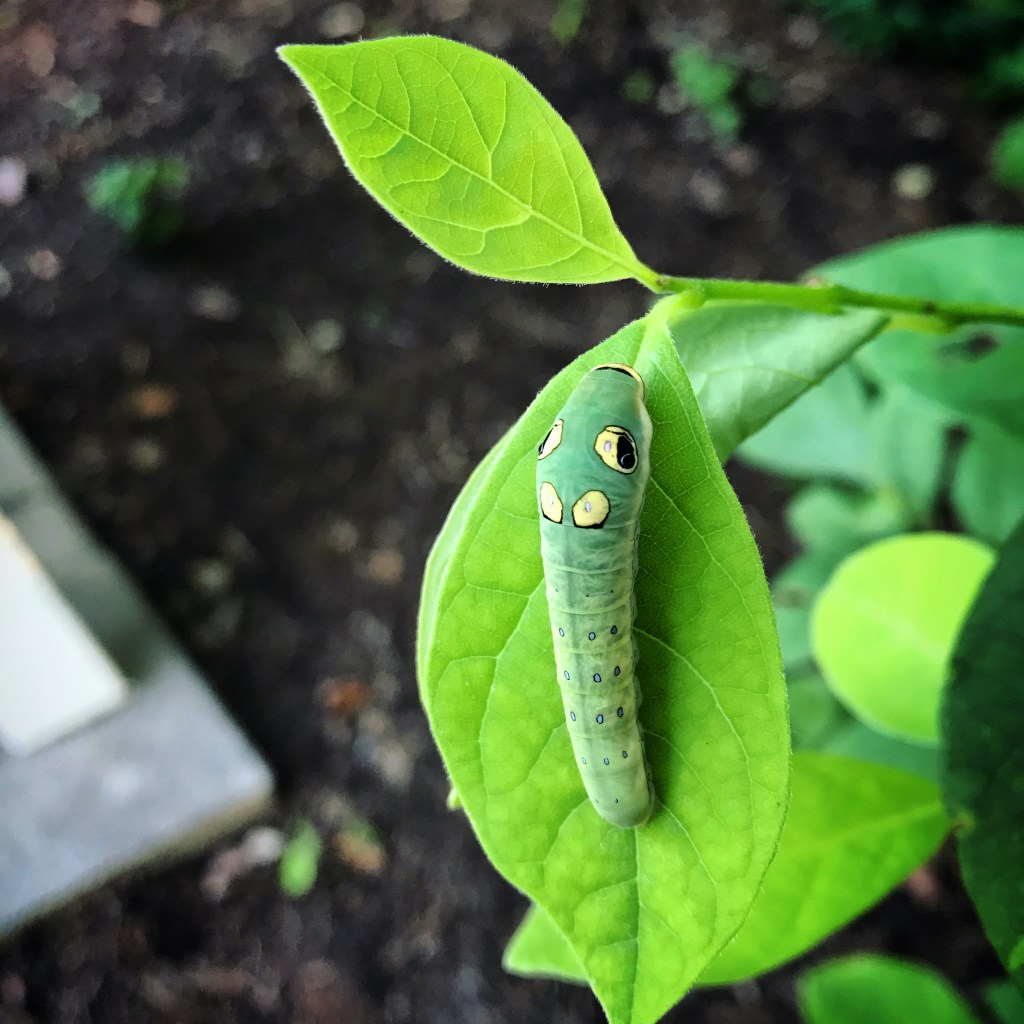
Milkweed flowersAgastache (foreground), with verbena, bee balm, and dill in the backgroundSpicebush swallowtail caterpillar
Bee balm and dill (hummingbirds love the bee balm; dill is a host plant for swallowtails)
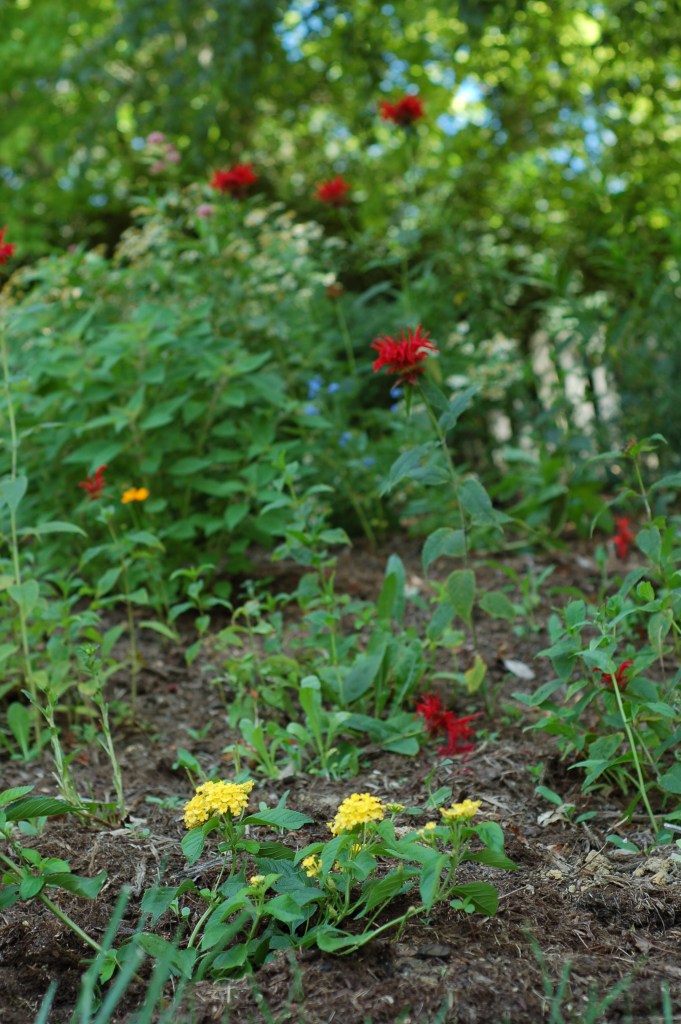
Lantana and bee balm pop here, but this is also where all the milkweeds are (not shown; milkweed is host plant for monarch caterpillars)
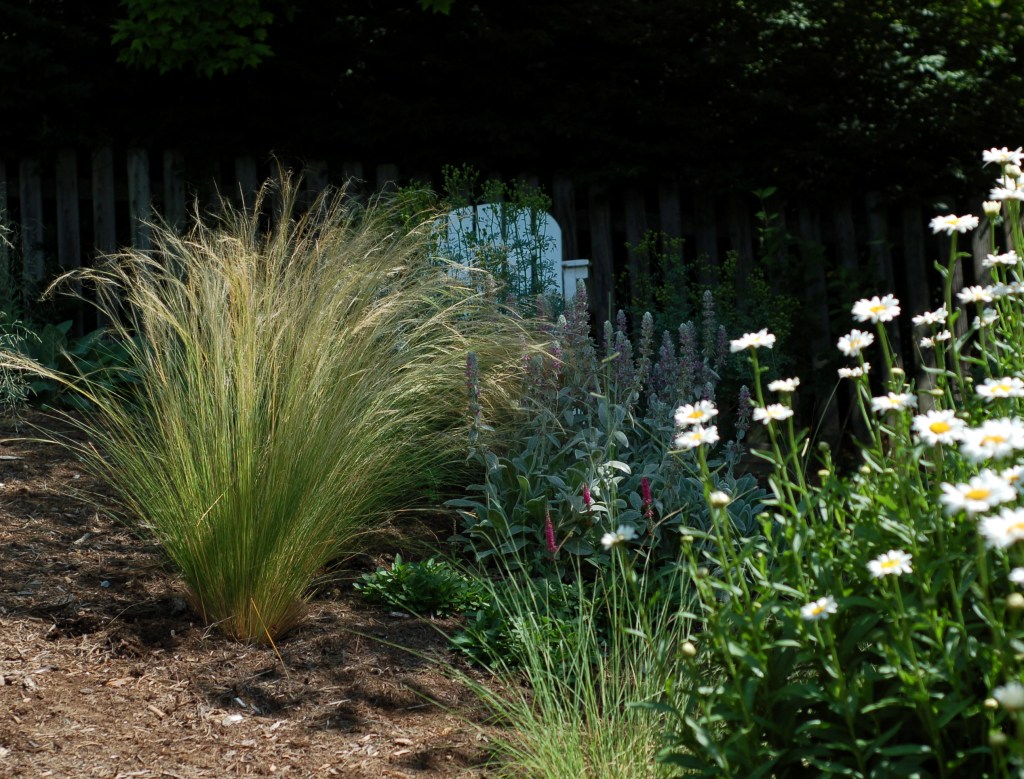
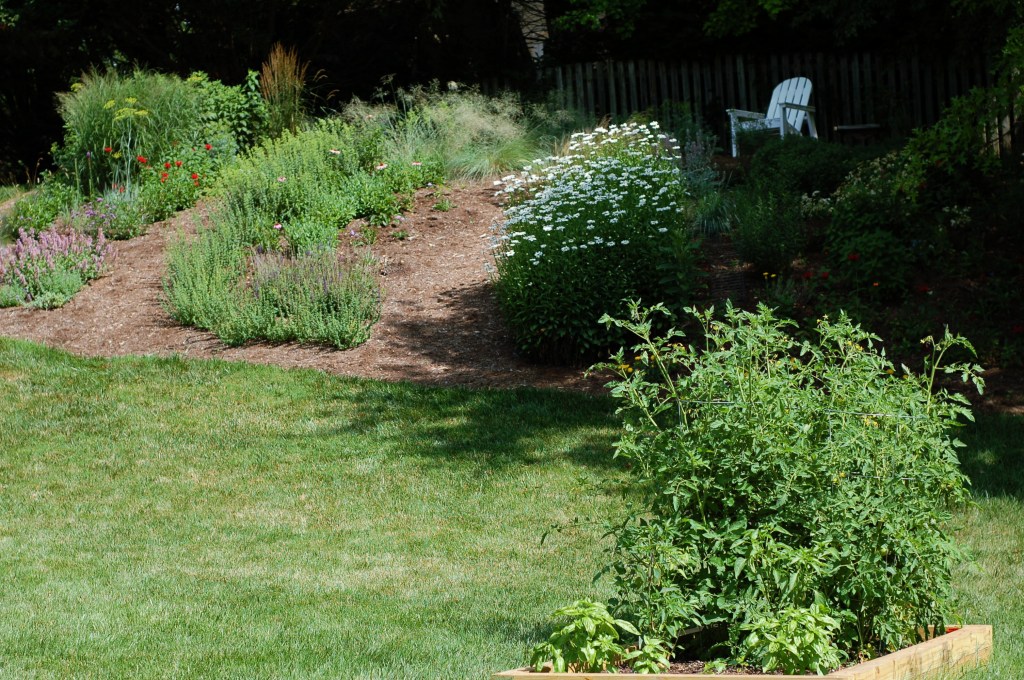
Mexican feather grass (left): my favorite ♥️. The rue is behind the feather grass; rue is a host plant for swallowtail caterpillarsTomatoes and basil thrive in the raised bedEchinacea, marjoram, dill (background)View from hammockMy feather grass again 😍
I’ve spent the past five days in the open air. I am on my annual garden vacation. Instead of listening to news of the coronavirus, I’ve been outside in garden gloves and hat.
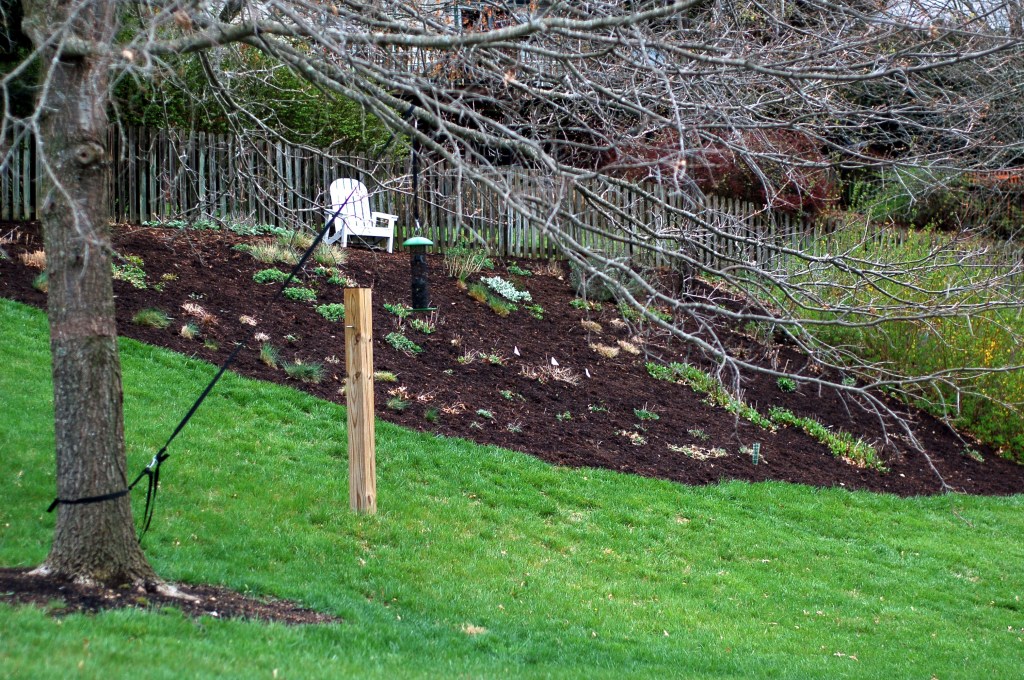
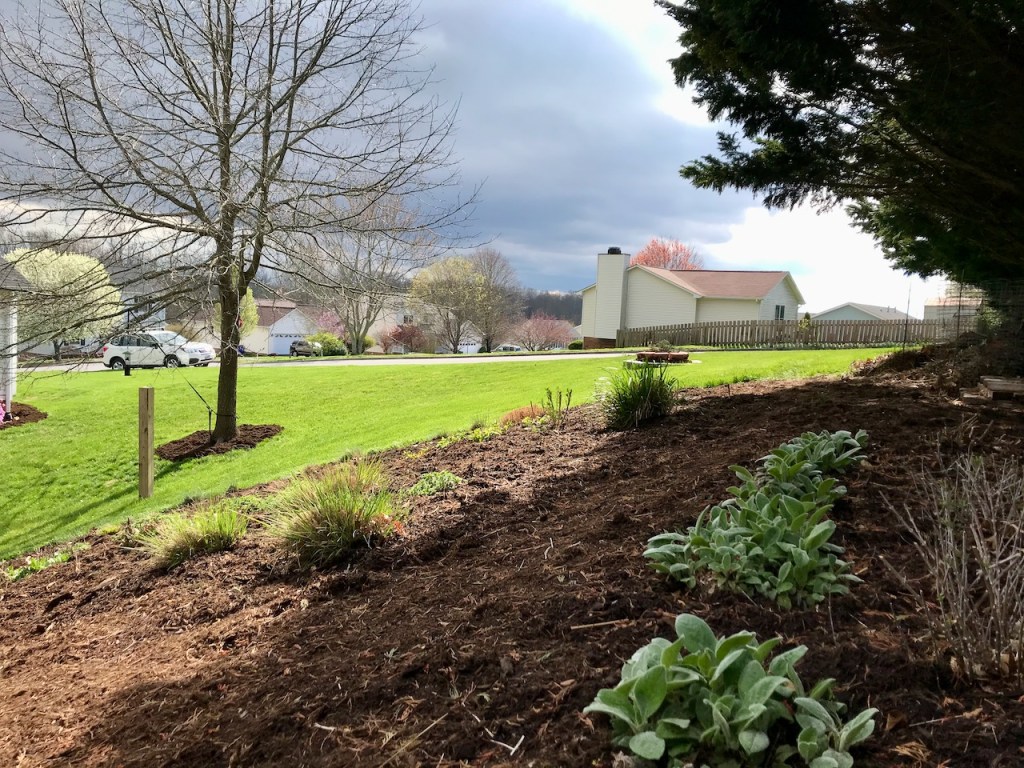
Over the past five years we’ve lived in our house, I’ve killed a lot of grass to create flower beds for butterflies. I’ve accumulated perennials over those years as well. In March, instead of the beds being barren and brown like they were when I first created them, green leaves and shoots emerge. They make me giddy every year. Green! Renewed life!
Each spring, I take a week off of work to spend in the garden, to get it ready for the birds and butterflies (and bunnies and deer). I move plants around to change things up year over year, and then spread about four tons of mulch over all the beds.
This week was that week for me. I finished spreading the mulch yesterday. With the lockdown in place, I’m grateful for five years of plant-buying. I don’t need to go to the nursery; I don’t have any big gaps to fill in, and I do have packets of zinnia and cosmos seeds for the places that do need filling.
Now I can sit back and watch it all grow.
Front Beds
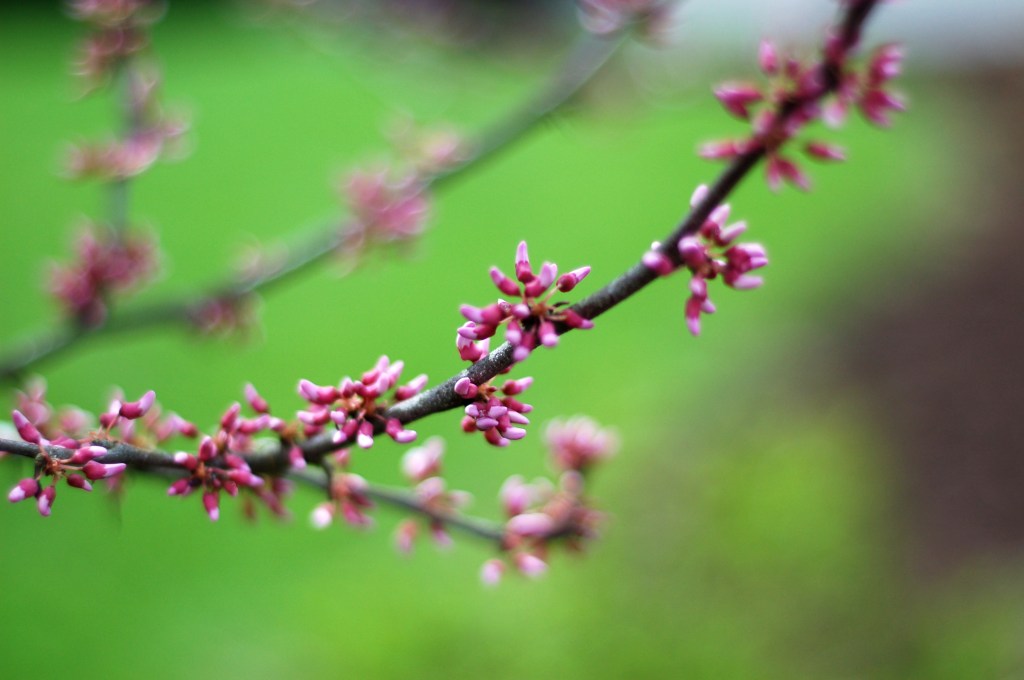
Redbud budding
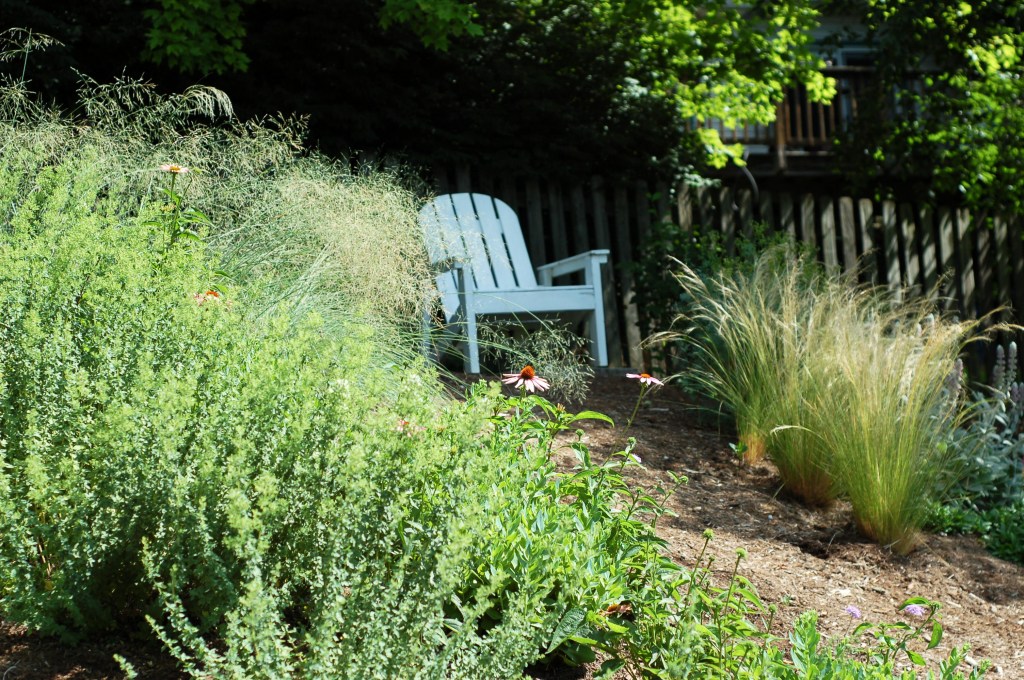
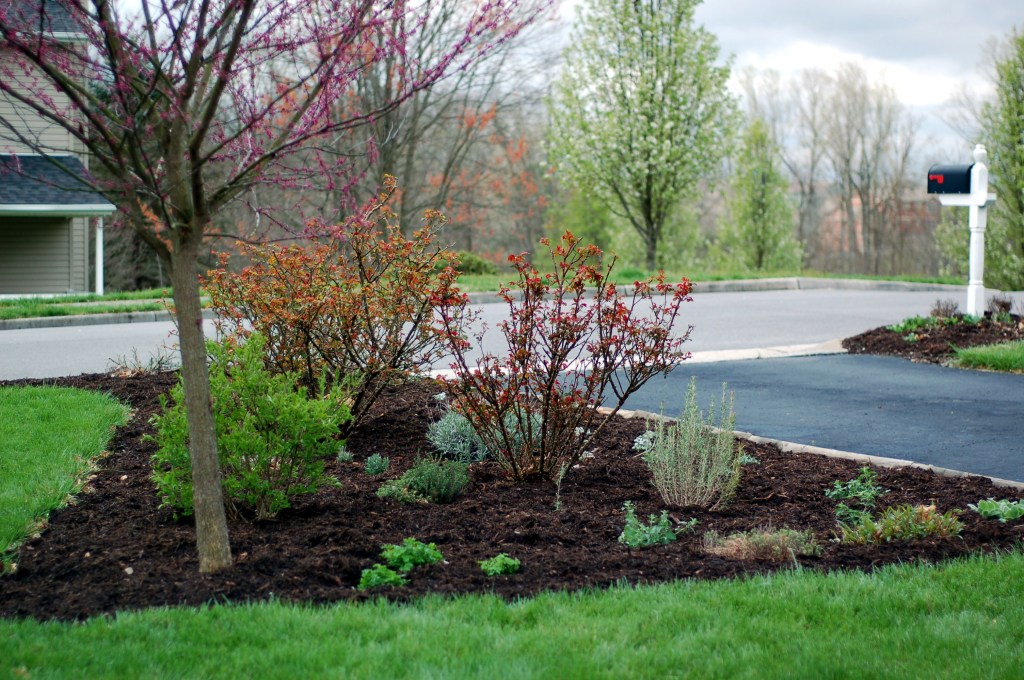
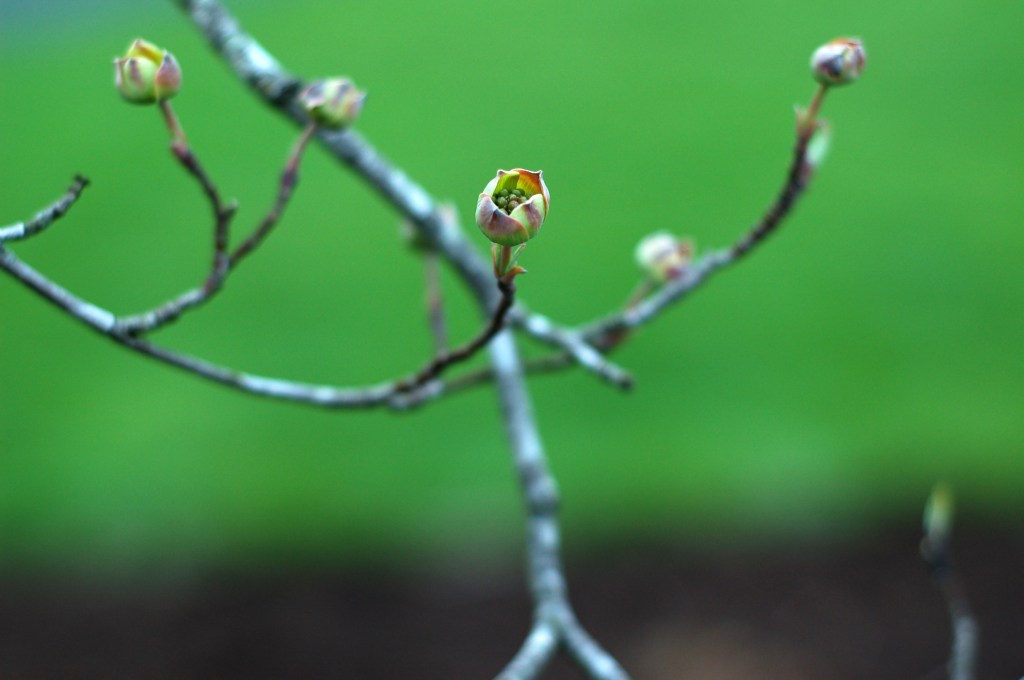
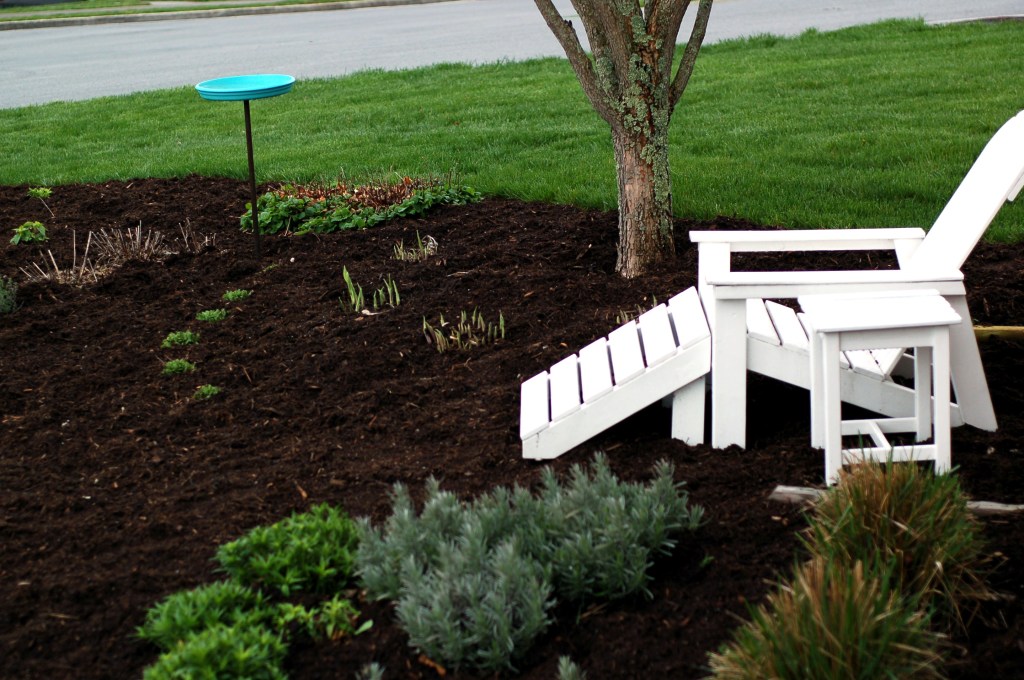
Rose and redbud bed (and herbs, lilac, silvery blue wormwoods, and artemesia)Dogwood budDogwood, butterfly bush, yarrow, and lavender already visible; butterfly attractors of milkweed, gallardia, salvia, liatris, and agastache, plus the delicious smelling lemon balm will come laterHostas emerging under the dogwood; lavender and dianthus at the foot of my chair; Karl Foerster grass shorn for new growth in right of frameThe bed in front of the stairs is a prairie type bed, with switchgrass, prairie dropseed grass, little bluestem grass, black eyed Susans, white coneflowers, liatris, sage, New England asters, calamint, Russian sage, and nepeta (catmint with blue flowers)
Back Hill
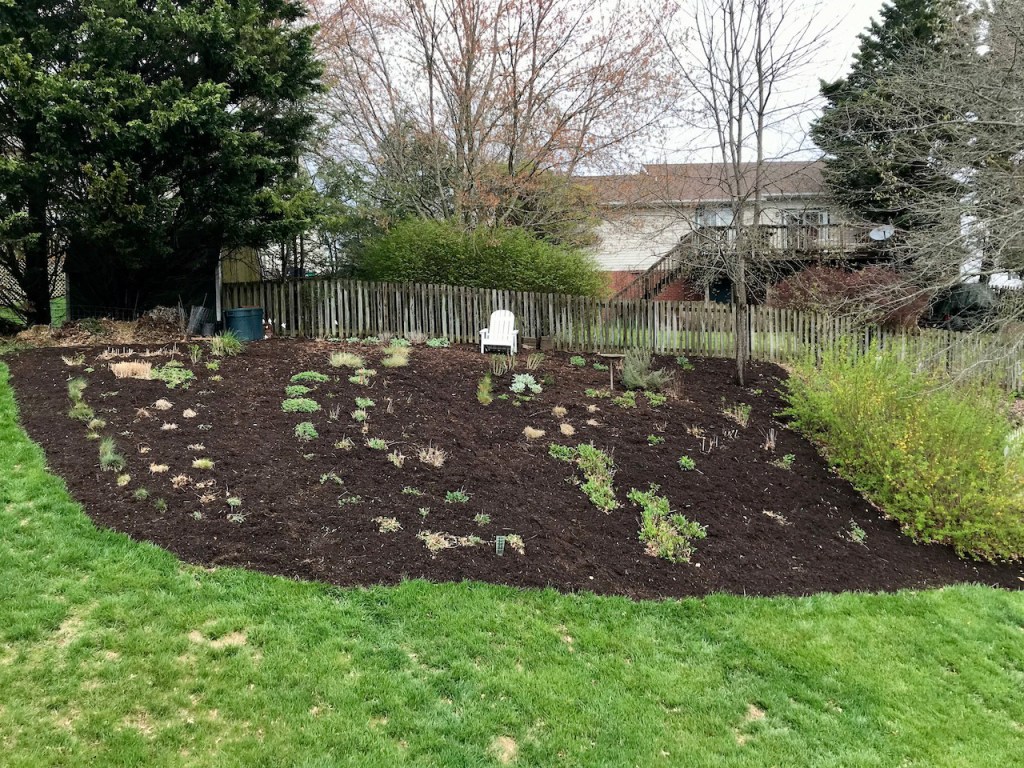
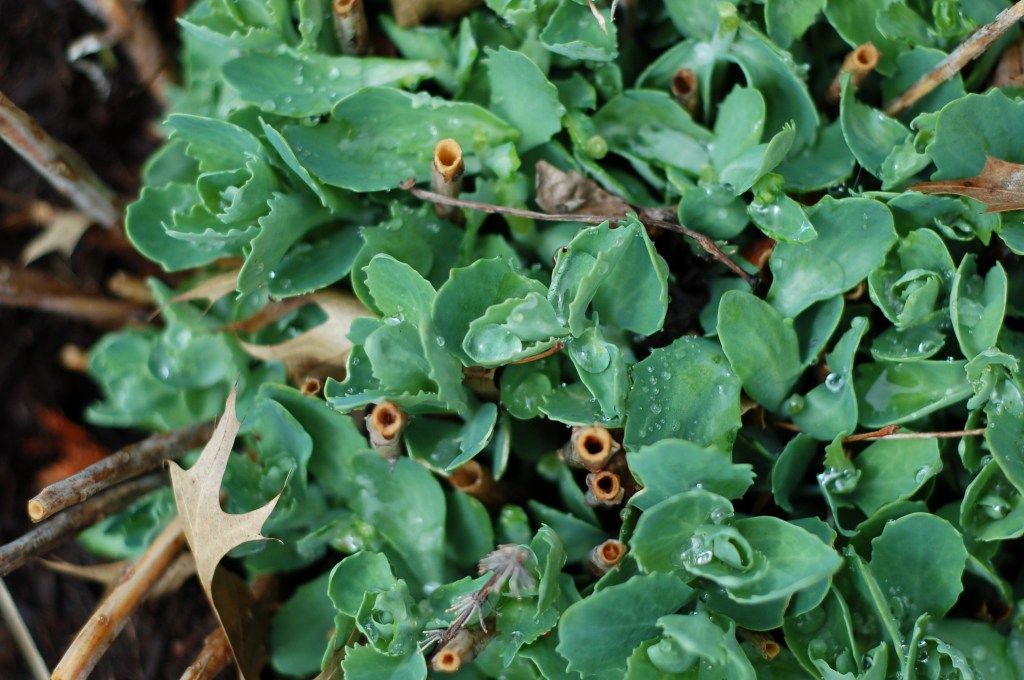
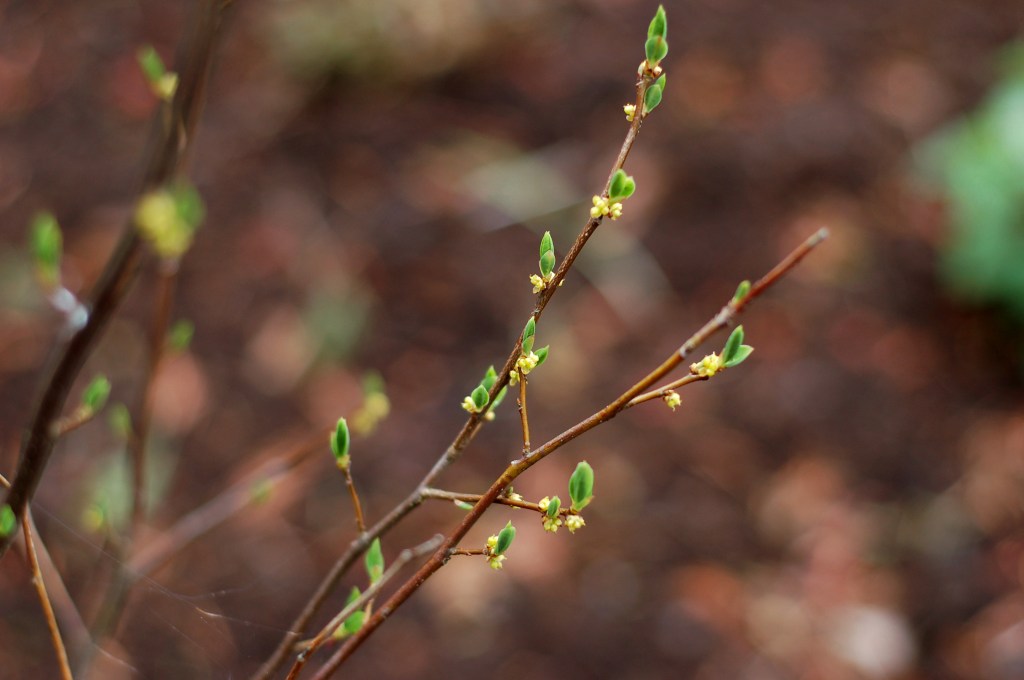
Rhododendrons in bloomLeftmost bed: grasses, agastaches, bee balm, rue, Joe Pye weed, nepeta, black eyed Susans, lollipop vervain Middle bed: wind dancer grass, echinacea, sedum, marjoram, scabiosa, indigo salvia Right bed: rue, Mexican feather grass, lamb’s ears, pink veronica, mums, Shasta daisies, blue gramma grass, little bluestem grass, milkweed, goldenrod, bee balmRain on sedumsSpicebush in bloomMy throne at the top of the hillHosta emerging; I caught it before the deer eat itBack bed and hammock treeBirdseed and rosemaryLate afternoon from the top of the hill
This is my entry for the Discover Open prompt. Also, if you like plants and butterflies and other gardeny stuff, I publish progress of this garden throughout the butterfly season at garden.andreabadgley.blog.
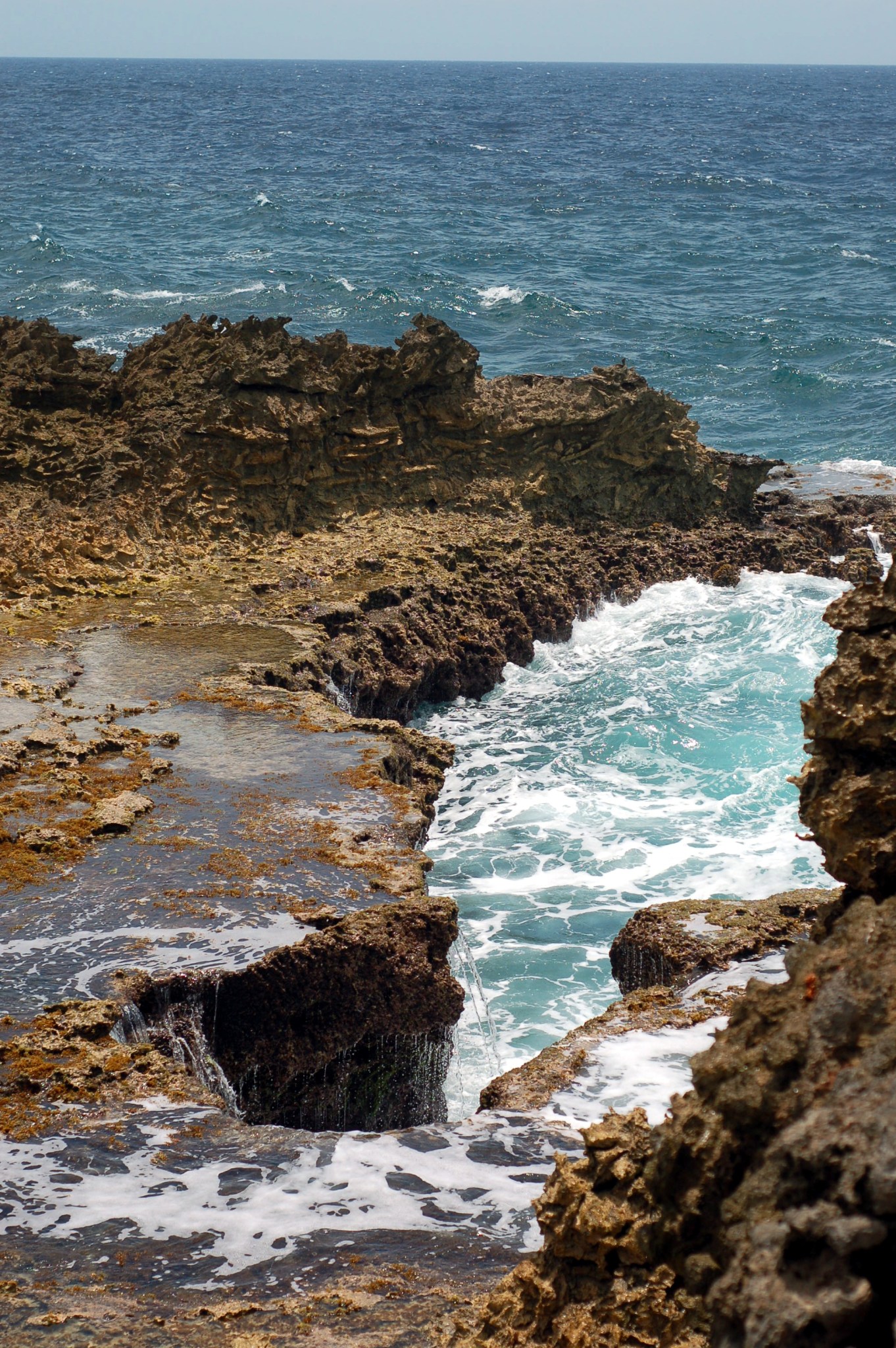
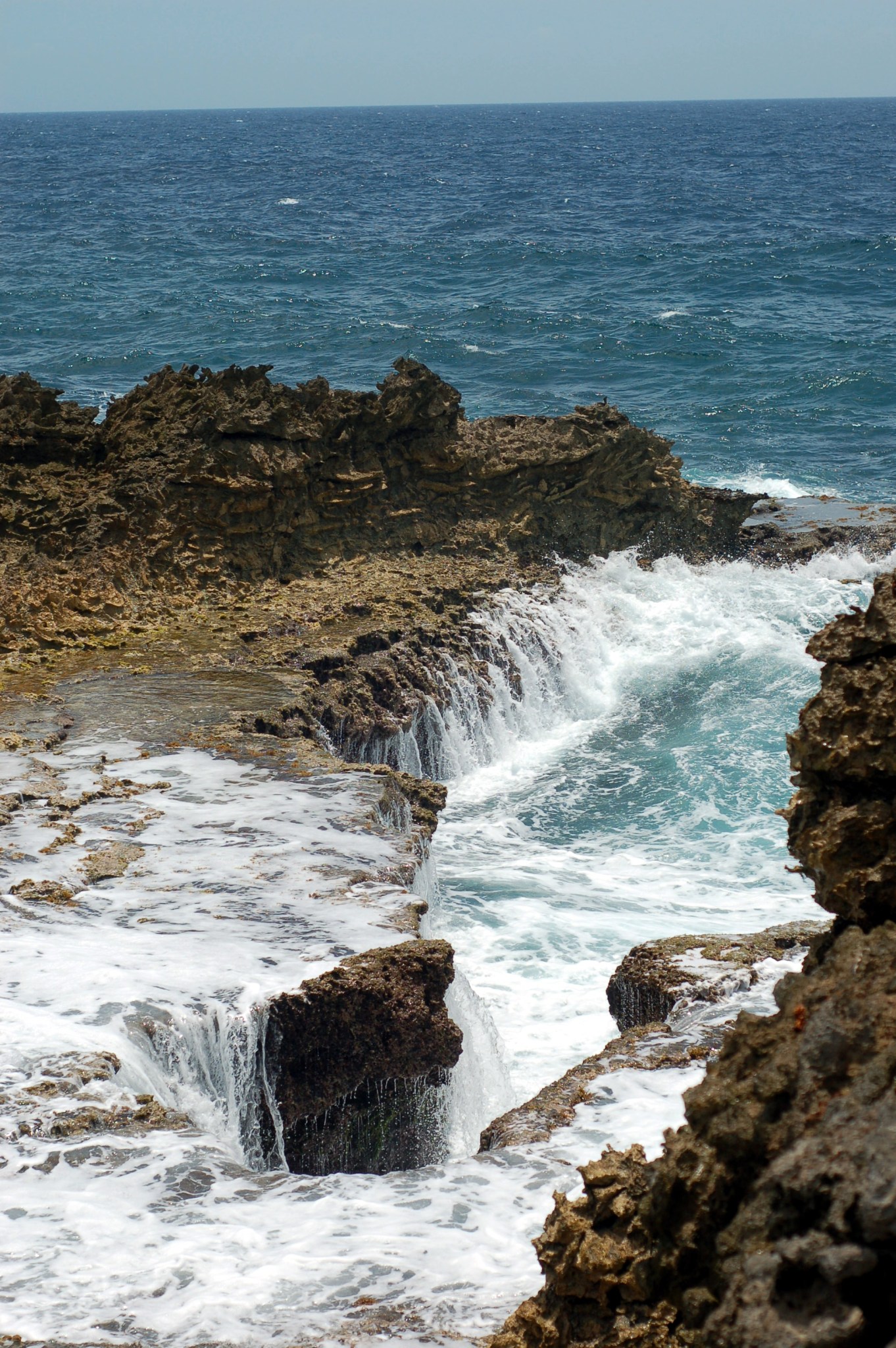
After spending our first day of vacation hanging around our Airbnb on the leeward coast, we were ready to explore the wild side of the island on our second day. We hopped in our rental car and drove up through the northern end of Curaçao then cut over to the eastern coast: the coast that endures the relentless pounding of waves driven by easterly trade winds.
We parked the car near the ticket stand at Shete Boka national park, then set off on foot across the Mars-like landscape to witness the crashing of blue water against sharp limestone cliffs.
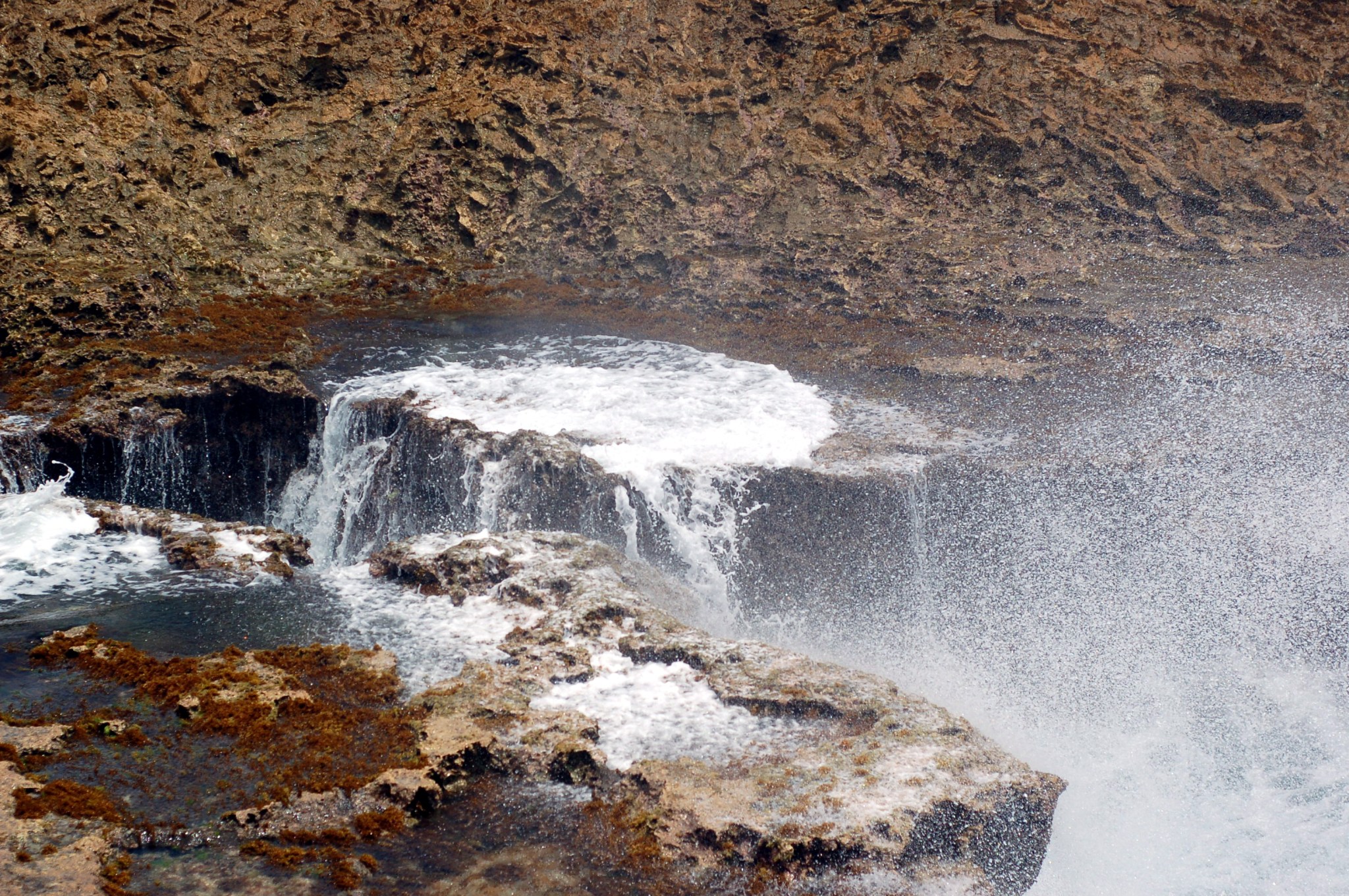
The most amazing part of the park, aside from being surrounded by the magnificence of all that ocean energy pounding against ancient rock, was a formation called Boka Pistol. Along the windward coast is keyhole shaped inlet. As waves rush in, run out of room, and continue to fill the space anyway, air gets trapped in the formation, then makes a thunderous hollow boom before the water, with nowhere else to go, crashes into rock and sprays back out to sea. BOOM-pssssshhhhhhhhhh. We watched wave after wave crash, boom, and spray, each one leaving me breathless with anticipation: how loud will it boom? How high will it splash? Which direction will it shoot?
Along the coast at Shete Boka National Park, Curaçao
The barren landscape of a desert island
Cactus and clouds
Flat pools constantly awash at Boka Pistol
Boka Pistol formation before water rushes in
Pistol shot of a wave crashing into the keyhole
And the wave recedes
Incoming swell
BOOM
And back out to sea
I can’t get enough of this glacier blue water.
Stone cairns on the land next to Boka Pistol
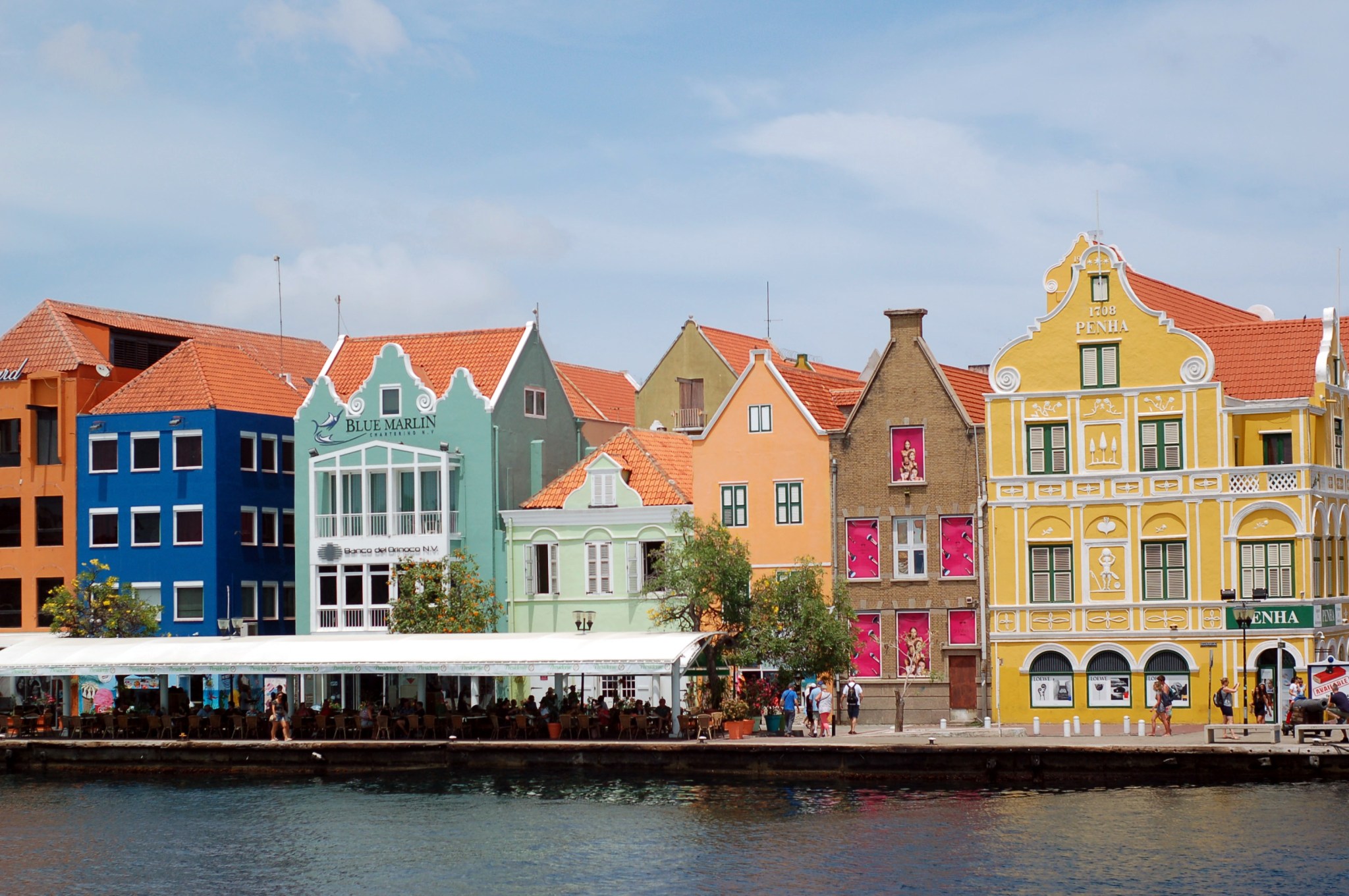
After the barren wildness of Shete Boka National Park, we went about as opposite a feel as you can get on the island: we got back in the air-conditioned car and drove down to the capital city of Willemstad for lunch. The city is adorable with its brightly colored buildings. I drank a piña colada with my lunch of snapper in a coconut sauce as we sat by the harbor and watched the floating bridge swing open for a catamaran to pass through. The air was still and hot compared to the strong ocean breeze up on the limestone bluffs of Shete Boka. My main wishes for our town visit were to see the colorful city and to see if pastries are a thing here, with its strong European influence. When our waiter couldn’t give me the name of a single pastry shop nearby, and I had already seen the pretty buildings, I didn’t feel the need to come back to town. I like the wild stuff better.
Willemstad and floating bridge from inside fort that guards the harbor entry
Willemstad. We ate lunch under the awning along the water.
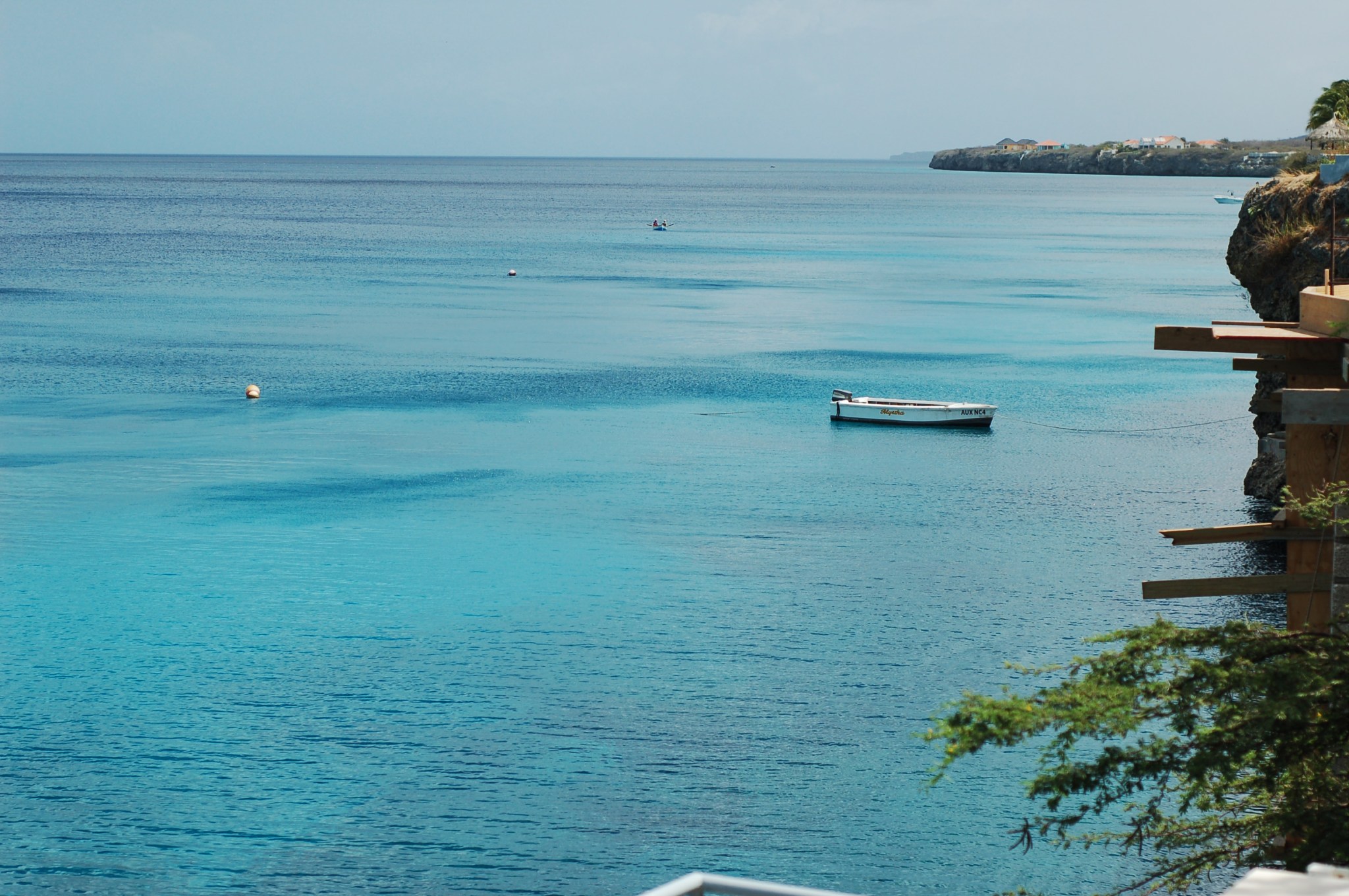
We spent our first day of vacation in Curaçao snorkeling, hanging around our airbnb, and exploring out our front door on foot. Not captured in photos are the sea turtle, corals, and multicolored reef fish we saw underwater.
Morning sunshine in the front cactus garden
My writing spot
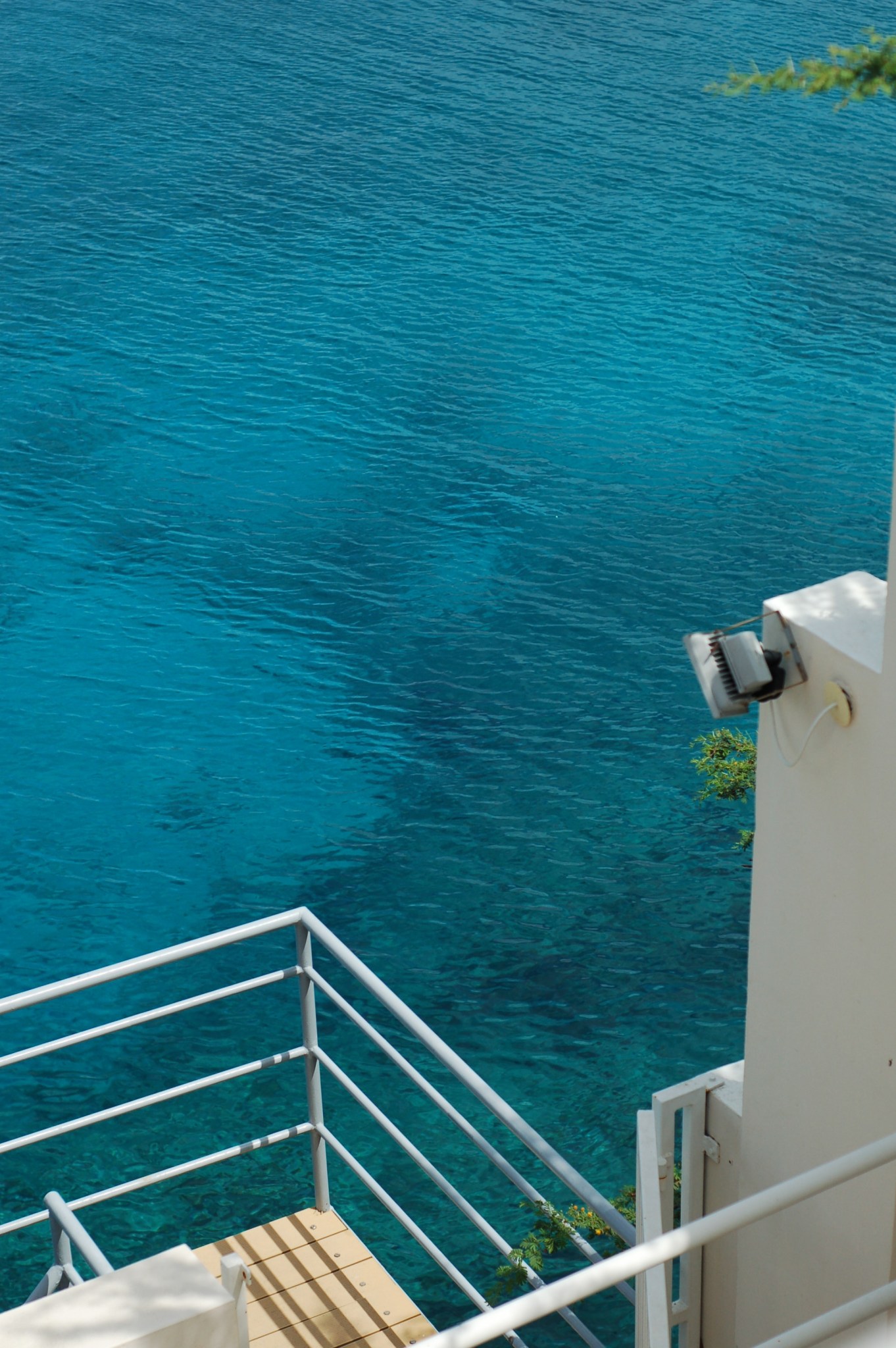
Stairway to the snorkeling spot off the back deck
View from the back stairs
I don’t know what this plant is but I love the little yellow pompom flowers
I spent last week’s daylight hours almost exclusively outside. I drank my morning coffee indoors, then put on my gardening gloves and hat and spent the days digging, carting, planting, and shoveling. I calculated on my gardening blog that I spread more than 2 tons of mulch in about 3 days. I was exhausted by the end of the week, but now everything is so pretty I can’t help but just stand at the windows (it’s raining) and admire all the plants that are about to burst into bloom. I ventured out into the drizzle today to capture these early buds and blossoms.
These tulips will open any second now.
Redbud 😍
The lilac will smell delicious when these blossoms open
The dogwood remains a favorite. I take this same photo every year 😛
The redbud is thick with fuscia buds this year
Our dogwood and a front bed before anything fills in
Hosta unfurling under the dogwood
Rhododendron and wood pile out back
Tiny yellow flowers on my new spicebush
These photos aren’t great due to low light, but I want to preserve them here so I can see where everything was this time of year when I look back at my blog next year :-).
For the first time since the kids were born 15 years ago, we awoke on Christmas morning away from home. Instead of driving down to visit family the day after Christmas like we normally do, we decided that since the Virginia to Florida drive is so long (16 hours), we would show up on Christmas Eve instead. The stay is too short for that many hours of driving if we wait. The kids are big enough that they didn’t mind being away this once.
Reading, barefooted, on the lanai in December
We relaxed in sunshine. We saw grandparents, sisters, aunts, uncles, cousins. We ate lots of food, visited lots of family. We gabbed. We swam. We shopped. We walked a marina during the day and the beach at sunset.
Moored sailboats in Sarasota Bay
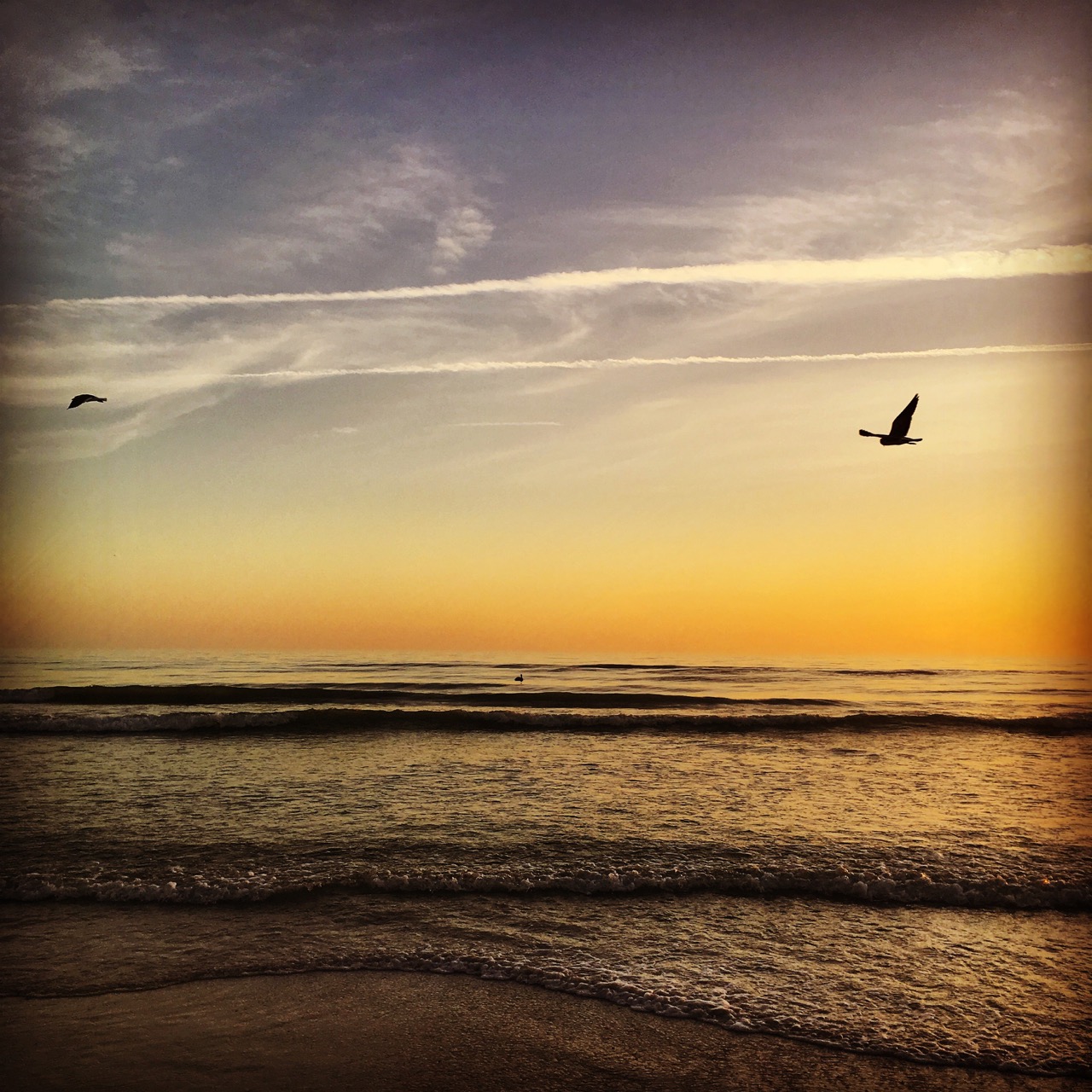
Sunset, Siesta Key, Christmas Day
Siesta Key sunset on our final night in Florida
We looked for seashells.
Seashells on Siesta Beach
One of the unexpected gems of this Christmas was the beautiful blown crystal martini glasses my mother-in-law pulled out of a blue Tiffany & Co. box on Christmas Eve. They keep all sorts of good gin at their house — Aviation, Hendricks, Tanqueray — and in addition to all the visiting, beaching, shopping, and other merriment, a highlight of the trip for me was drinking fine gin martinis out of Tiffany glasses.




























 Butterfly Mind