Time has slowed down since the pandemic began. Weekend errands, drives to and from the aquatic center, and swim meets are all gone. We planned to sail on Saturday. We had the boat hitched up and drove further away from our house than we have in 72 days now.
But the highway was closed, and traffic on the detour was backed up for miles. We turned around and came home. My boat hat transformed into my reading in the garden hat.
I sat in the garden and read Saturday and Sunday both. If the sun was up, I was outside. I finished one book, and then another. And I took some photos of the lush emerald green. The garden never as deep and fresh a green as it is in May..
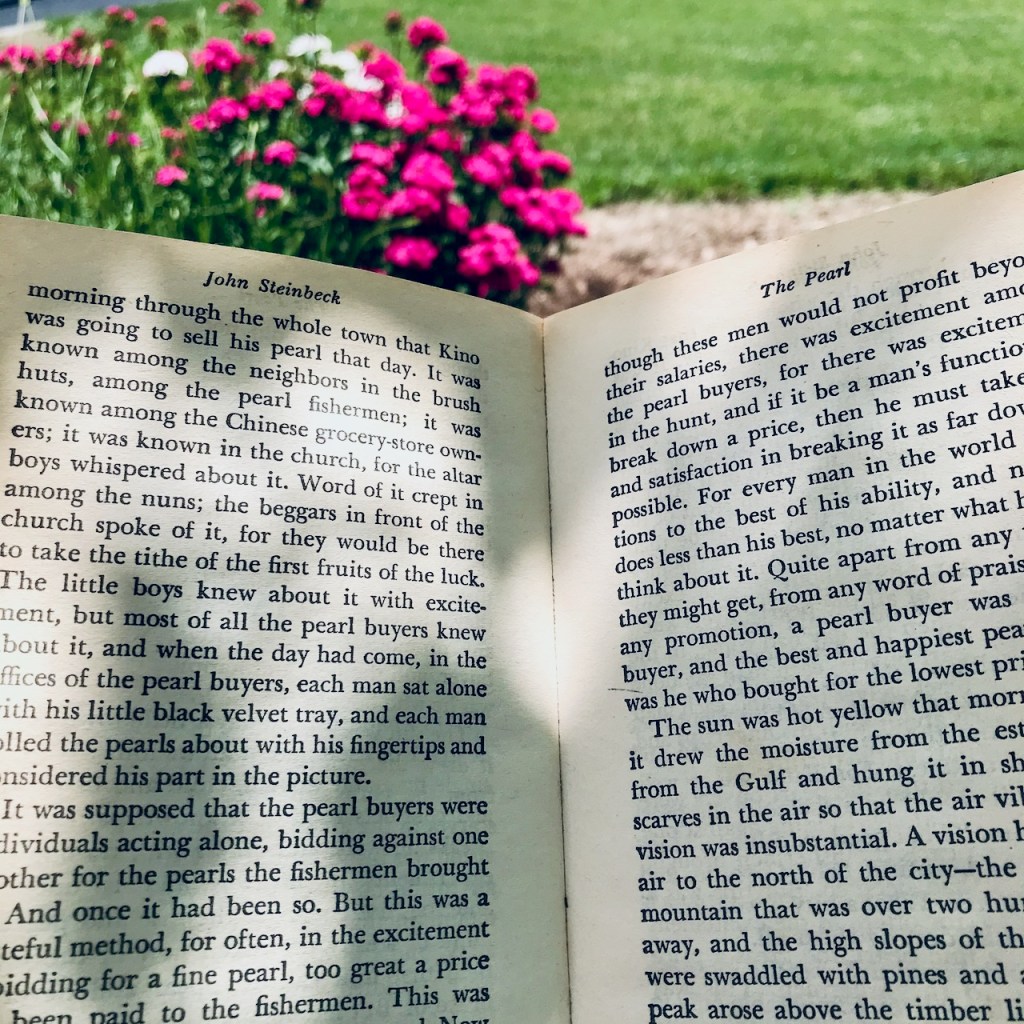
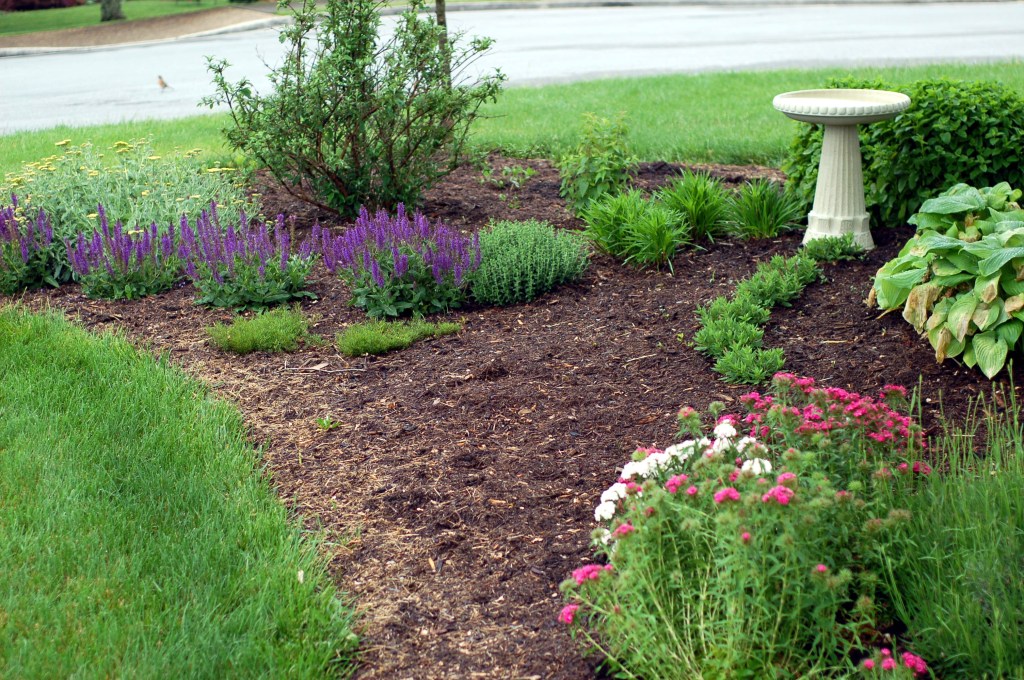
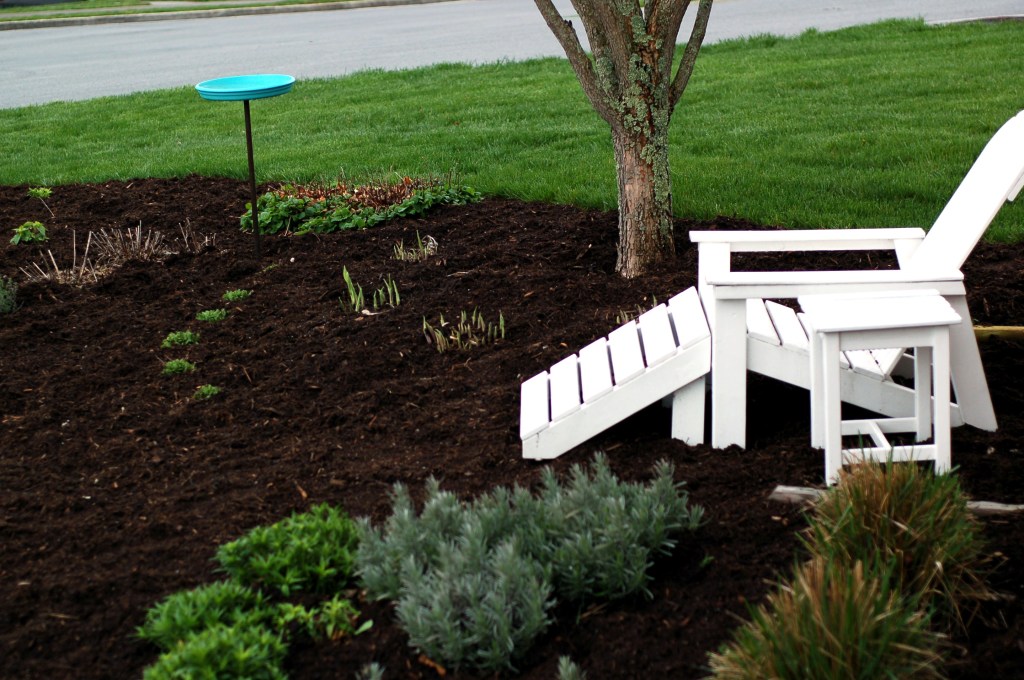
The basil we started from seed went in the ground this weekendI read The Pearl almost entirely from the garden this weekendMy little prairie bed with my new bird bath in the background 😍
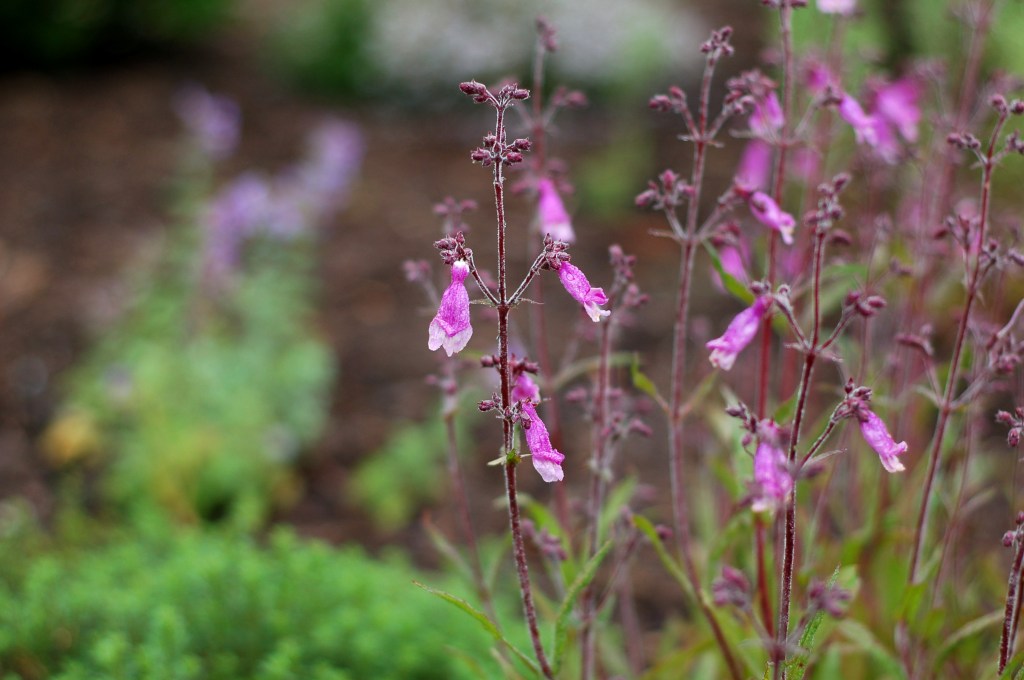
Penstamon
Lamb’s ears
Orlaya
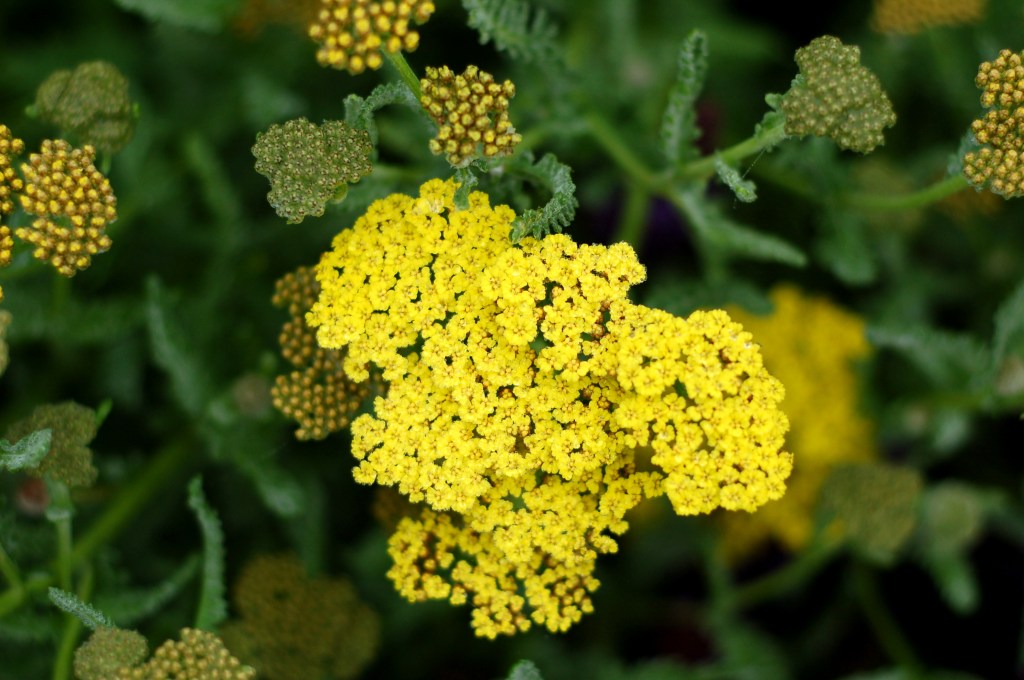
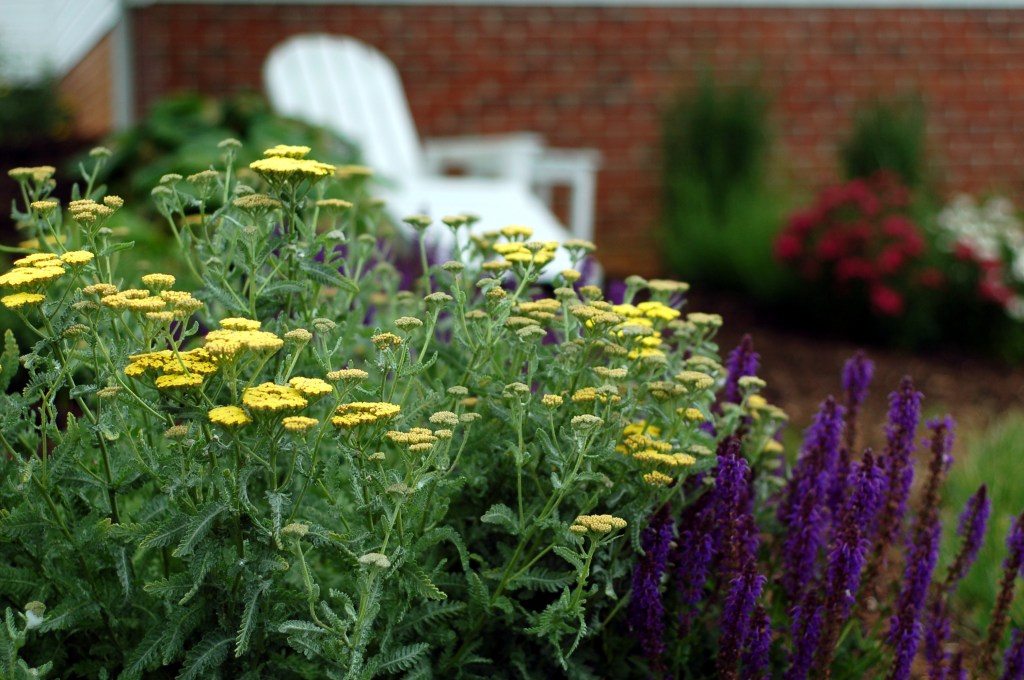
Yarrow
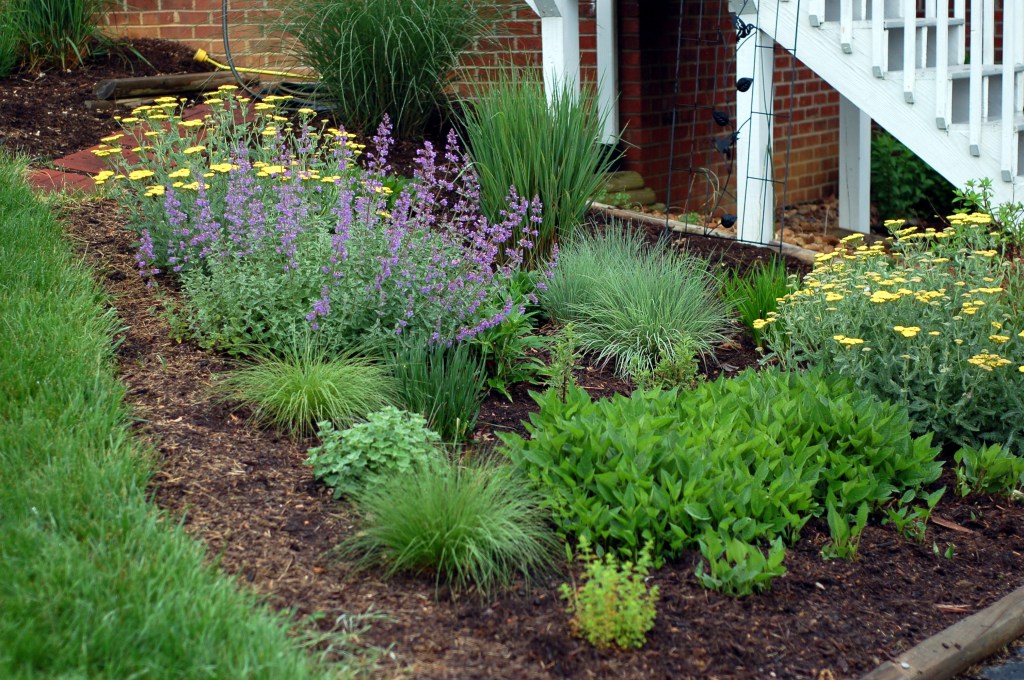
Prairie bed with yarrow, catmint, prairie dropseed, black eyed Susans, switchgrass, liatris, and little bluestemYarrow and salviaMy new bird bath the kids gave me for Mother’s Day ♥️My favorite grass in all the garden: Mexican feather grass
Yarrow and catmint
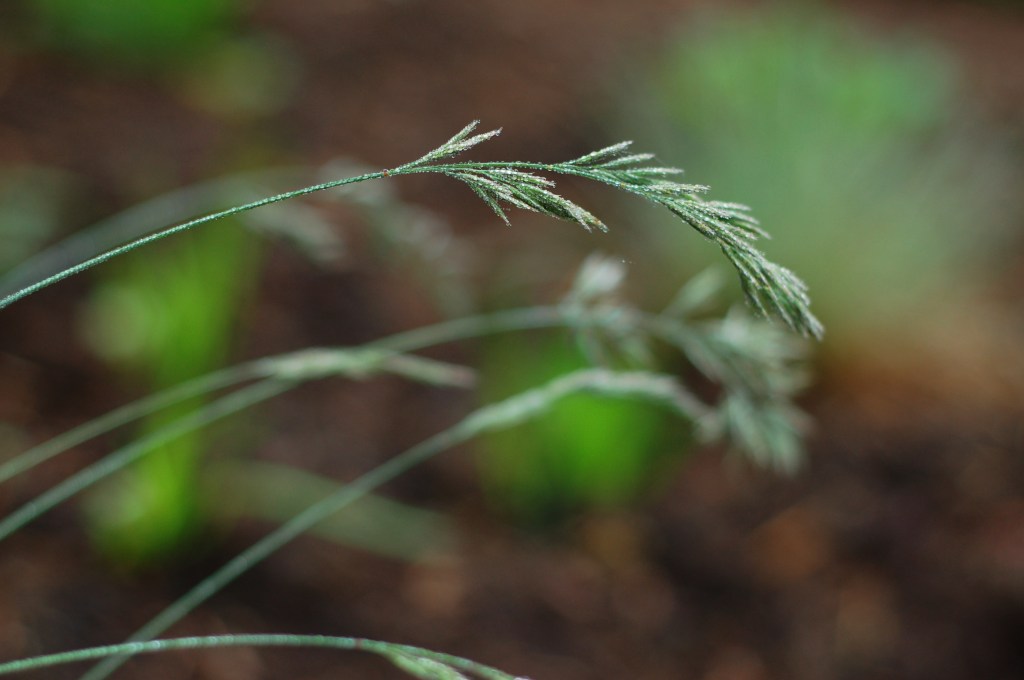
Dewdrops on fescue heads
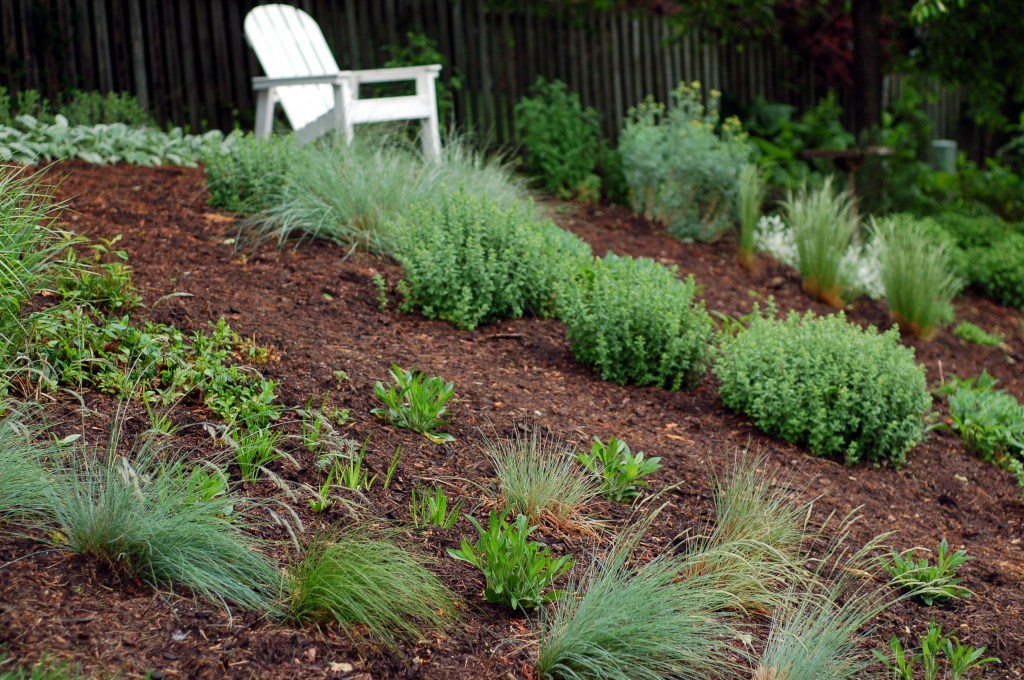
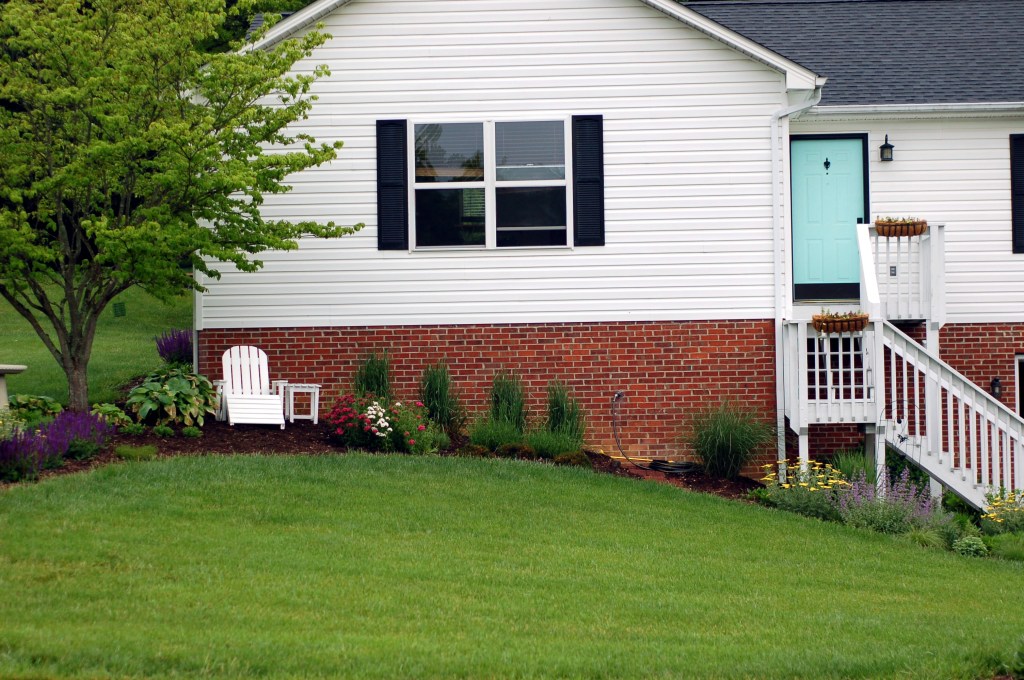
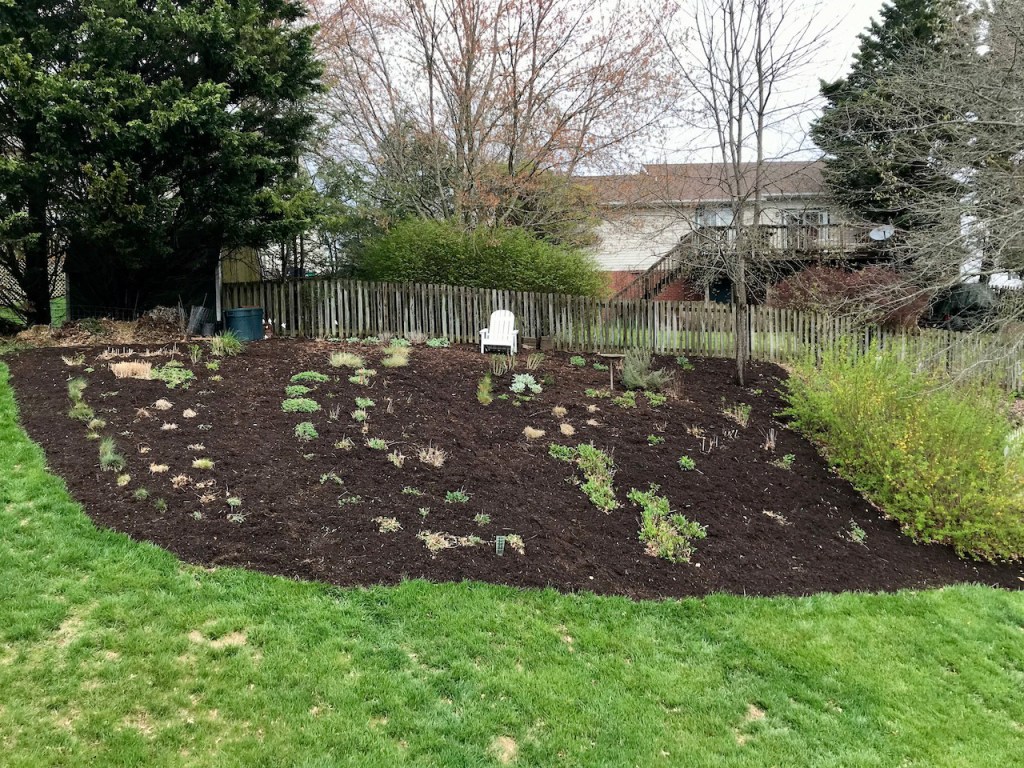
The back bed starting to fill inOur little house with my reading chair under the dogwood tree
I’ve spent the past five days in the open air. I am on my annual garden vacation. Instead of listening to news of the coronavirus, I’ve been outside in garden gloves and hat.
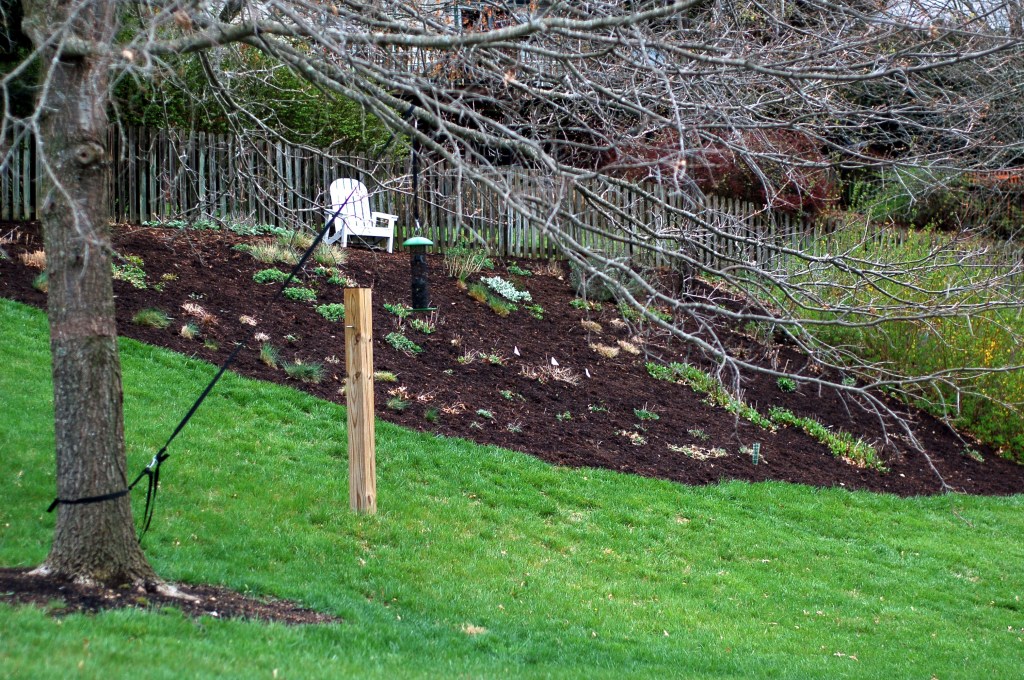
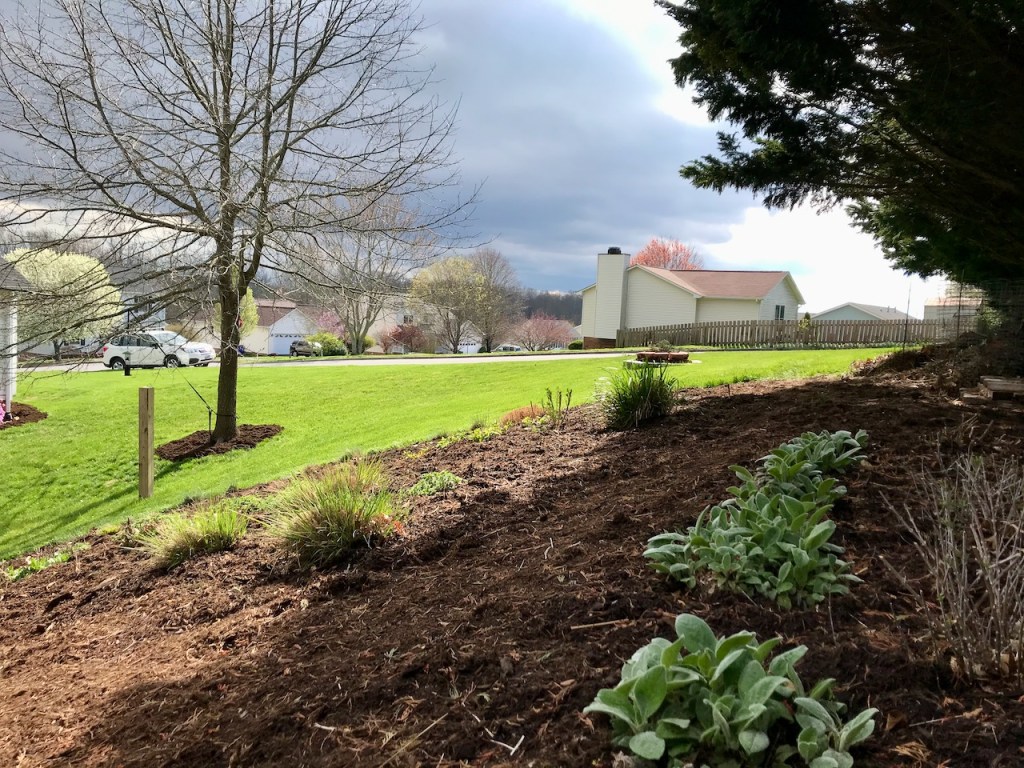
Over the past five years we’ve lived in our house, I’ve killed a lot of grass to create flower beds for butterflies. I’ve accumulated perennials over those years as well. In March, instead of the beds being barren and brown like they were when I first created them, green leaves and shoots emerge. They make me giddy every year. Green! Renewed life!
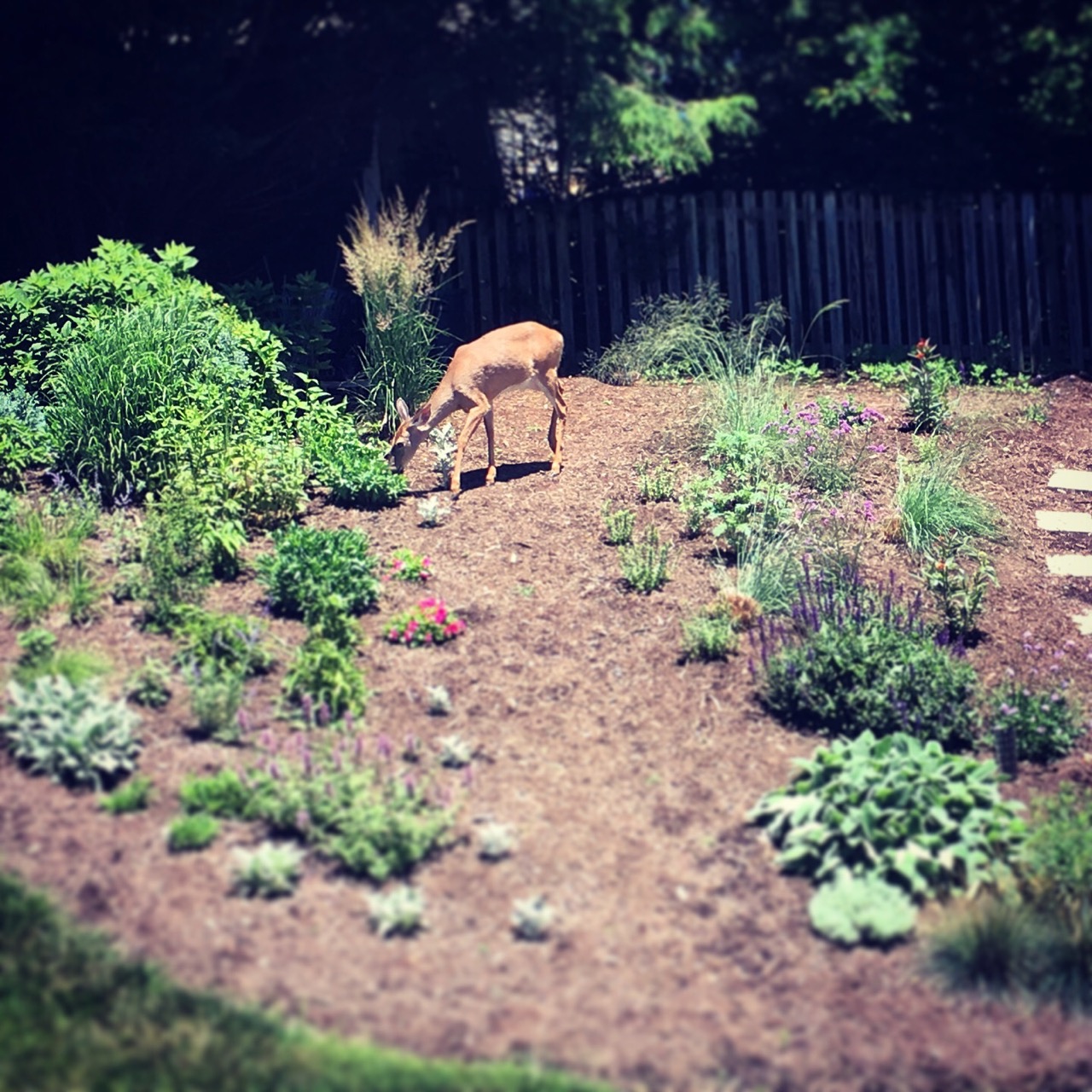
Each spring, I take a week off of work to spend in the garden, to get it ready for the birds and butterflies (and bunnies and deer). I move plants around to change things up year over year, and then spread about four tons of mulch over all the beds.
This week was that week for me. I finished spreading the mulch yesterday. With the lockdown in place, I’m grateful for five years of plant-buying. I don’t need to go to the nursery; I don’t have any big gaps to fill in, and I do have packets of zinnia and cosmos seeds for the places that do need filling.
Now I can sit back and watch it all grow.
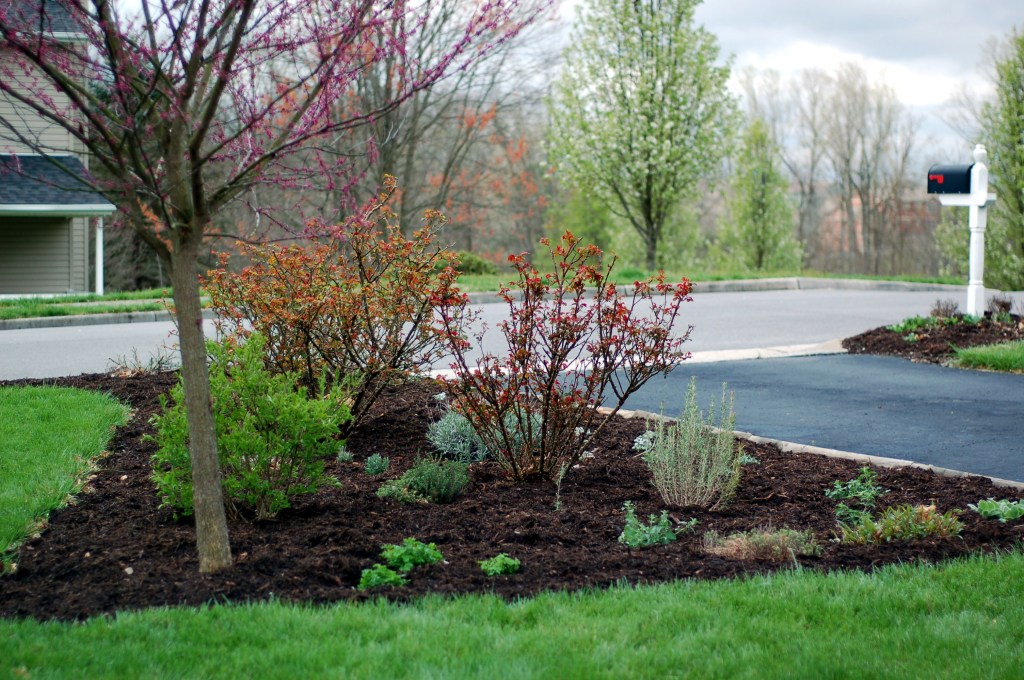
Front Beds
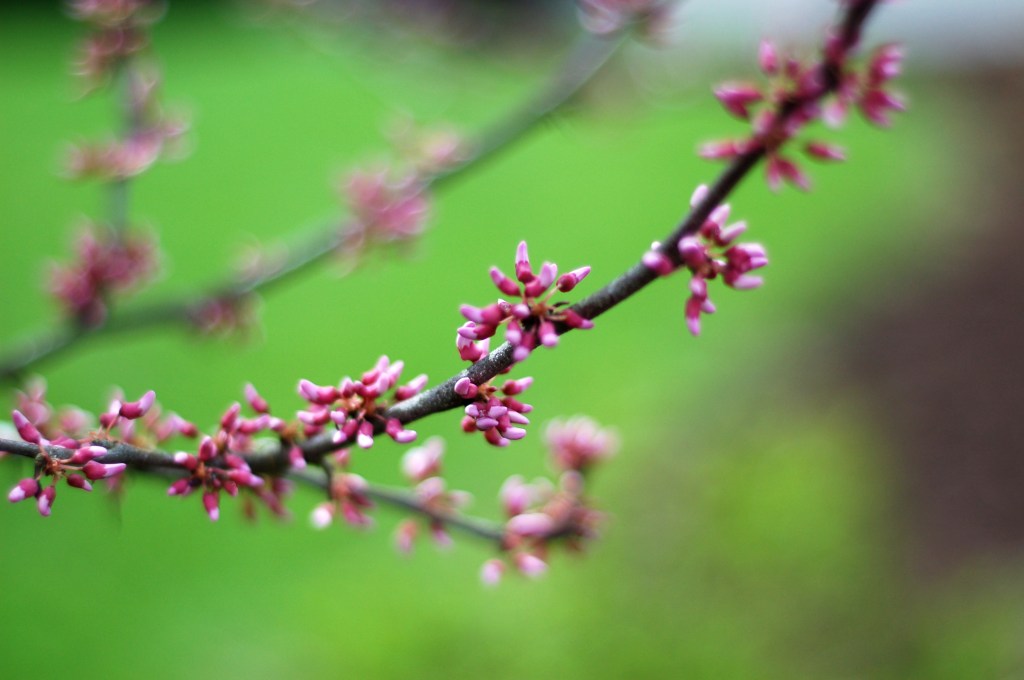
Redbud budding
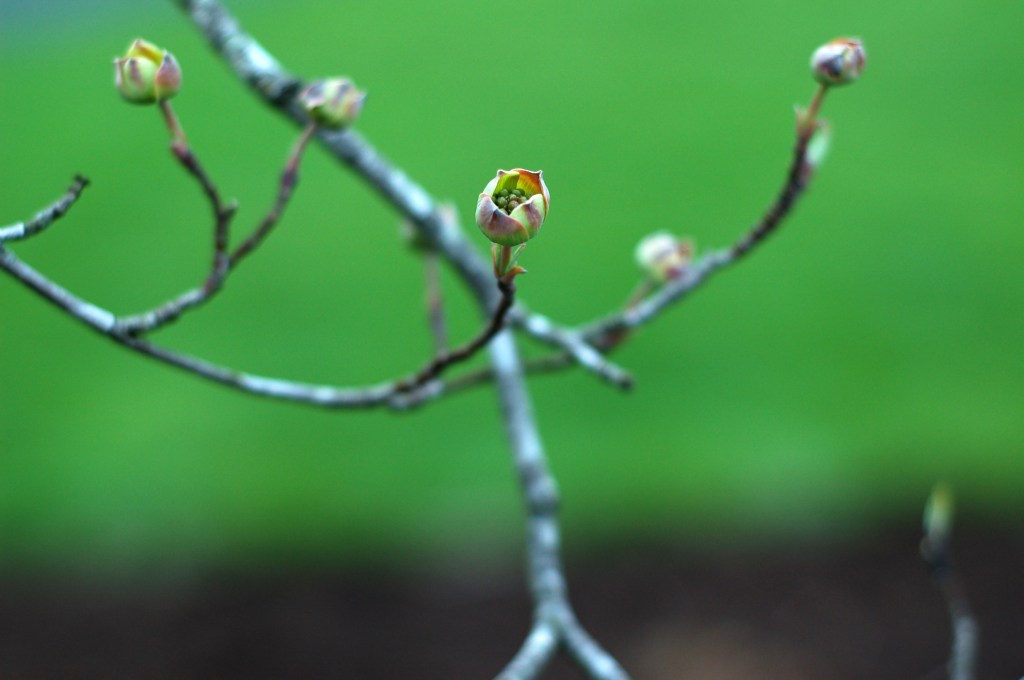
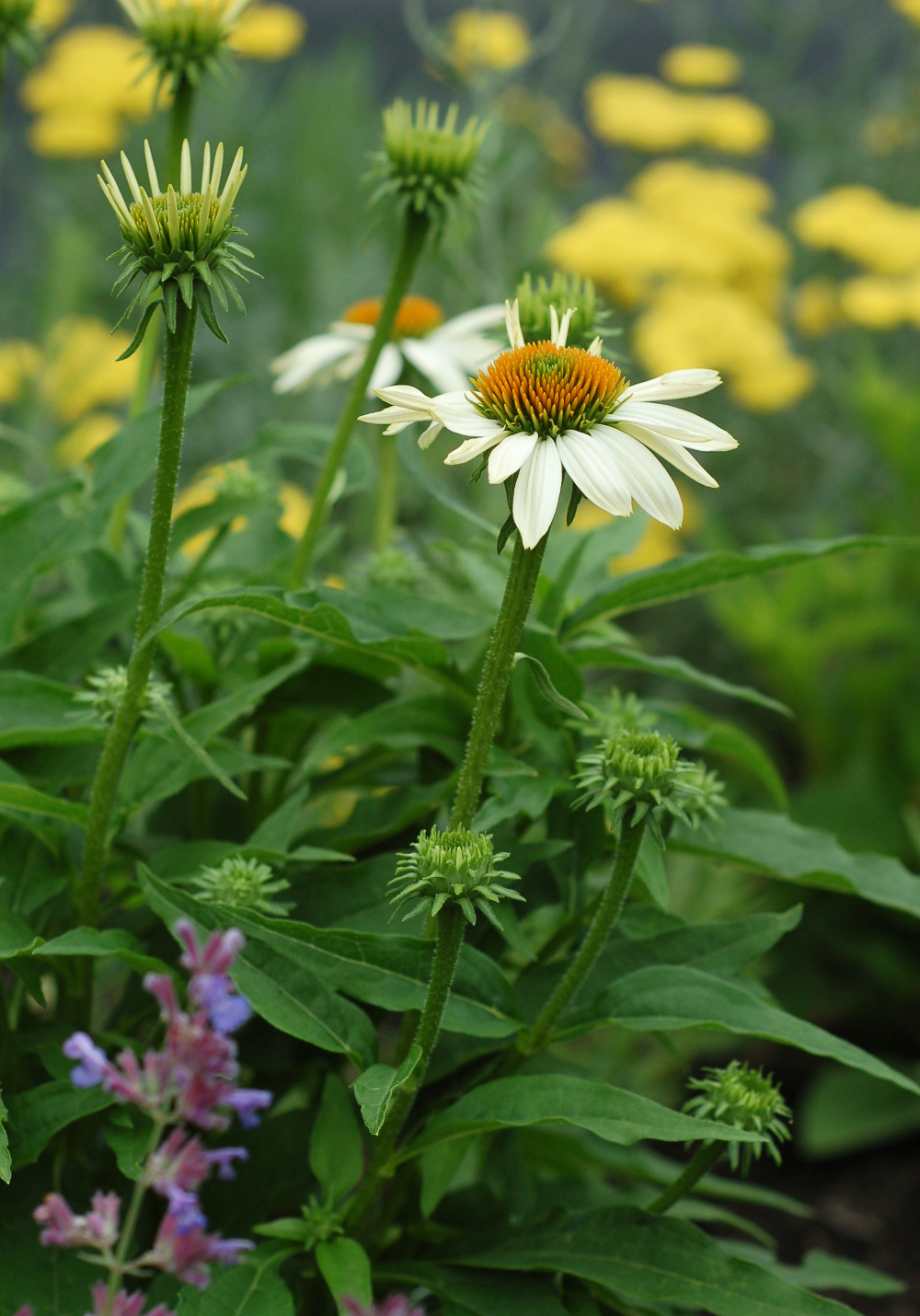
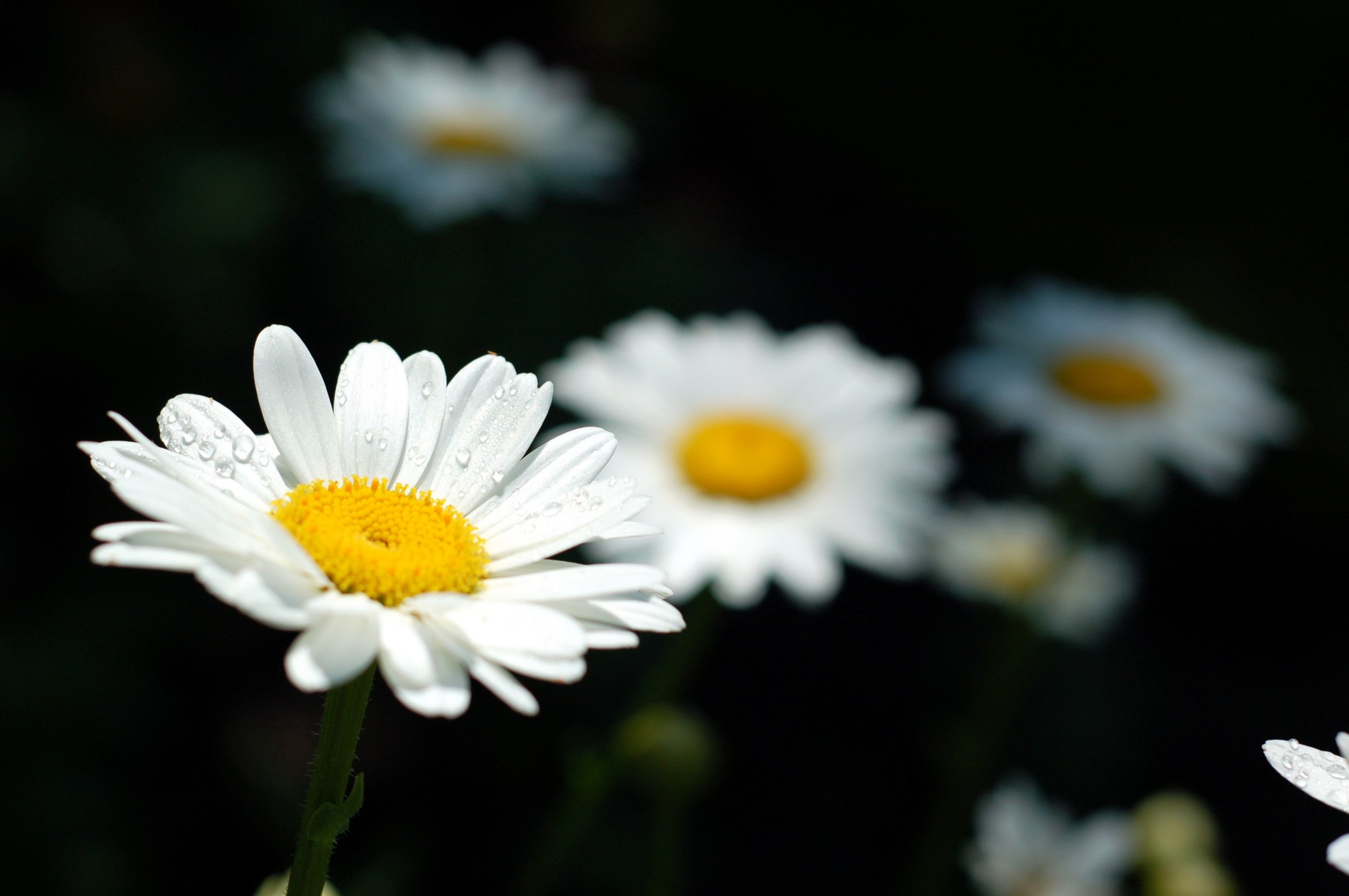
Rose and redbud bed (and herbs, lilac, silvery blue wormwoods, and artemesia)Dogwood budDogwood, butterfly bush, yarrow, and lavender already visible; butterfly attractors of milkweed, gallardia, salvia, liatris, and agastache, plus the delicious smelling lemon balm will come laterHostas emerging under the dogwood; lavender and dianthus at the foot of my chair; Karl Foerster grass shorn for new growth in right of frameThe bed in front of the stairs is a prairie type bed, with switchgrass, prairie dropseed grass, little bluestem grass, black eyed Susans, white coneflowers, liatris, sage, New England asters, calamint, Russian sage, and nepeta (catmint with blue flowers)
Back Hill
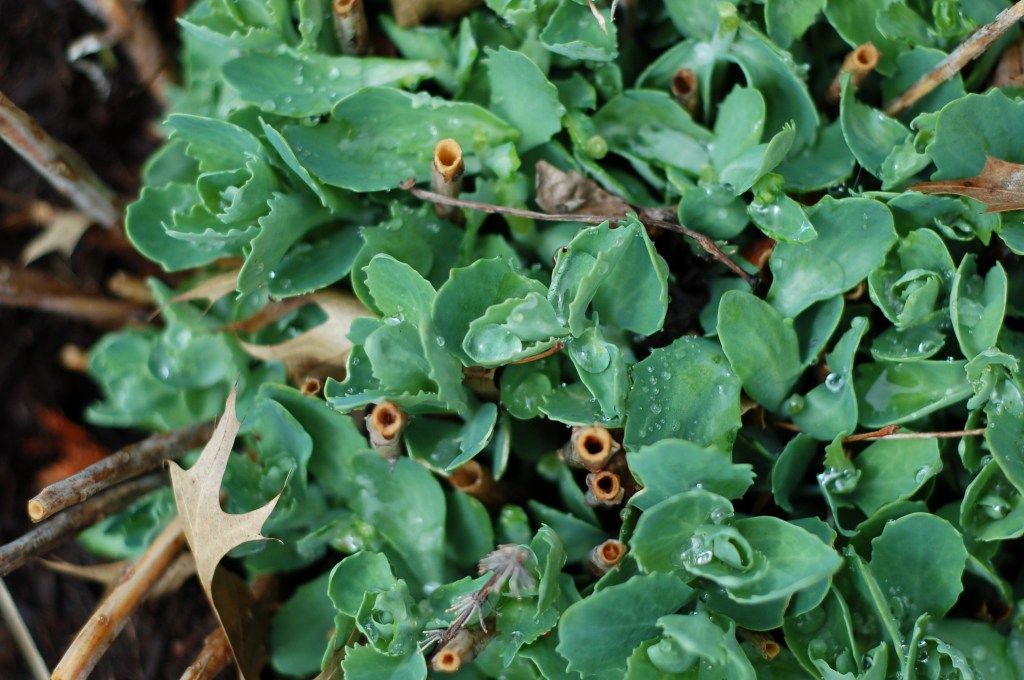
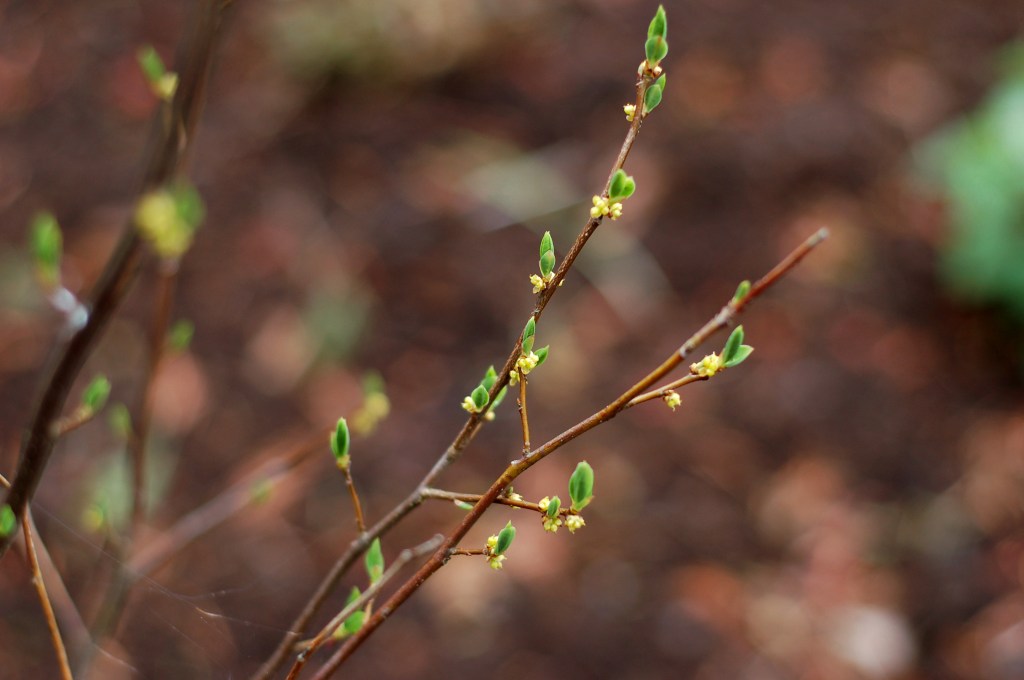
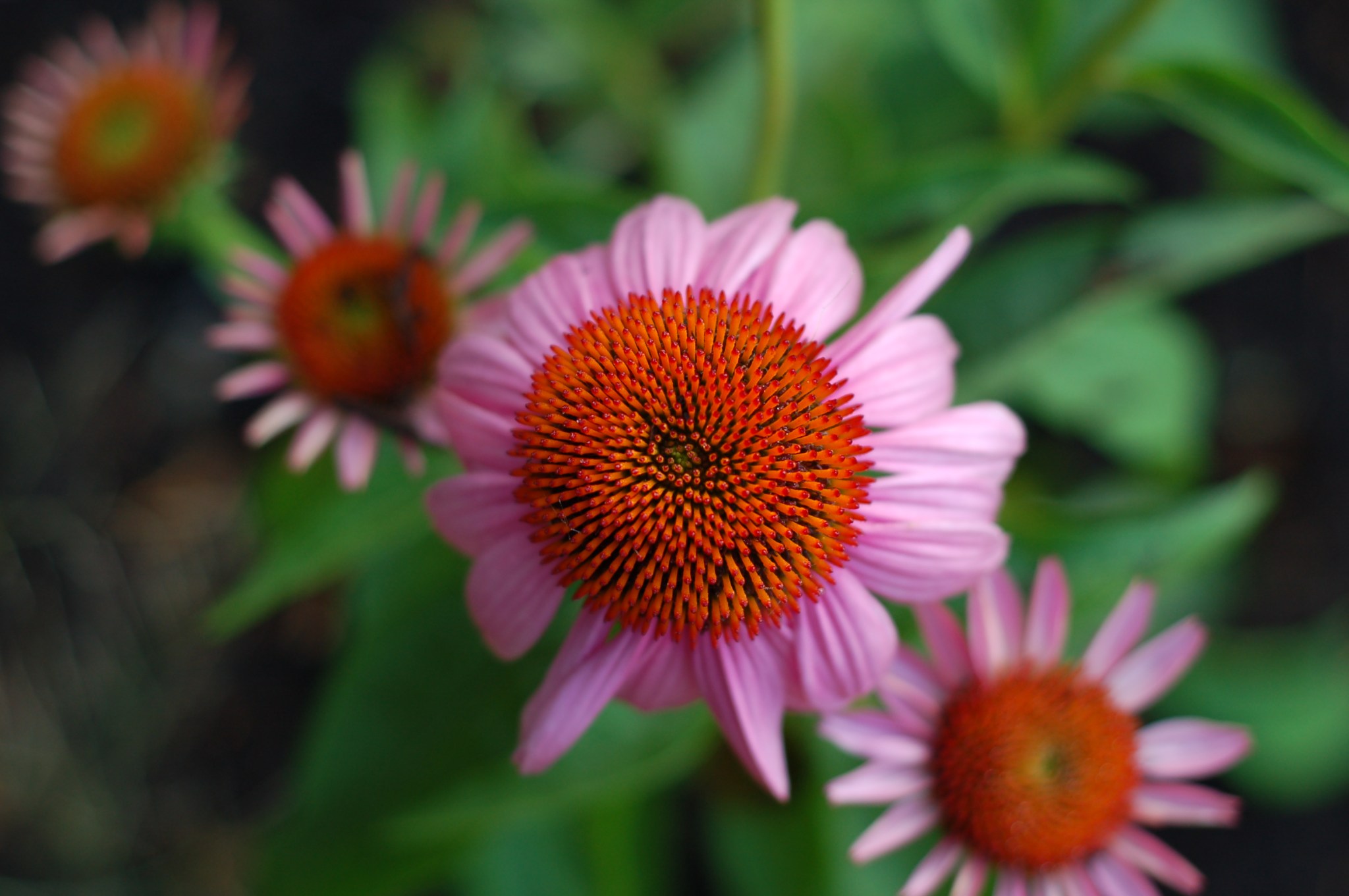
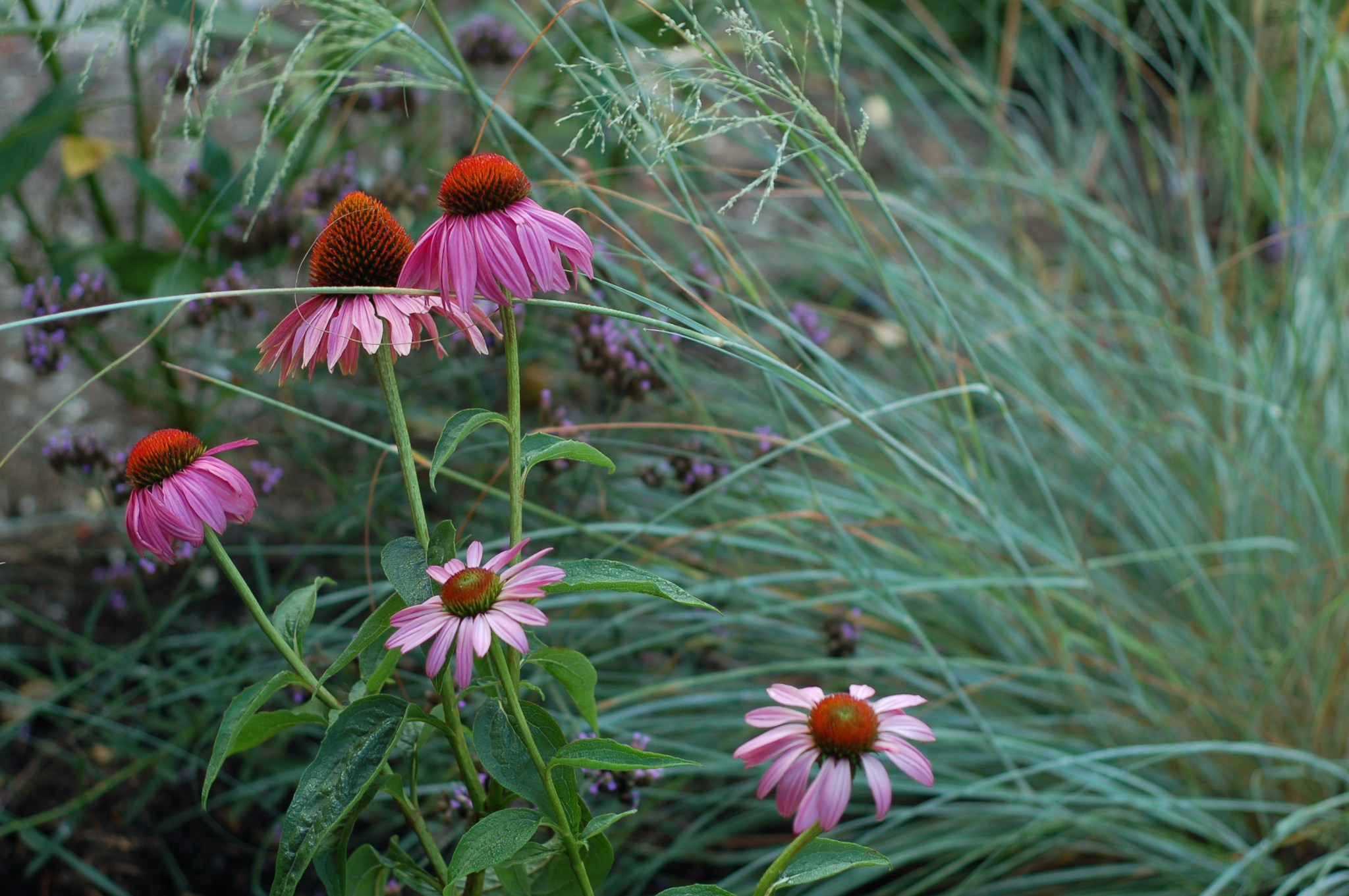
Rhododendrons in bloomLeftmost bed: grasses, agastaches, bee balm, rue, Joe Pye weed, nepeta, black eyed Susans, lollipop vervain Middle bed: wind dancer grass, echinacea, sedum, marjoram, scabiosa, indigo salvia Right bed: rue, Mexican feather grass, lamb’s ears, pink veronica, mums, Shasta daisies, blue gramma grass, little bluestem grass, milkweed, goldenrod, bee balmRain on sedumsSpicebush in bloomMy throne at the top of the hillHosta emerging; I caught it before the deer eat itBack bed and hammock treeBirdseed and rosemaryLate afternoon from the top of the hill
This is my entry for the Discover Open prompt. Also, if you like plants and butterflies and other gardeny stuff, I publish progress of this garden throughout the butterfly season at garden.andreabadgley.blog.
Midmorning yesterday, my husband was restless. He wanted to get out of the house.
“I think I want to go for a hike. You want to come?”
I had just been thinking about how lately I’ve been reading stories more than I’ve been getting out in the world and experiencing life.
“Yes, I just need to change and then I’ll be ready.”
We drove to one of our standard hikes nearby, a 4-mile hike about 30 minutes from our house: the Cascades waterfall in Pembroke, Virginia. We’re both already tired of winter, and the muted grey and brown landscape that comes with it. We wanted something with green.
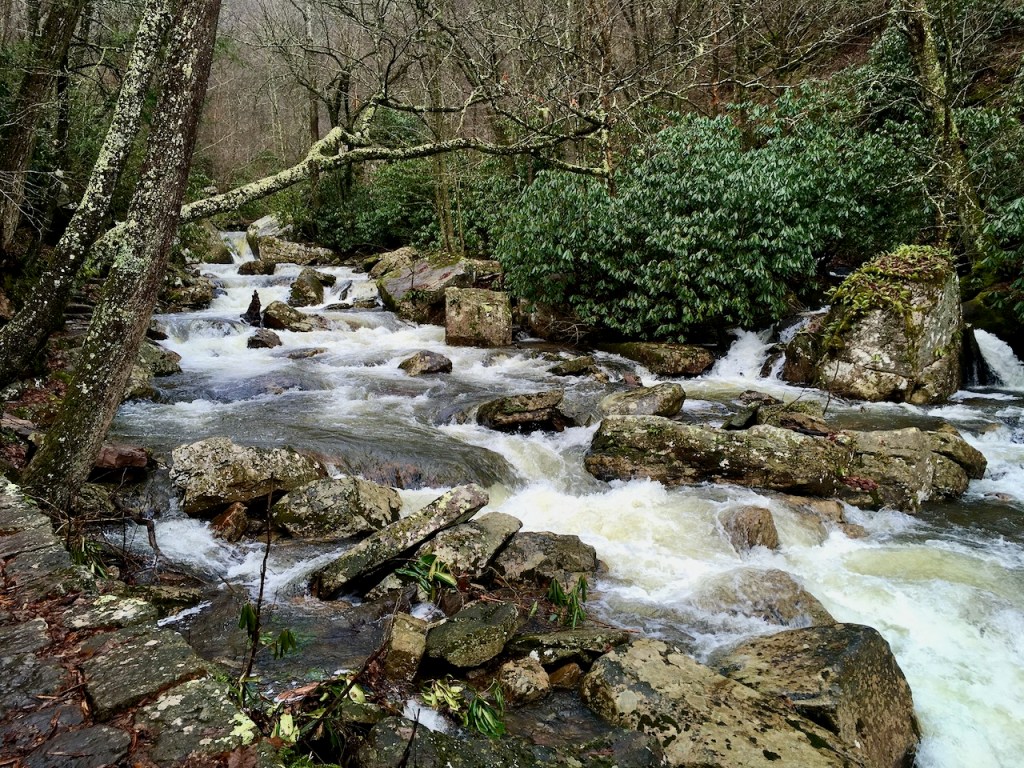
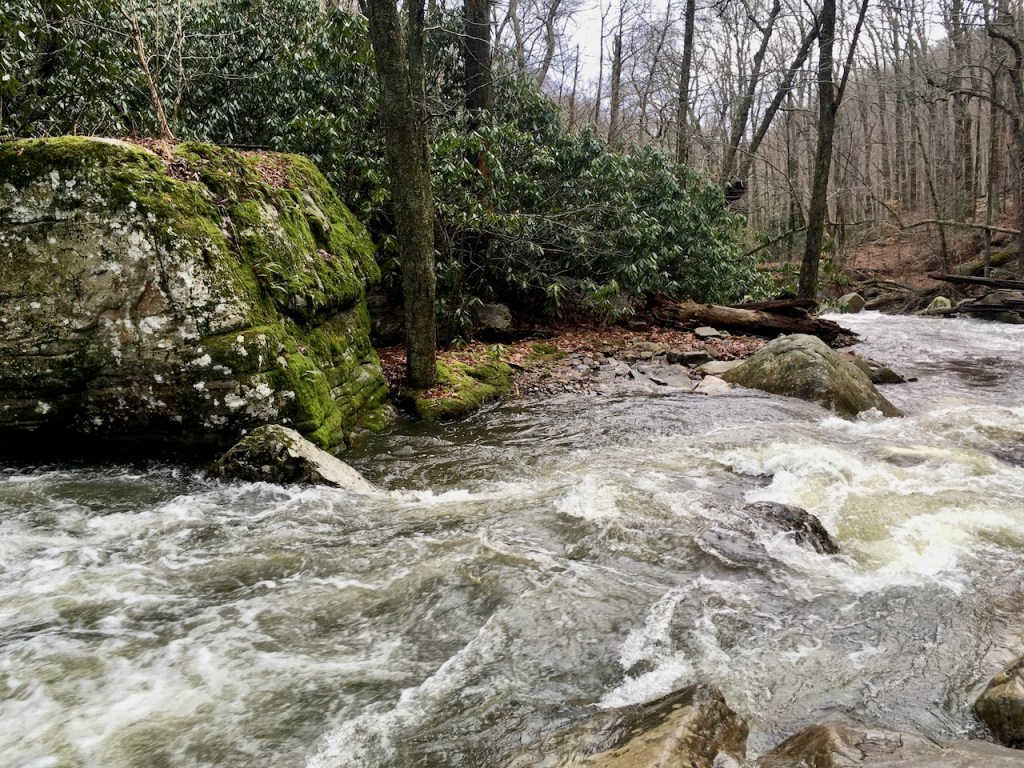
The Cascades, as always, delivered, with bright green mosses and ferns, and the broad green leaves of rhododendrons. The water of the creek roared so loudly beside us we couldn’t hear each other to talk. The constant rush of it scrubbed me clean from the inside. It felt good to be outside in nature.
Rushing creek and rhododendrons
Mossy tree
Mossy rock and creek
Small waterfall with icy cascadesThe big waterfall with flecks of snow falling.
I didn’t have my real camera with me, so these photos aren’t great. I ordered a new phone with a better camera, and when we arrived home from our hike, it was waiting for me. I’m hopeful it will make for better spontaneous photography when I’m out and about and want to snap photos.
A lot has happened in the garden since my last update in May. Flowers have blossomed and gone to seed, and now that we’re in August, butterflies are everywhere.
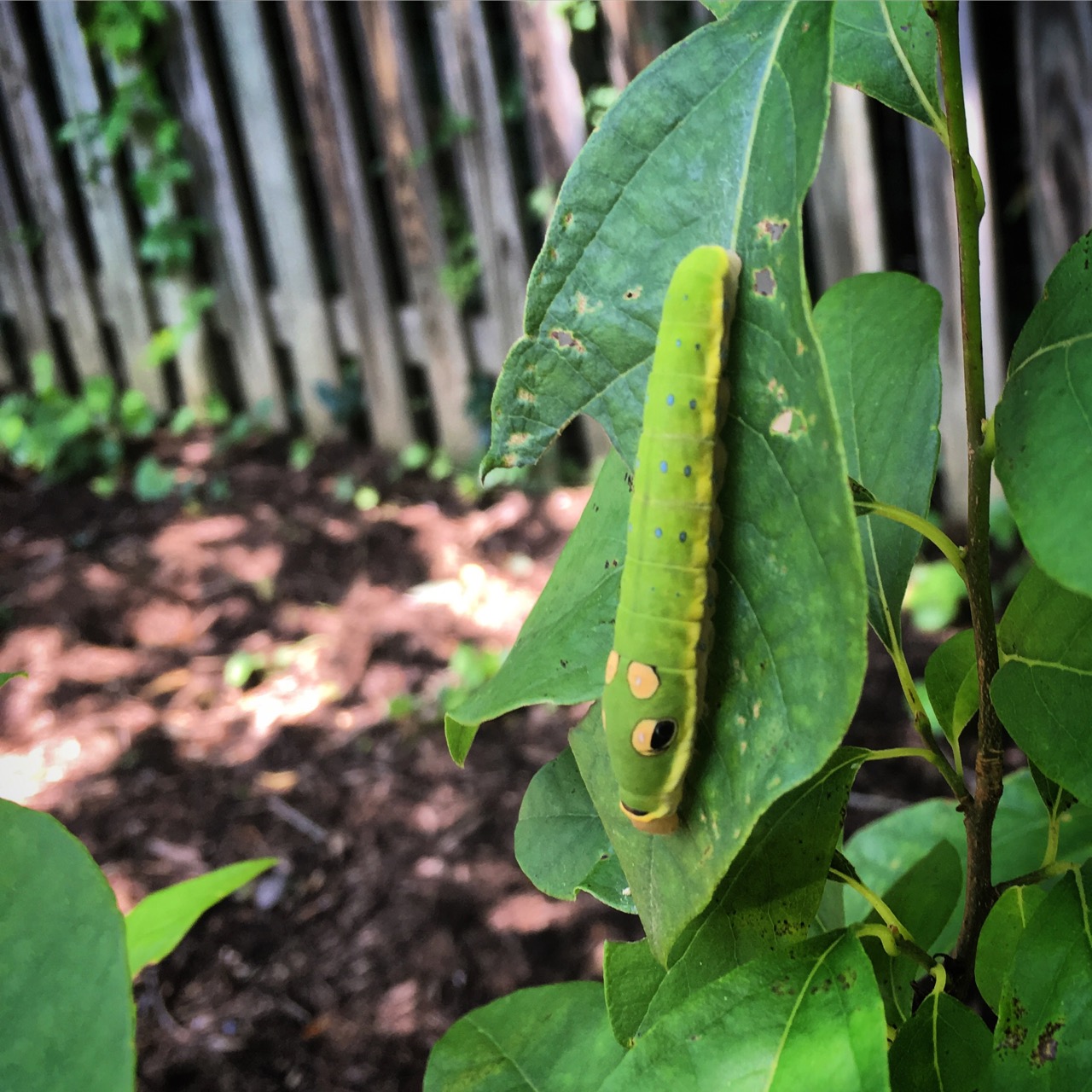
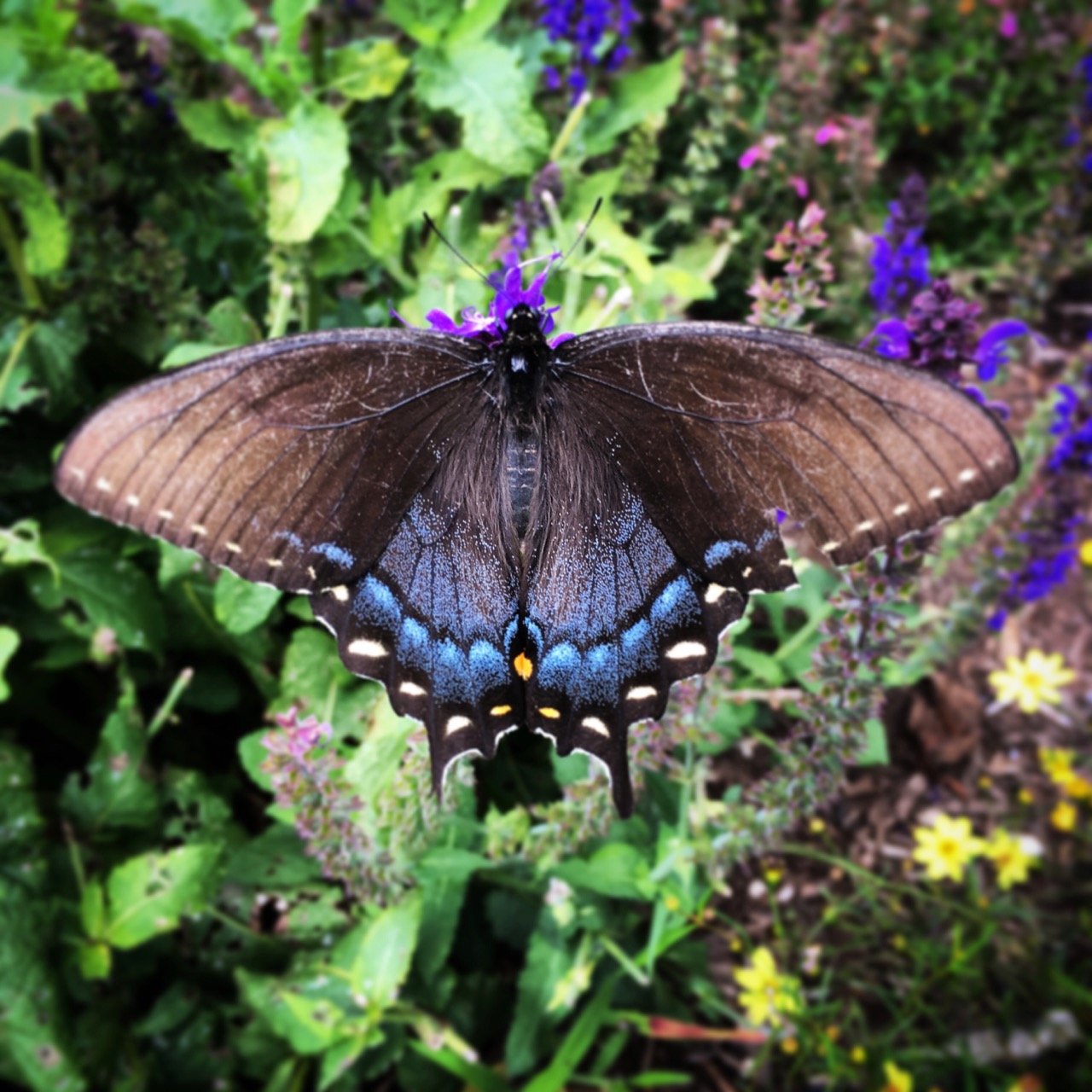
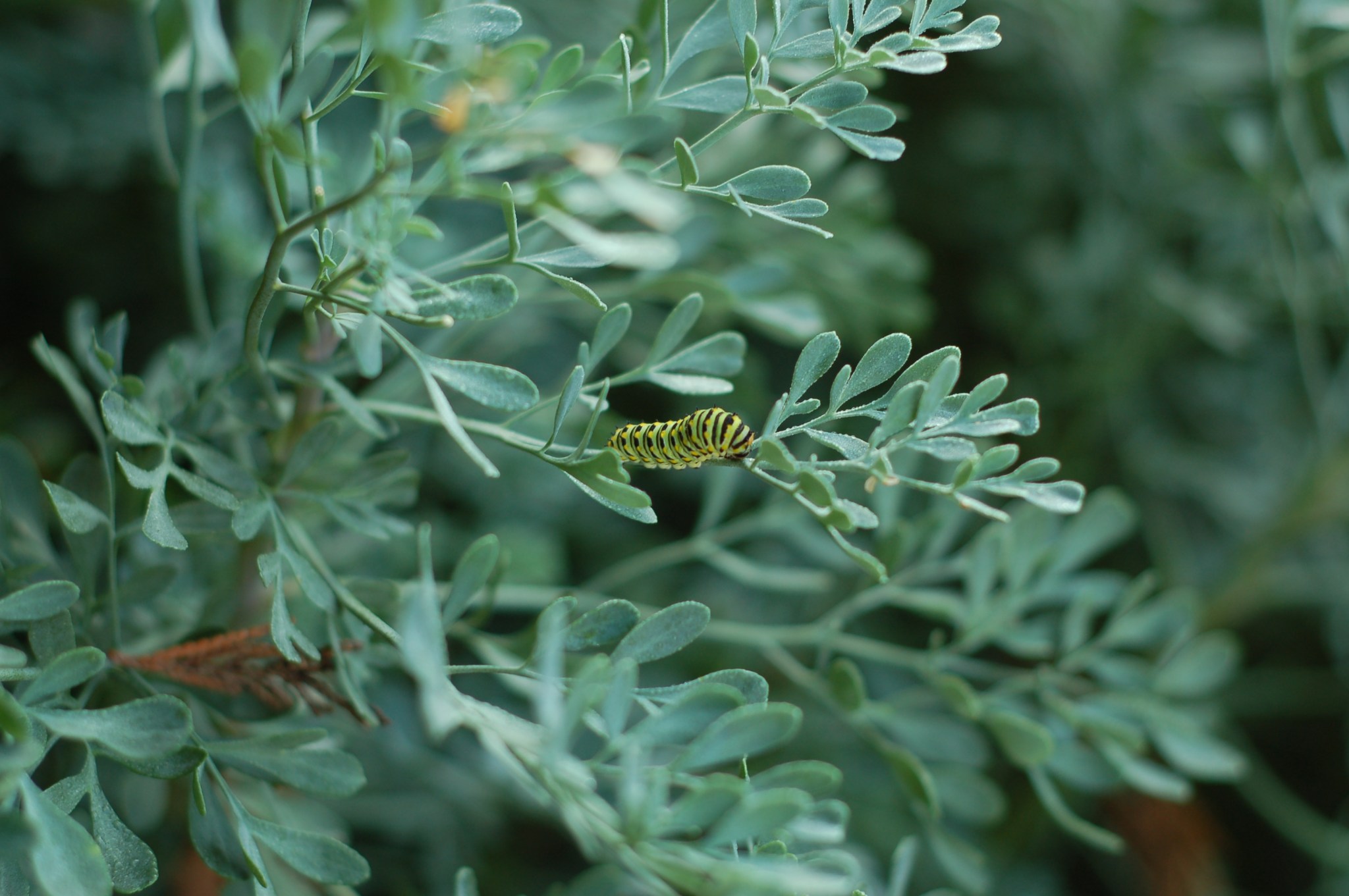
Everything starts out so fresh and clean in June, and by August things are looking pretty raggedy. But August is when the butterflies are laying eggs. Soon it will be caterpillar season and I’ll have to be patient with the spent plants — I’ll want to rip them out, but you never know when butterflies might be pupating under leaves. In a few weeks I’ll find chrysalises dangling from porches and fences, and then the new butterflies will be out drying their wings before their first flight. That’s worth letting plants hang out in the garden past their prime.
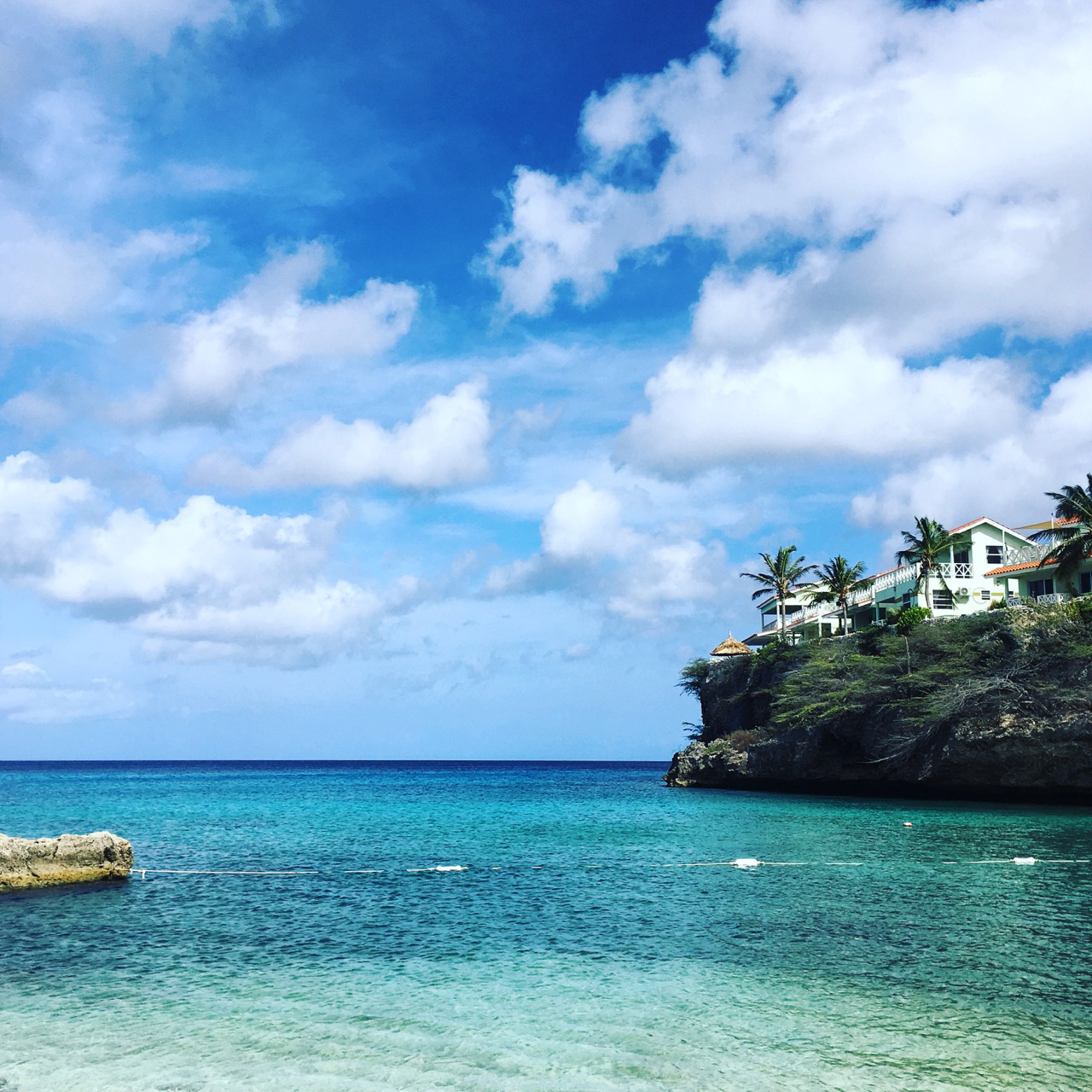
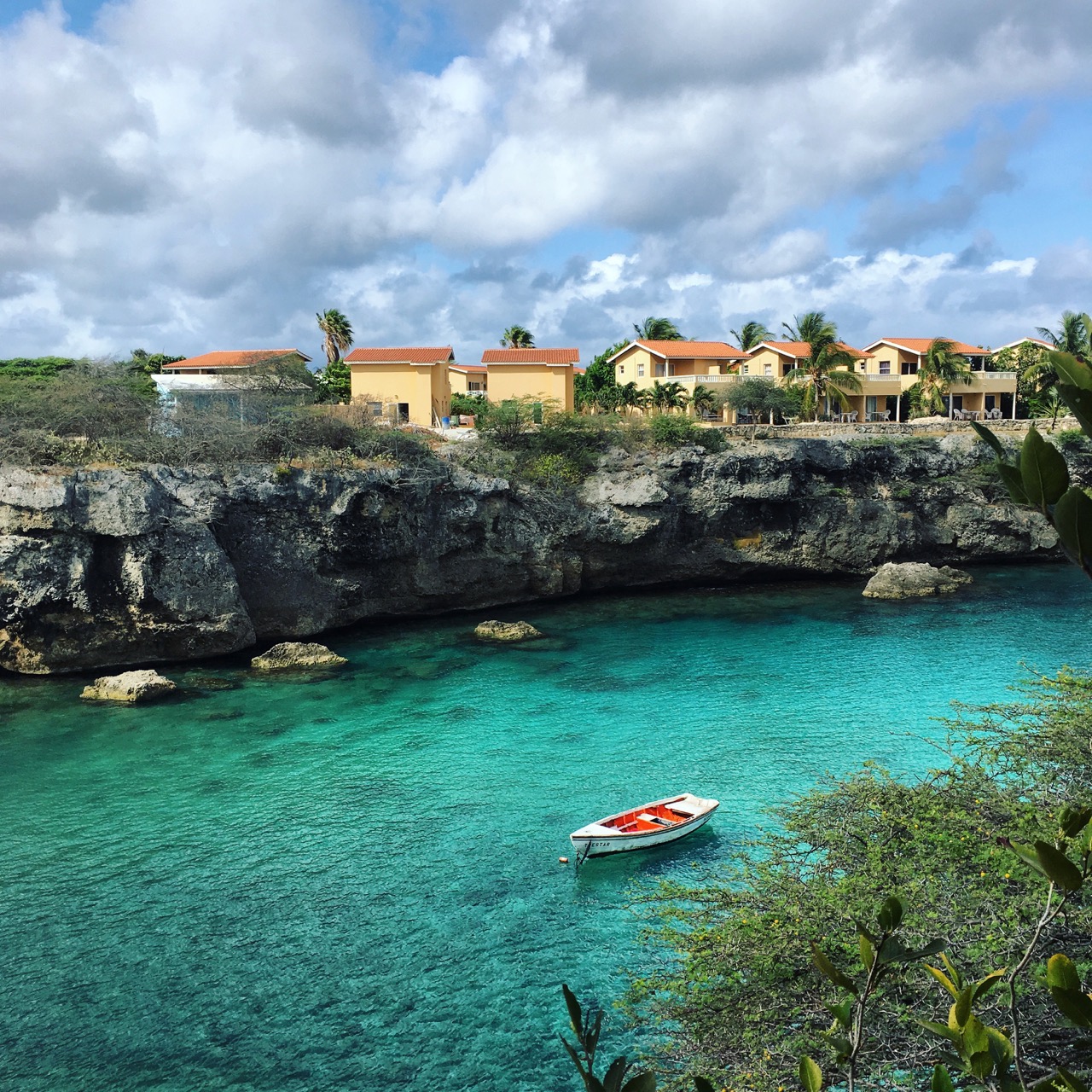
After exploring the wild windward coast of Curaçao and taking a trip into the capital of Willemstad, we opted to spend the rest of the week on the calmer west coast. We hit several different beaches, each of them offering something unique: sea turtles and easy snorkeling at nearby Playa Lagun, a wide sandy beach at Grote Knip (and cliff-jumping), cliff-jumping at Playa Forti, a working fishing harbor at Playa Piskadó, and a coral reef and dropoff at Playa Kalki (not pictured).
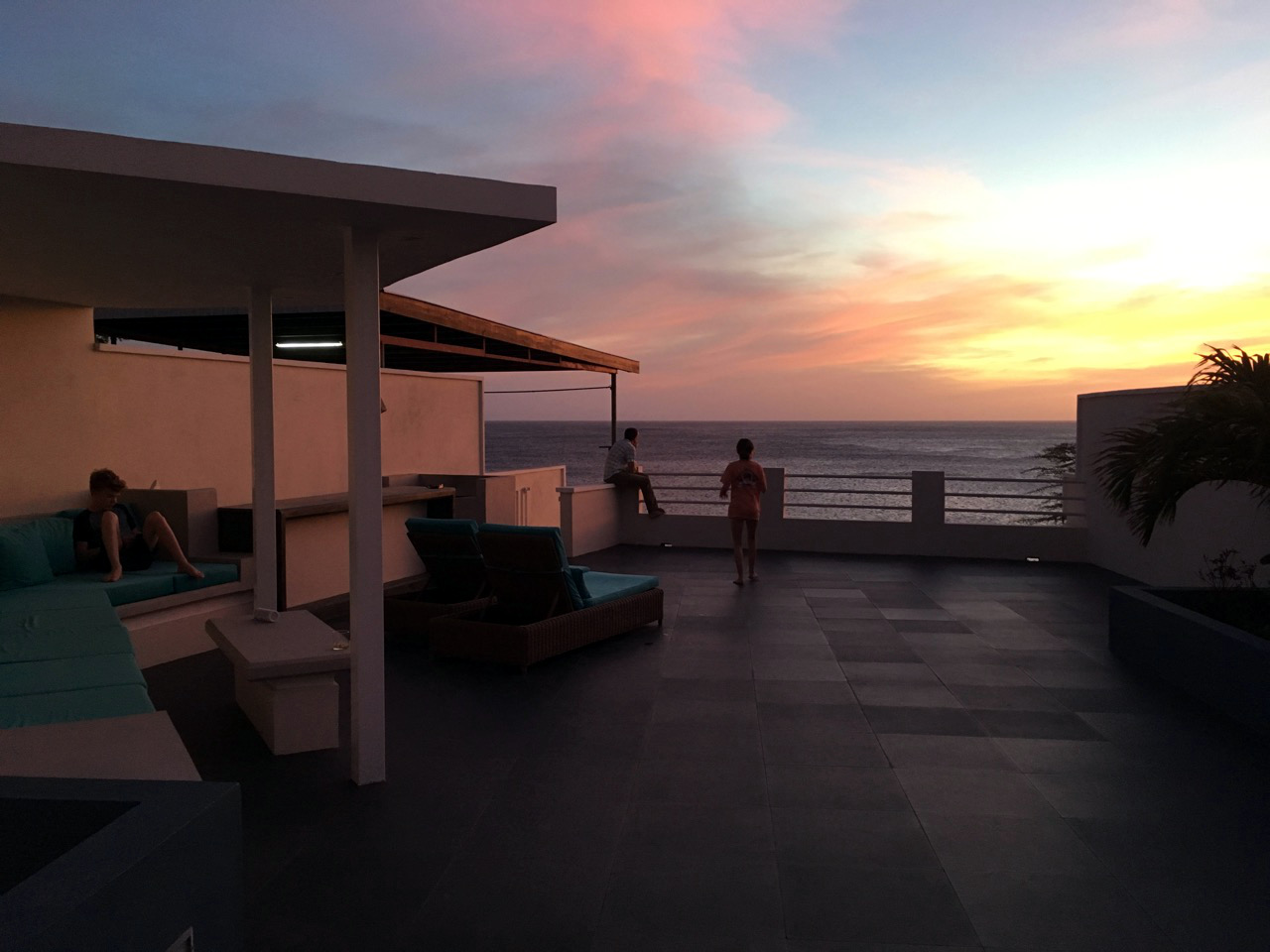
We ended each day with a snorkel off the platform at our Airbnb, some rum, and the sunset. After watching people jump off the cliffs at Grote Knip, I worked up the nerve to dive off the 6-8 foot platform at the place we’re staying. It feels really high up when you’re about to willingly leave firm ground to fall through the air, but being airborne for that slip of time, then feeling the cold water crash on the crown of your head, rush across your ears, and bubble along your skin as you bullet into the ocean is exhilerating.
Walking to Playa Lagun from our Airbnb
View from the beach at Playa Lagun: a 2-minute walk or a 5-minute swim from our place.
Fishing boat moored in Playa Lagun. View from the Bahia restaurant overlooking the cove.
Wide sandy beach at Grote Knip, about a 10 minute drive from where we’re staying. Lots of space to move around, saw a big starfish when snorkeling.
Someone contemplating jumping at Grote Knip
Drink at Playa Forti. I couldn’t go to Curaçao without drinking something with Blue Curaçao in it. This photo is from Blue View Sunny Terrace near Westpunt. Across the cove is a popular cliff-jumping spot. We hoped to see people jump while we ate, but all we heard was a splash — we missed the one jump that happened while we were there.
Coral beach at Playa Piskadó. Kind of painful with bare feet.
After spending our first day of vacation hanging around our Airbnb on the leeward coast, we were ready to explore the wild side of the island on our second day. We hopped in our rental car and drove up through the northern end of Curaçao then cut over to the eastern coast: the coast that endures the relentless pounding of waves driven by easterly trade winds.
We parked the car near the ticket stand at Shete Boka national park, then set off on foot across the Mars-like landscape to witness the crashing of blue water against sharp limestone cliffs.
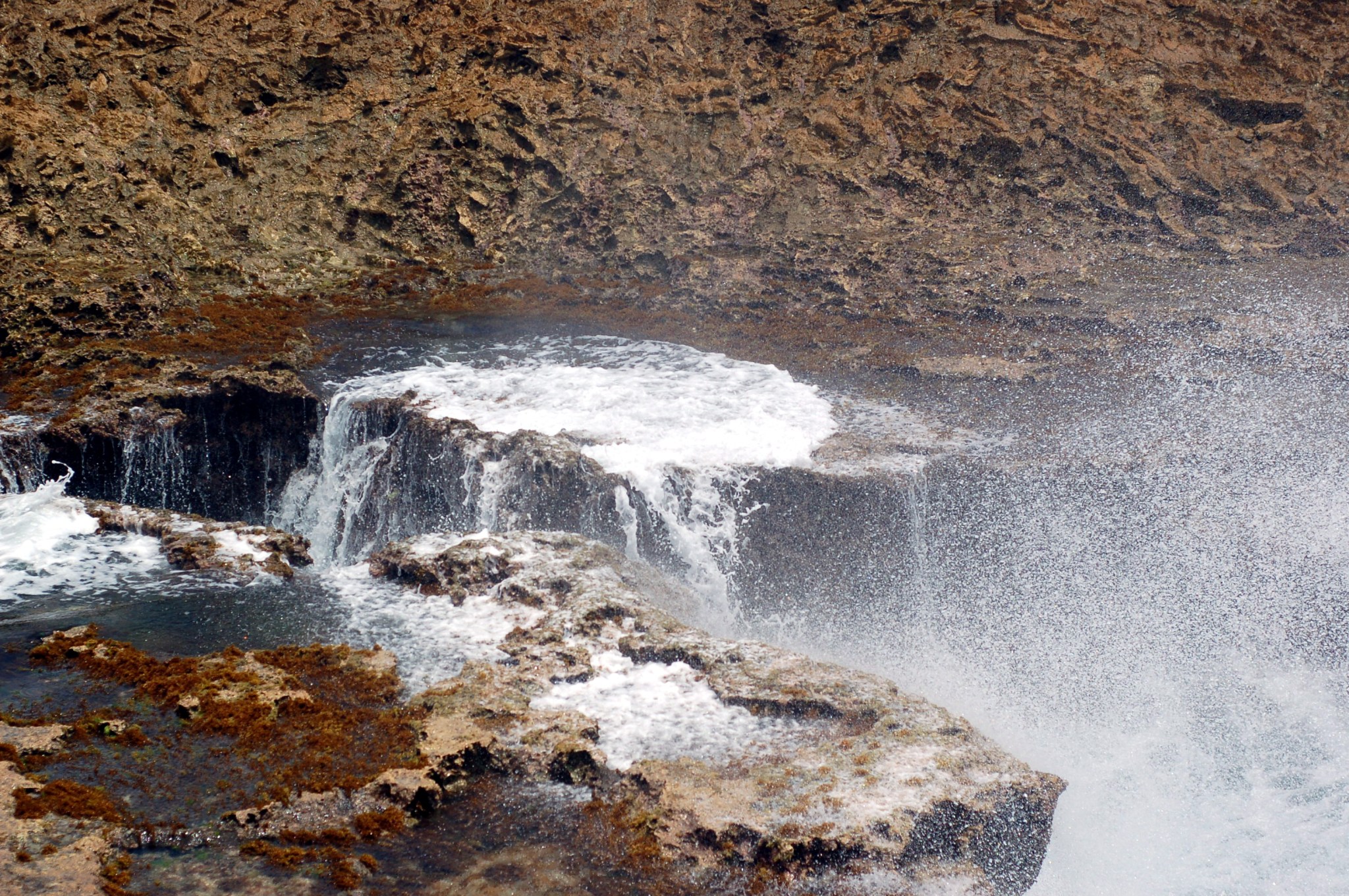
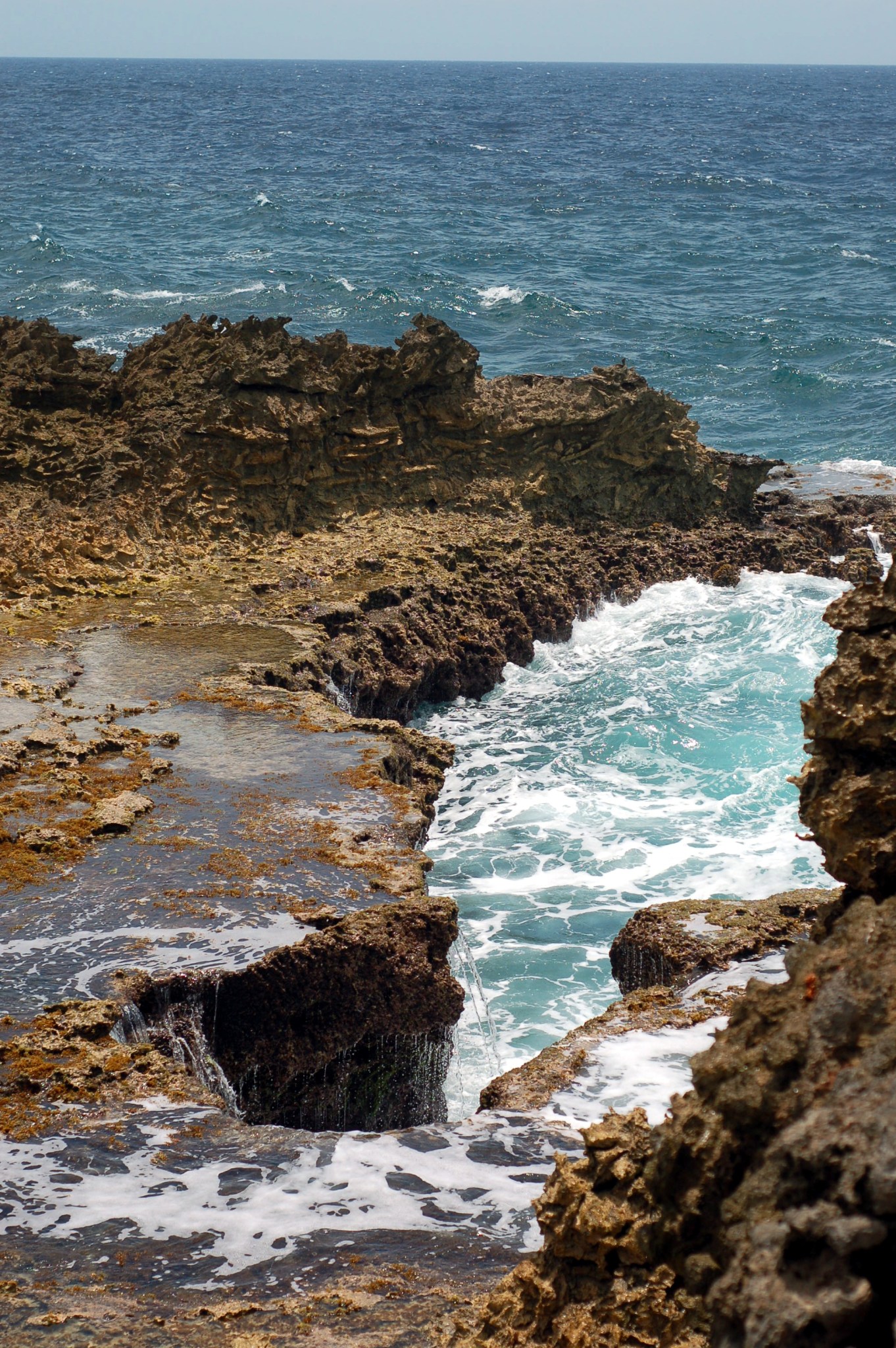
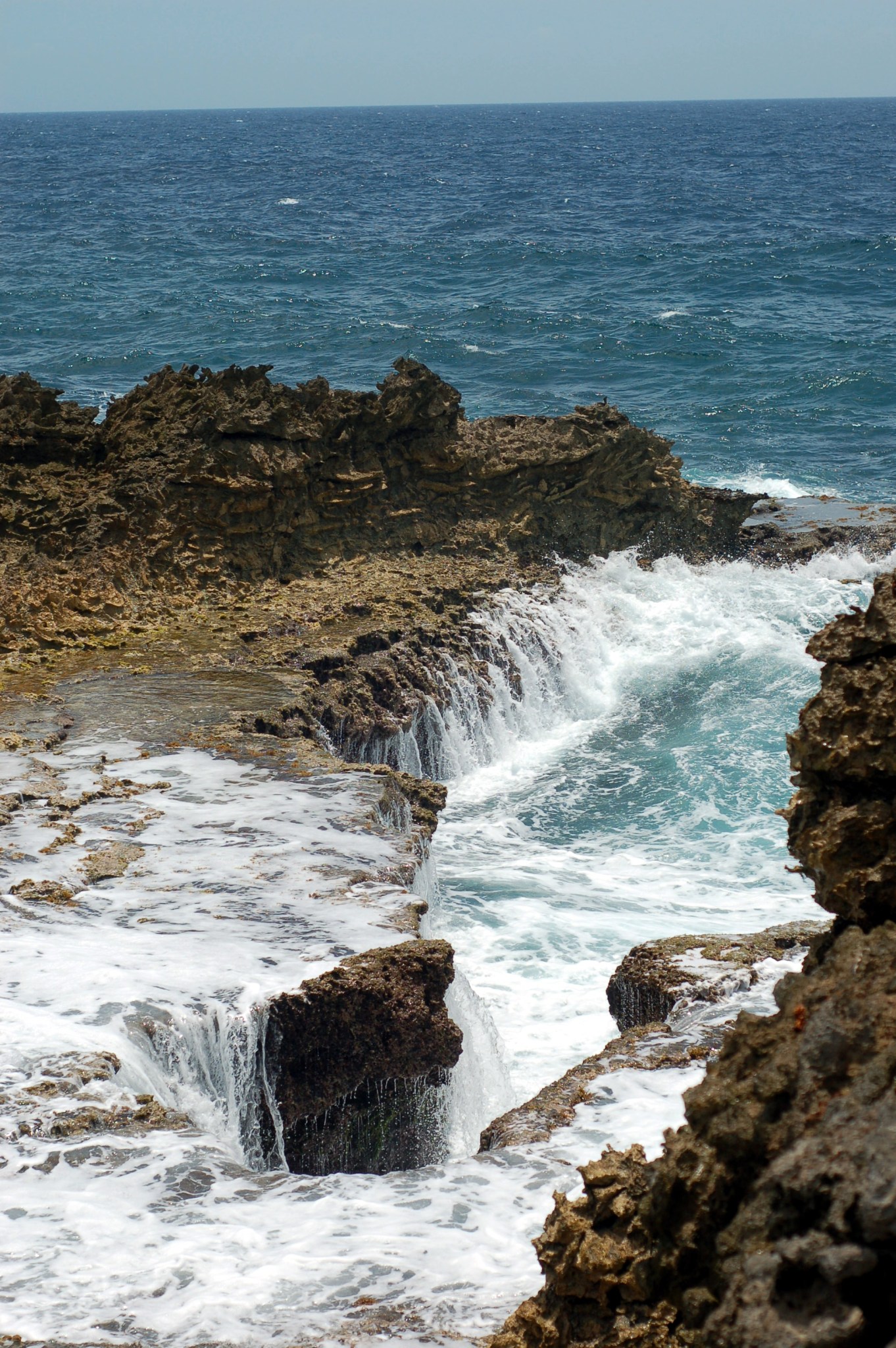
The most amazing part of the park, aside from being surrounded by the magnificence of all that ocean energy pounding against ancient rock, was a formation called Boka Pistol. Along the windward coast is keyhole shaped inlet. As waves rush in, run out of room, and continue to fill the space anyway, air gets trapped in the formation, then makes a thunderous hollow boom before the water, with nowhere else to go, crashes into rock and sprays back out to sea. BOOM-pssssshhhhhhhhhh. We watched wave after wave crash, boom, and spray, each one leaving me breathless with anticipation: how loud will it boom? How high will it splash? Which direction will it shoot?
Along the coast at Shete Boka National Park, Curaçao
The barren landscape of a desert island
Cactus and clouds
Flat pools constantly awash at Boka Pistol
Boka Pistol formation before water rushes in
Pistol shot of a wave crashing into the keyhole
And the wave recedes
Incoming swell
BOOM
And back out to sea
I can’t get enough of this glacier blue water.
Stone cairns on the land next to Boka Pistol
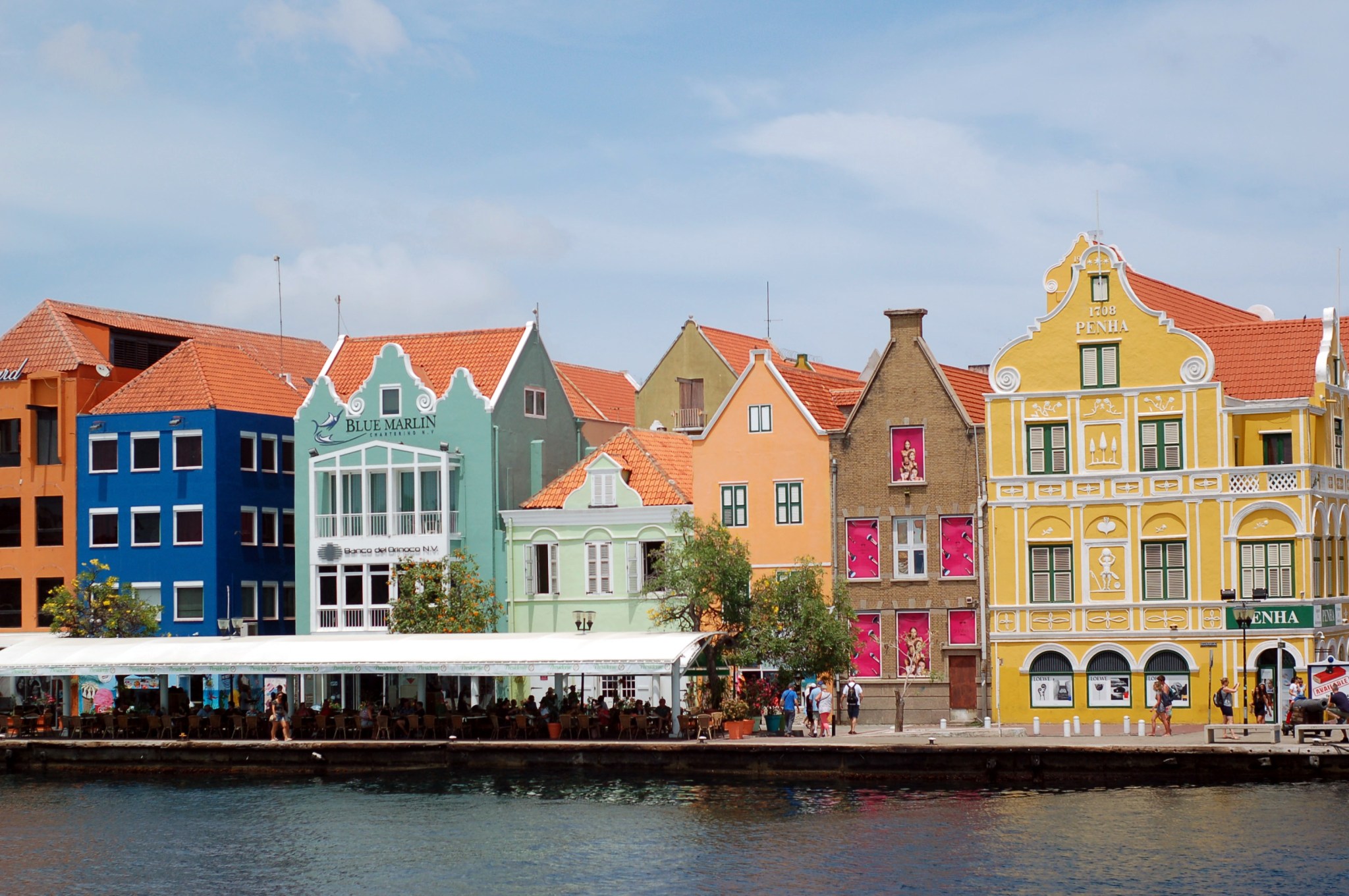
After the barren wildness of Shete Boka National Park, we went about as opposite a feel as you can get on the island: we got back in the air-conditioned car and drove down to the capital city of Willemstad for lunch. The city is adorable with its brightly colored buildings. I drank a piña colada with my lunch of snapper in a coconut sauce as we sat by the harbor and watched the floating bridge swing open for a catamaran to pass through. The air was still and hot compared to the strong ocean breeze up on the limestone bluffs of Shete Boka. My main wishes for our town visit were to see the colorful city and to see if pastries are a thing here, with its strong European influence. When our waiter couldn’t give me the name of a single pastry shop nearby, and I had already seen the pretty buildings, I didn’t feel the need to come back to town. I like the wild stuff better.
Willemstad and floating bridge from inside fort that guards the harbor entry
Willemstad. We ate lunch under the awning along the water.