
I think we got about 15 inches in Blacksburg, Virginia. Our daughter and I made her birthday cake (tiramisu) and dinner rolls for her birthday dinner while the snow came down.


Rose & herb bed in snow

Snow coming down

Snow plow
I think we got about 15 inches in Blacksburg, Virginia. Our daughter and I made her birthday cake (tiramisu) and dinner rolls for her birthday dinner while the snow came down.
We’re having a bit of a pie crisis. Our daughter had her heart set on a strawberry rhubarb pie, which we made last year and it was everyone’s favorite. This year, I’ve been to 6 grocery stores and cannot find rhubarb anywhere. The Krogers say they haven’t been able to get it. The Food Lions don’t have it. Our local natural foods store, Eats, hasn’t seen any in a while.
The family all agreed we also want cherry, so we have one pie for Thanksgiving. It’s on this second pie that we’re falling apart. I want pecan, our son wants apple, my husband already made a pumpkin pie because that’s what he wanted and he knew nobody else would want it on Thanksgiving. Our daughter, distressed by our inability to make her first choice, can’t put her finger on what she wants instead. As is often the case when the first choice is a bust, nothing else compares.
She said she wants to try something new. Something we’ve never made. When I asked what she wanted, she couldn’t articulate it. “Some kind of small pastries, like individual ones.” Sounds easy :|.
We’re all kind of hovering around apple pie, and our daughter mentioned maybe some kind of apple tarts would do. I told her about the best apple pie I’ve ever had, which was made with a shortbread crust, and how I tried to replicate it once but working with the shortbread resulted in nearly as much swearing as caramel cake. She knows this level of swearing. We’ve made caramel cake before.
“I bet if we did small pies, we could use shortbread and it would be easier to work with,” I said. “And we could make a crumble topping for something different.”
She likes this idea. So the question now is this: how do we make these pies? If you’ve ever successfully made mini apple pies with shortbread crusts and crumble topping, please help! My primary questions are these:
Thank you!
I’m not sure what happened, but I’ve been tearing through books — and their writeups — for my Andrea Reads America reading project. Maybe it was the realization that I’ve been at this for five years now. Maybe it’s the time of year. Or maybe I just needed to unblock myself by reducing the number of blogs I maintain from six to two.
Whatever it is, I like it. In the past two weeks I’ve published book roundups for three states: New Mexico, New York, and North Carolina. I’m not saying the writing is good, but at least the posts are done.
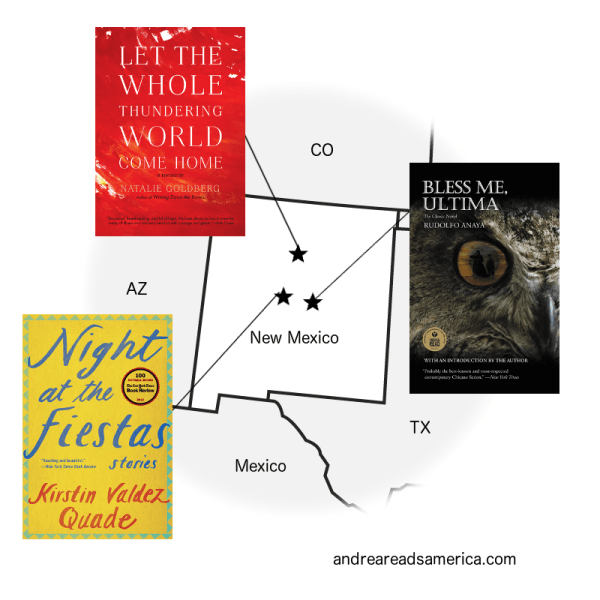

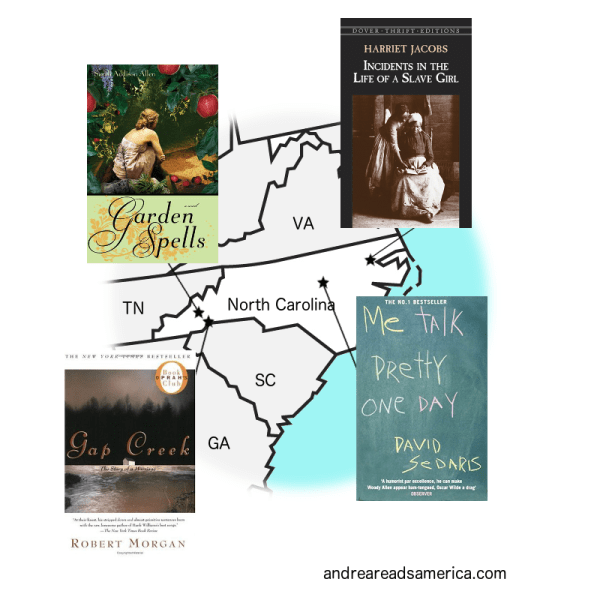
Publishing the writeups is the hardest part of my reading project and is what slows me down. Maybe part of my recent spree is that I’ve stopped putting pressure on myself for those roundups. I treat them more like a diary — I write as if nobody is reading.
Given this recent spurt of activity, I’m wondering if I can finish this project by the end of 2019. I’ve got 17 more states to read. At 3 books per state, that’s 51 books in 13 months, or 4 books per month, or 1 book per week. Plus all the writeups.
Hmmm, maybe that’s too ambitious. Though I published these writeups within two weeks, I didn’t read all 12 of the books within two weeks. I think I was almost finished reading New York before I even began writing up New Mexico. And I often find it hard to stop at just 3 books per state (see New York above).
I’ll see where I am at the end of 2018 and then decide. With the end in sight, I’m getting pretty excited about what I’ve read so far, what’s left to read, and what it’s going to feel like to have done this.
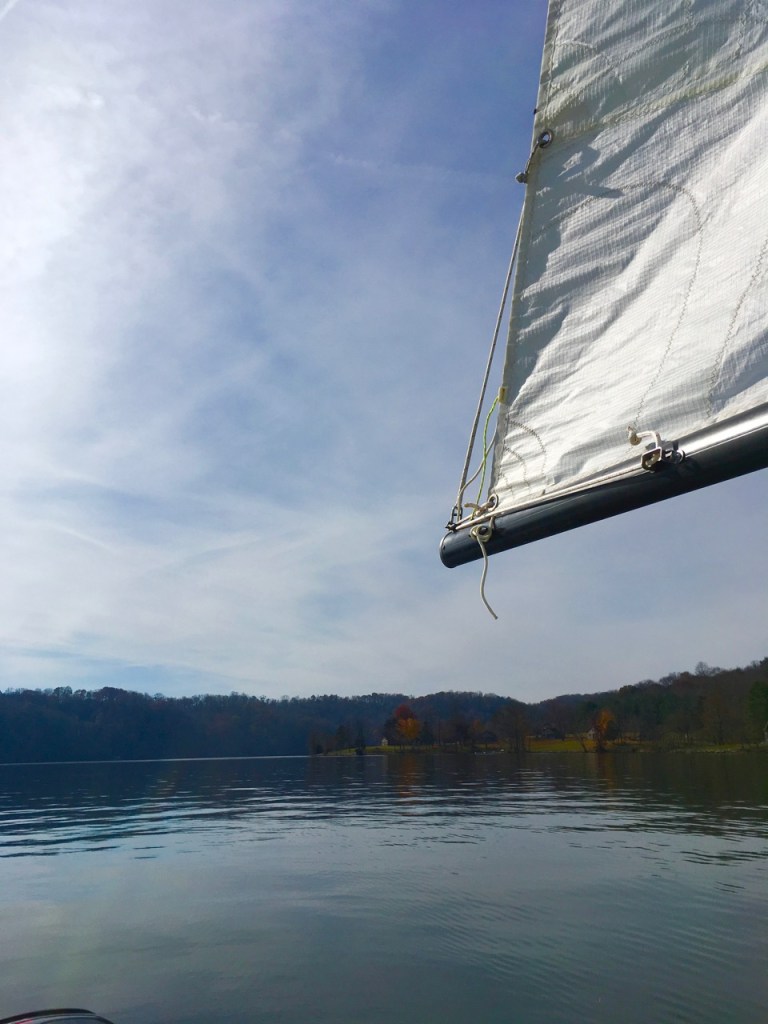
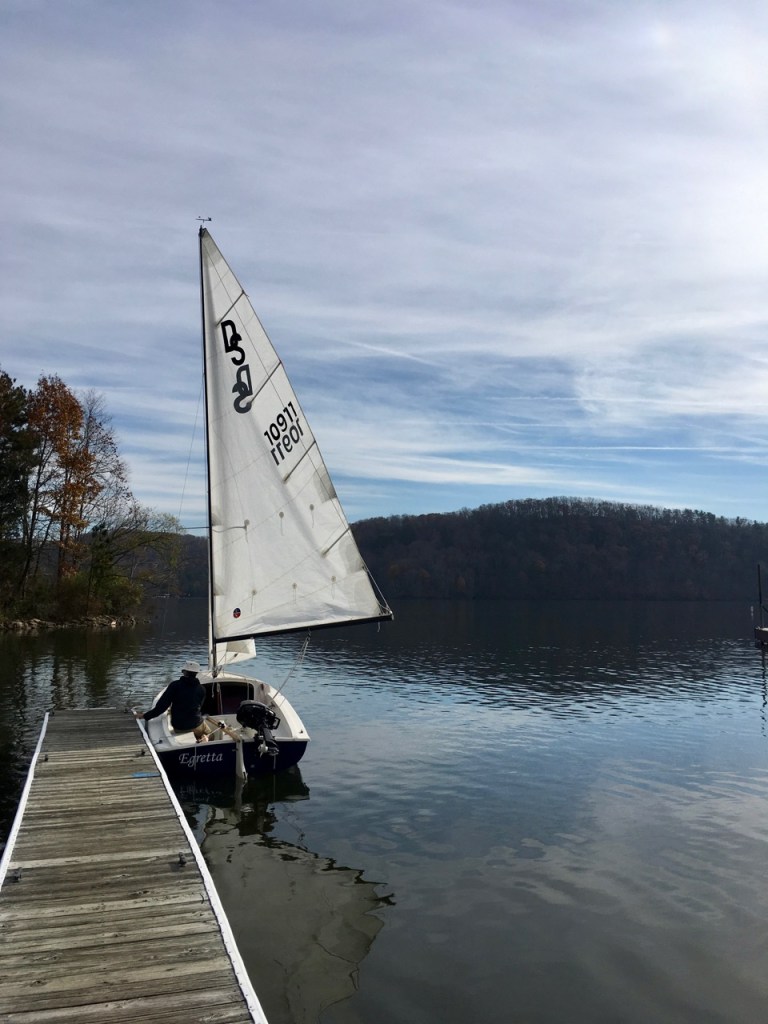
When we took our boat out a couple of weeks ago, I thought it would be our last sail before winter. I was wrong. Yesterday it was warm enough to layer up for a couple of hours on the lake. Even if there wasn’t going to be any wind, we wanted to be on the boat.
The peace that comes with the silence of a November sail is a rare gift. Most people have pulled their boats out of the water by November, and for those whose remain, it’s too chilly to be on the lake. What that means for us is a flat, wake-free surface and enough quiet to hear the sploosh of a fish, the gurgle of our hull moving through calm water, and the honks of Canada geese echoing off the mountainsides.
When the lake is smooth, our little sailboat can be moved by the slightest breath of wind. Without boat wakes to break our light momentum, we glide along in liquid silence. It is one of the most soul-satisfying feelings I know.



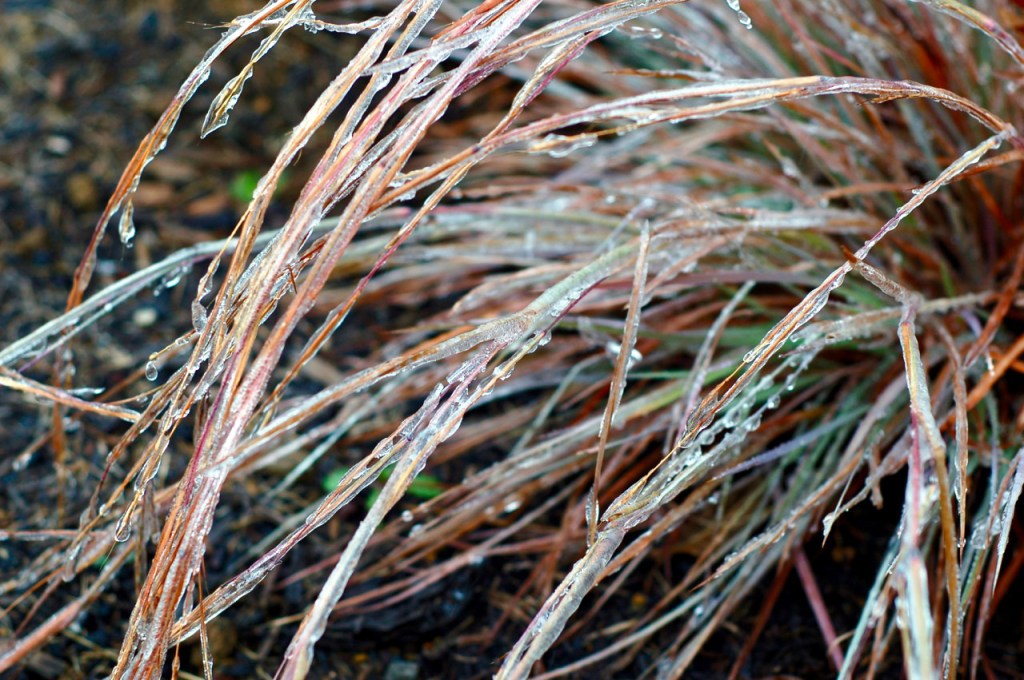
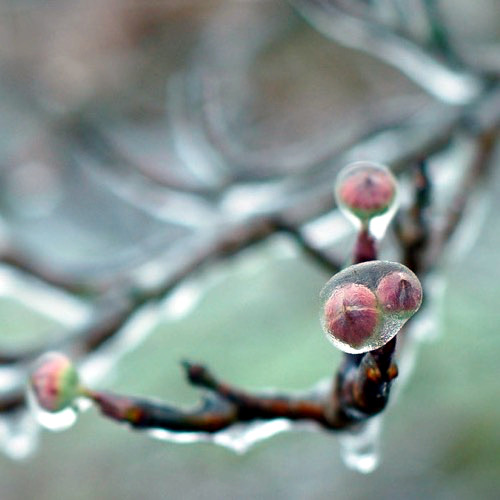
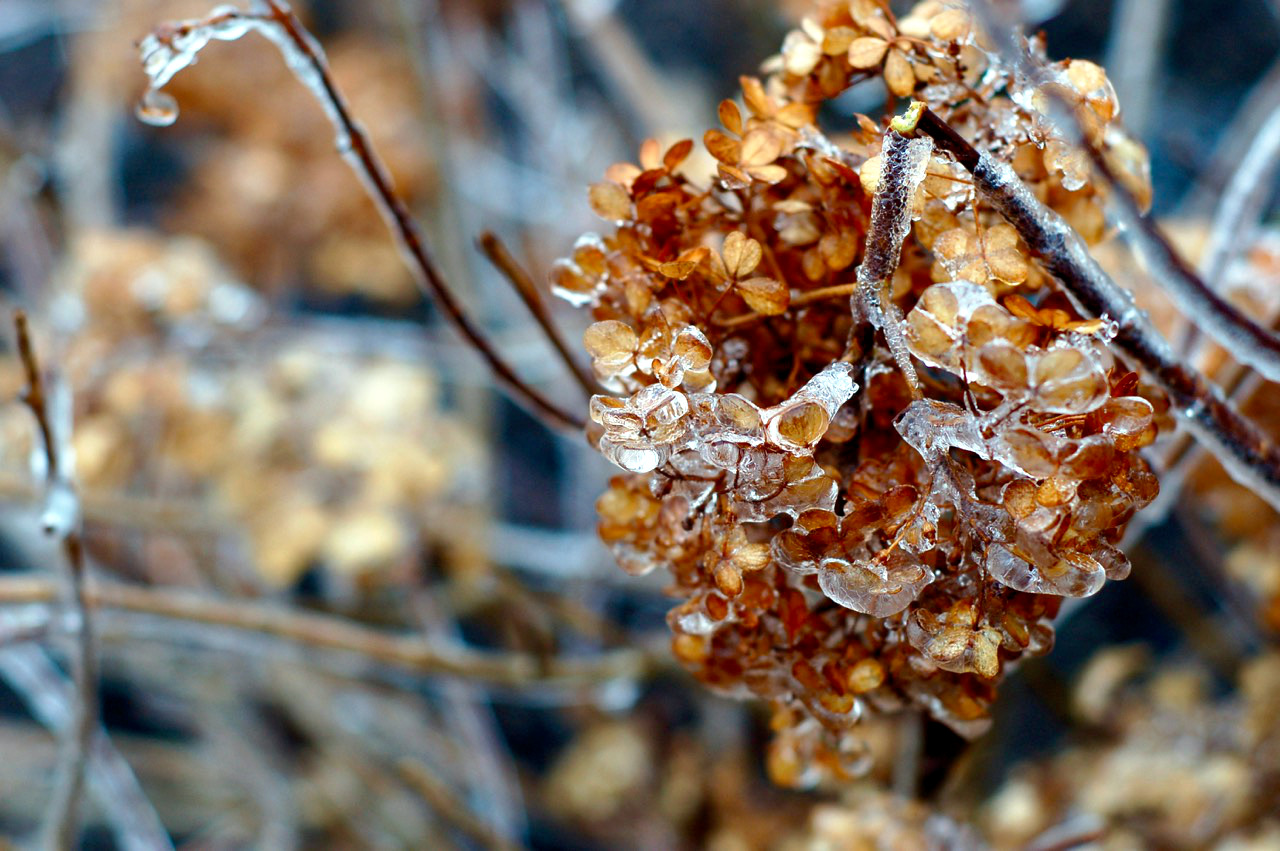
It’s rough getting winter storm warnings in autumn. The kids were out of school yesterday, with inclement weather days chipping away at their summer break before we even get to December.
But ice sure is pretty.


A few years ago, I wrote about research that suggests literary fiction helps us understand one another. In making a concerted effort to read beyond the authors I typically read, I think now it’s not just literary fiction that helps us understand one another: it’s diversity of perspectives.
With my Andrea Reads America project, I’m reading women, men, and authors of color from every state in the US. Reading this way has made me realize how narrow a point of view I read previously (primarily white & straight, usually male authors), and therefore how narrow an understanding I had of the world. Even of myself as a woman. In both pleasure reading and reading for school, I read thousands of pages in which women didn’t even appear except to serve men. Prostitutes. Mothers who appeared to feed and pamper their sons. Adoring girlfriends and wives who were removed from the scene when the real action, the real story, the transformation of characters took place. Likewise, people of color rarely made appearances, and if they did, it was as inferiors, as people to be mocked, insulted, or feared.
As a woman I rarely saw anyone who looked like me doing anything interesting in the classics and the literary fiction I read. Women and people of color were secondary, powerless, and were often insignificant enough to be omitted completely.
As a result, I overlooked their perspectives.
My reading project has changed that. Intentionally reading a diversity of authors has brought those discounted stories forward. This has been a powerful experience. I’ve been exposed to perspectives that were easy to ignore without reading their stories. I feel heart-wrenching sadness, and oftentimes rage, on behalf of native Americans, African Americans, immigrants, and women.
The mothers are afraid to have more children, for fear they shall have daughters, who are not safe even in their mother’s presence.
— Life Among the Piutes by Sarah Winnemucca Hopkins, published 1883
I stopped reading in disgust when the paper said that the police didn’t use clubs or pistols against the rioters. If that wasn’t a billy club that cop used on that colored man’s head, then I was stone blind.
— Daddy Was a Number Runner by Louise Merriweather, published 1970
Miss Celie, You better hush. God might hear you.
Let ‘im hear me, I say. If he ever listened to poor colored women the world would be a different place, I can tell you.— The Color Purple by Alice Walker, published 1982
Bethel Jenkins, his mama, had raised no fool. Jenkins had sense enough not to wear his best suit or his best shoes down to the police station to see Michael Cronin. Clean and slightly threadbare — that was the best way to dress for talking to the white folks.
— River Cross My Heart by Breena Clarke, published 1999
It is not mine, she thinks, this blue and gold Indiana morning. None of it is for me. Between the flat land and the broad sky, she feels ground down to the grain, erased. She feels as if, were she to scream in this place, some Indiana mute button would be on, and no one would hear.
— The Girl in the Tangerine Scarf by Mohja Kahf, published 2006
It was easier to let him keep on touching me than to ask him to stop, easier to let him inside than push him away, easier than hearing him ask me, Why not? It was easier to keep quiet and take it than to give him an answer.
— Salvage the Bones by Jesmyn Ward, published 2011
We’re the unknown Americans, the ones no one even wants to know, because they’ve been told they’re supposed to be scared of us and because maybe if they did take the time to get to know us, they might realize that we’re not that bad, maybe even that we’re a lot like them. And who would they hate then?
— The Book of Unknown Americans by Cristina Henriquez, published 2014
The gift of art is that it opens our eyes to the reality that surrounds us every day but that we might not see. Fiction can show us the experiences people who are not like us, and hold a mirror for those who are. Fiction can awaken us. I am humbled by the stories I’ve read. They are not long-ago history. They are the very real backstory to our societal norms, and they are inexcusable in our past and in our present.
 Butterfly Mind