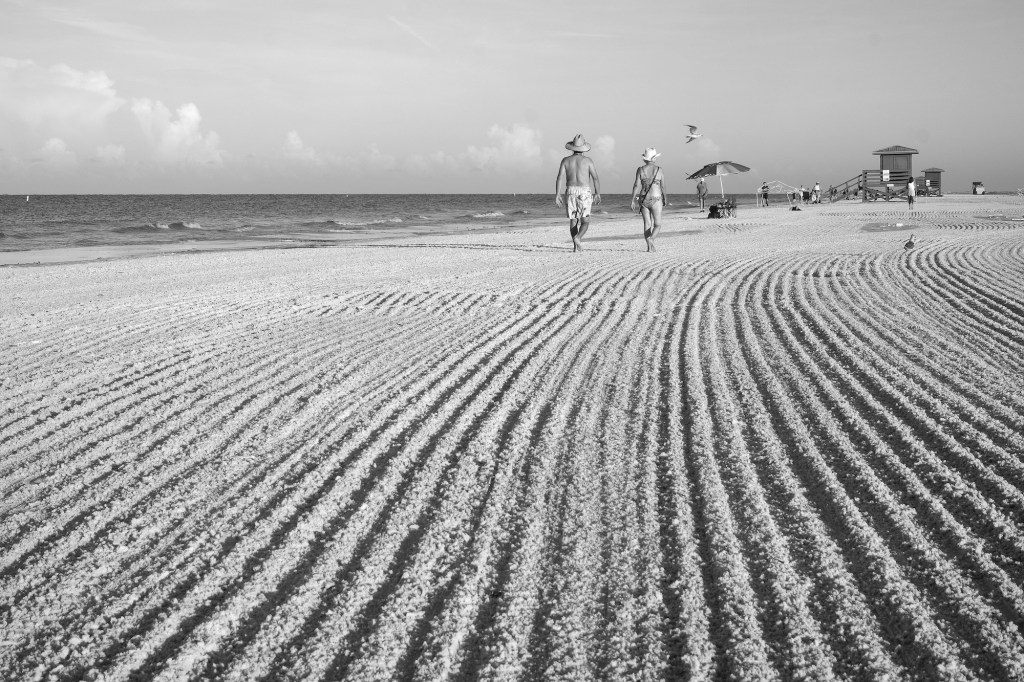
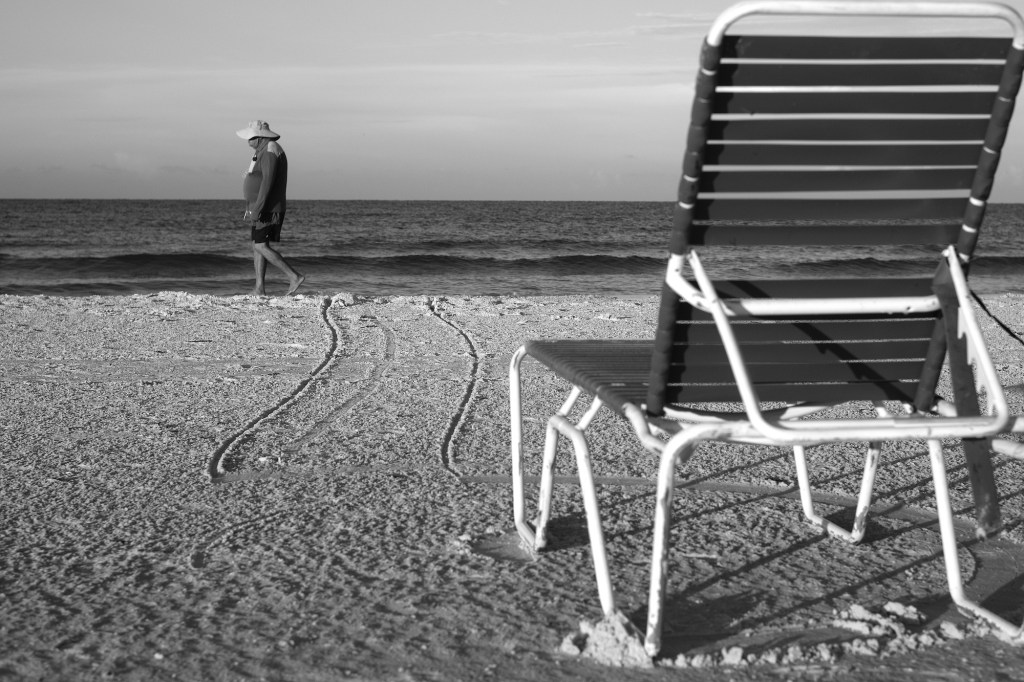
We’re visiting family in Florida. Yesterday, I woke early to walk on the beach before it got boiling hot. I took my camera with me, and it turns out I didn’t end up walking very much. I wanted to play with some of the basics I’m learning in my photography class — motion, leading lines, contrast — so I ended up stopping every few feet to snap photos. I also wanted to mix it up a little with my photographs; I’ve got a thousand shots of the Gulf of Mexico being the Gulf of Mexico in it’s beautiful blues and greens. I switched to black and white, and I had fun capturing the beach in a totally different way.
I started a new photography blog to help me curate some of my favorite photos and also track the camera settings on them so I can learn. It’s at photo.andreabadgley.blog if you’re interested.
I feel lost when I don’t have a good book to read. Sometimes I just can’t figure out what I’m in the mood for, and my whole life suffers as a consequence. Everything becomes duller.
This recently happened to me. I went through a string of books that were only okay, and after a few books like that in a row, I got listless and apathetic and nothing sounded good and I wondered at life’s purpose. I tried Don Quixote and put it down. I tried a few other things I can’t remember and put them down. Everything I had on hold at the library had a 4-8 week wait, and I rarely buy books unless I know I like them and will read them again. I especially don’t buy books when I’m in a mood like I was in, where there was a real possibility I could read 5 pages and not be into it anymore.
When this happens in my reading life, it affects my regular life. I pace. I wander aimlessly. I pick things up and put them down. I don’t know what to do with myself. I feel unmoored.
Finally I decided to re-read something I know I like, something light and fun and that has characters I want to spend time with, that’s a known quantity, that’s not too long, and that I could get my hands on without waiting. I reread The Weird Sisters by Eleanor Brown.
It did the job. I felt happy about reading again. Life got colorful again. I read another book after it that I was eager to read and that made me giggle (Either/Or by Elif Batuman), and I remembered authors I want to read more of (Jane Smiley). I filled my book queue with fresh titles that I’m excited about, some of which I’ll have to wait for and some of which are available to borrow right now.
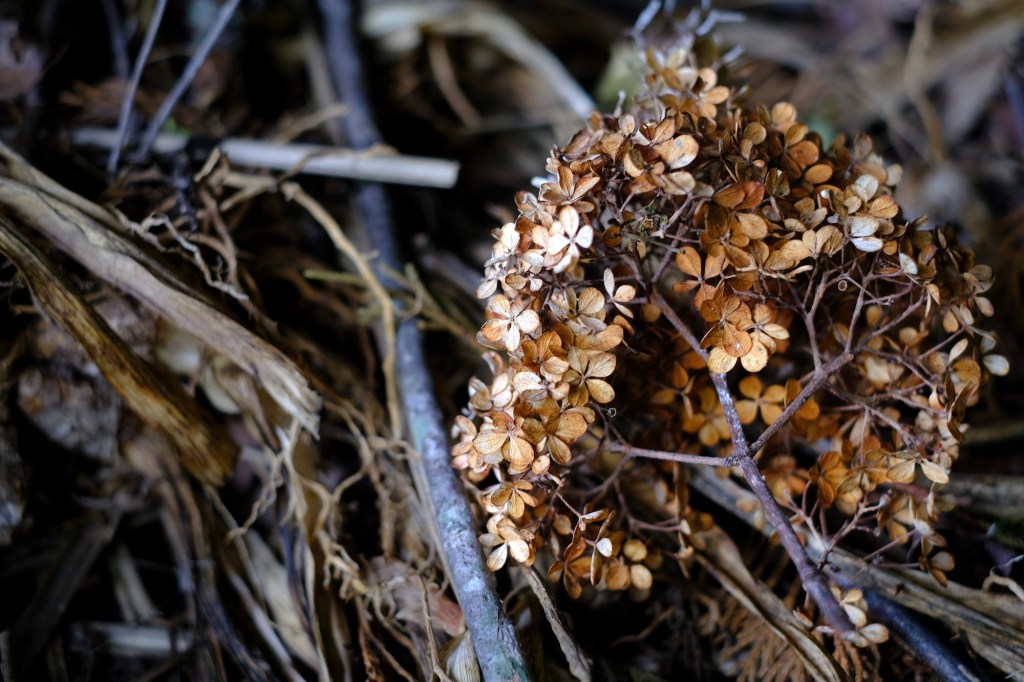
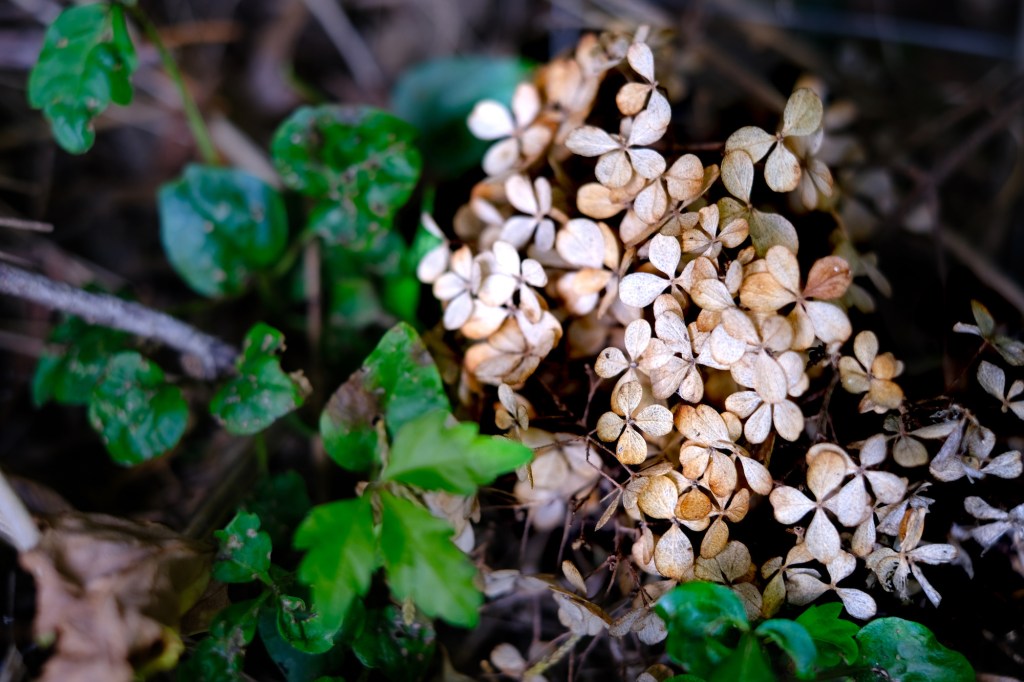
Sometimes decay can be beautiful. I walked the garden one day looking for dried and cracked textures, for discarded parts, for nature in a state of decomposition. For something different than I usually look for. There is so much to see when when you look beyond the fresh bloom at the beginning of life. This was a a wonderful reminder to observe more than the obvious: flowers and butterflies are beautiful in all their colorful glory, and so are brown branches and brittle dry flower petals.
Remains of cut flowers in the compost pileHydrangea in the compostA rose bloom in its death throesHydrangea in the leaf litter
Of course, all of these dead and dying things are fodder for other life: ants, fruit flies, centipedes, and worms all feed on them. Rain and wind, friction and feet, biting mouths and digestive tracts break them down until they are dirt again.
And sometimes, before that happens, a creature will gather these shed strands, forgotten fragments, and castoff clumps into soft shelters for new life to be born.
A recent work trip to France and then a family trip to Iceland have rekindled my interest in photography. I had gotten bored photographing our garden over and over again — same flowers, same mulch, same butterflies and caterpillars — and I’d gotten in a rut. When we were in Iceland, everything was new (and gorgeous), and I took my camera with me everywhere while we we there.
Since we returned, I want to keep going. Photography helps me see the world with fresh eyes. It helps me find interest in the mundane, in the stuff that’s so much a part of life that I don’t see it as potential for art. This is a theme I’ve found in writing, too. We rarely stop to acknowledge the beauty in the routine things we take for granted, or we minimize their curiosity because they’re so normal and everyday to us.
Mrs. Tubbles, for photo class exposure assignment
To help me notice the world around me, and to help me improve my photography, I wanted guidance. I wanted assignments. I wanted direction from someone who is not me. I found an online course that seems to go on sale pretty much every day — Photography Masterclass: A Complete Guide to Photography — and I’ve been having a lot of fun with it.
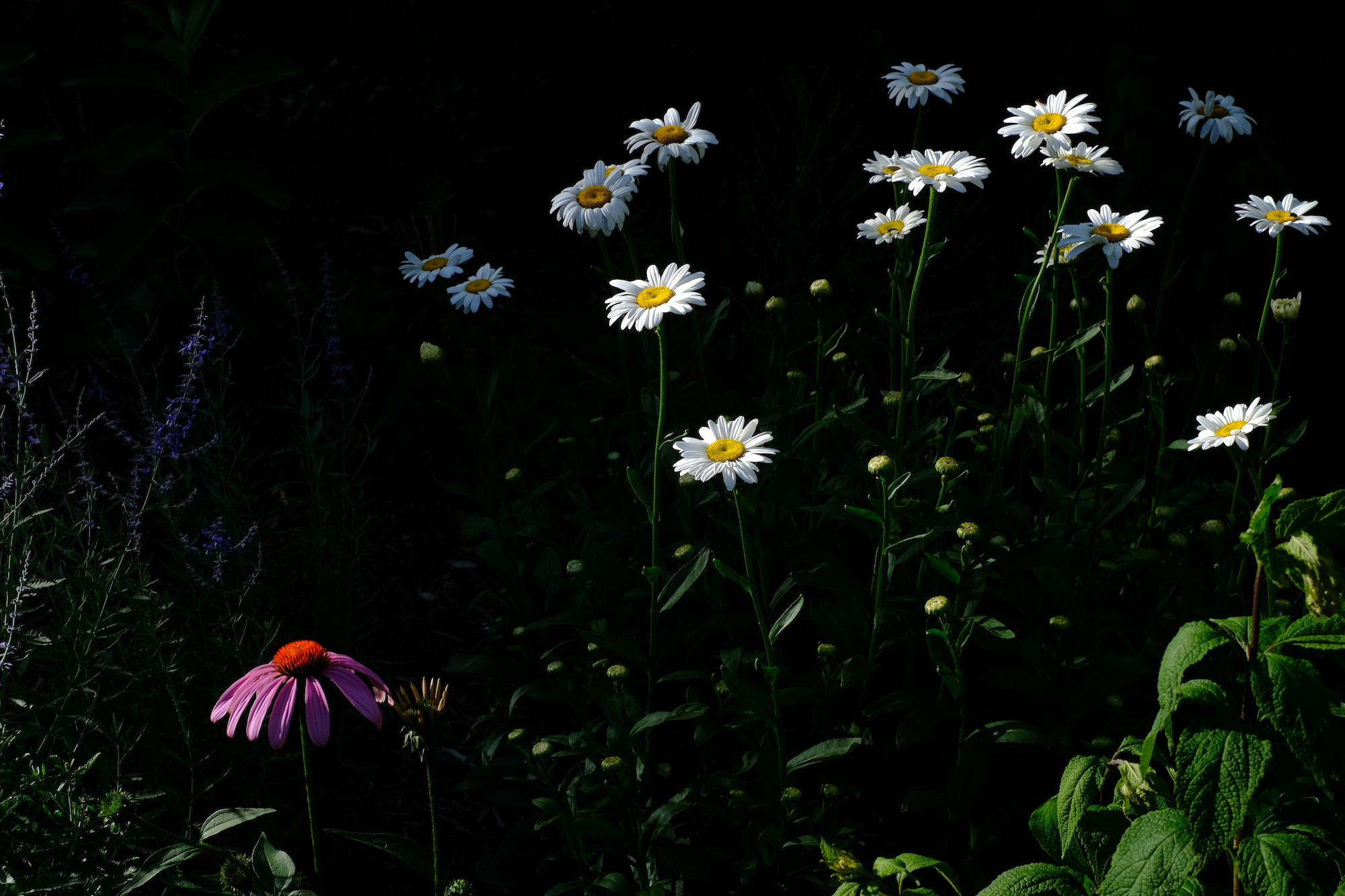
Garden flowers, for contrast challenge from course instructors’ Photography and Friends website
Each day, I discover new settings on my camera, like the bracketing and exposure compensation features, or different film simulations, including black and white. And each day I play more in my editing software (darktable) to see if I can tweak this lighting or that contrast or deepen that color.
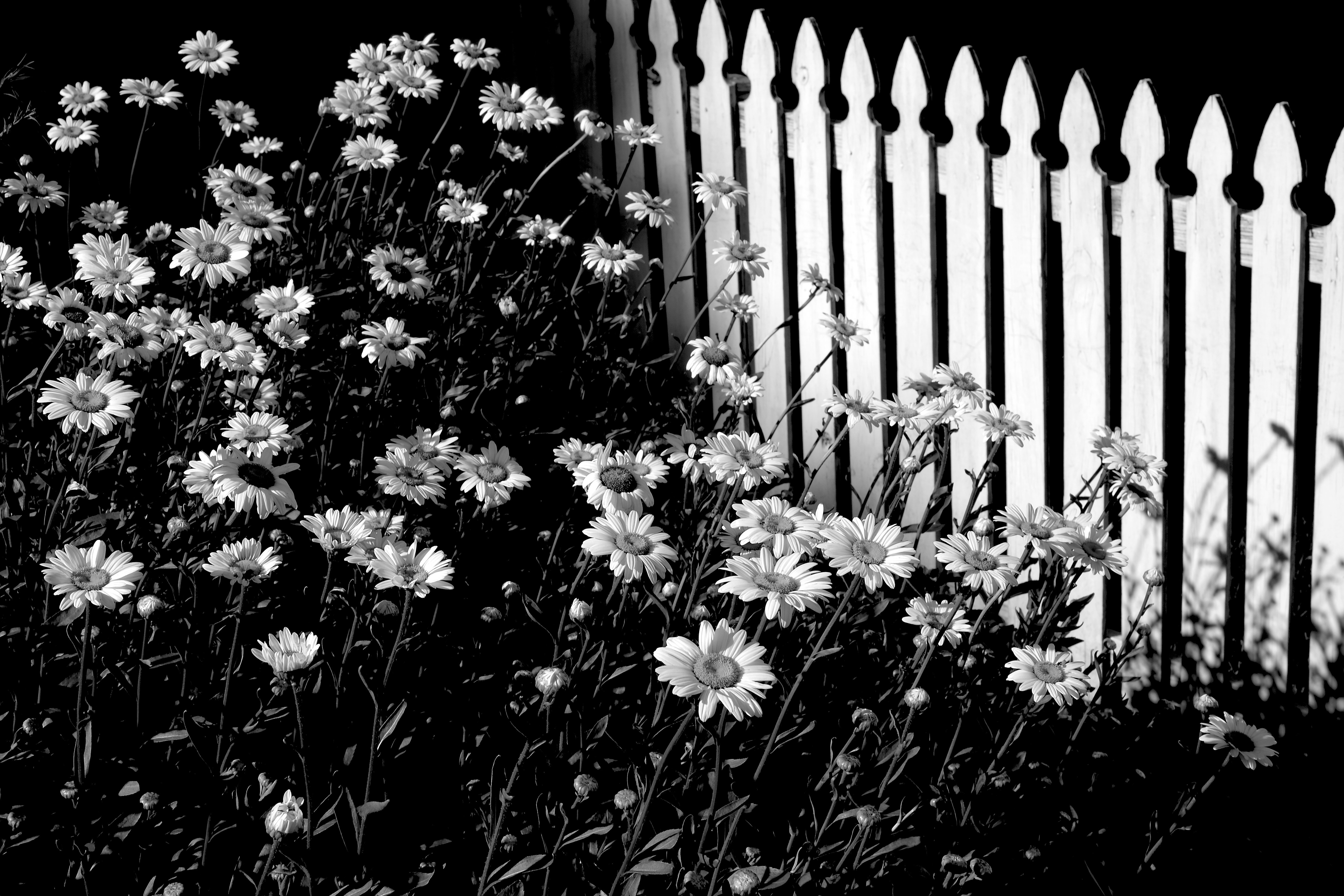
Daisies and fence; just playing around in editing software to convert to black and white
I’ve started carrying my camera with me more frequently on outings, and I’m learning a ton about my camera and about photo editing.
I’ve got a long way to go.
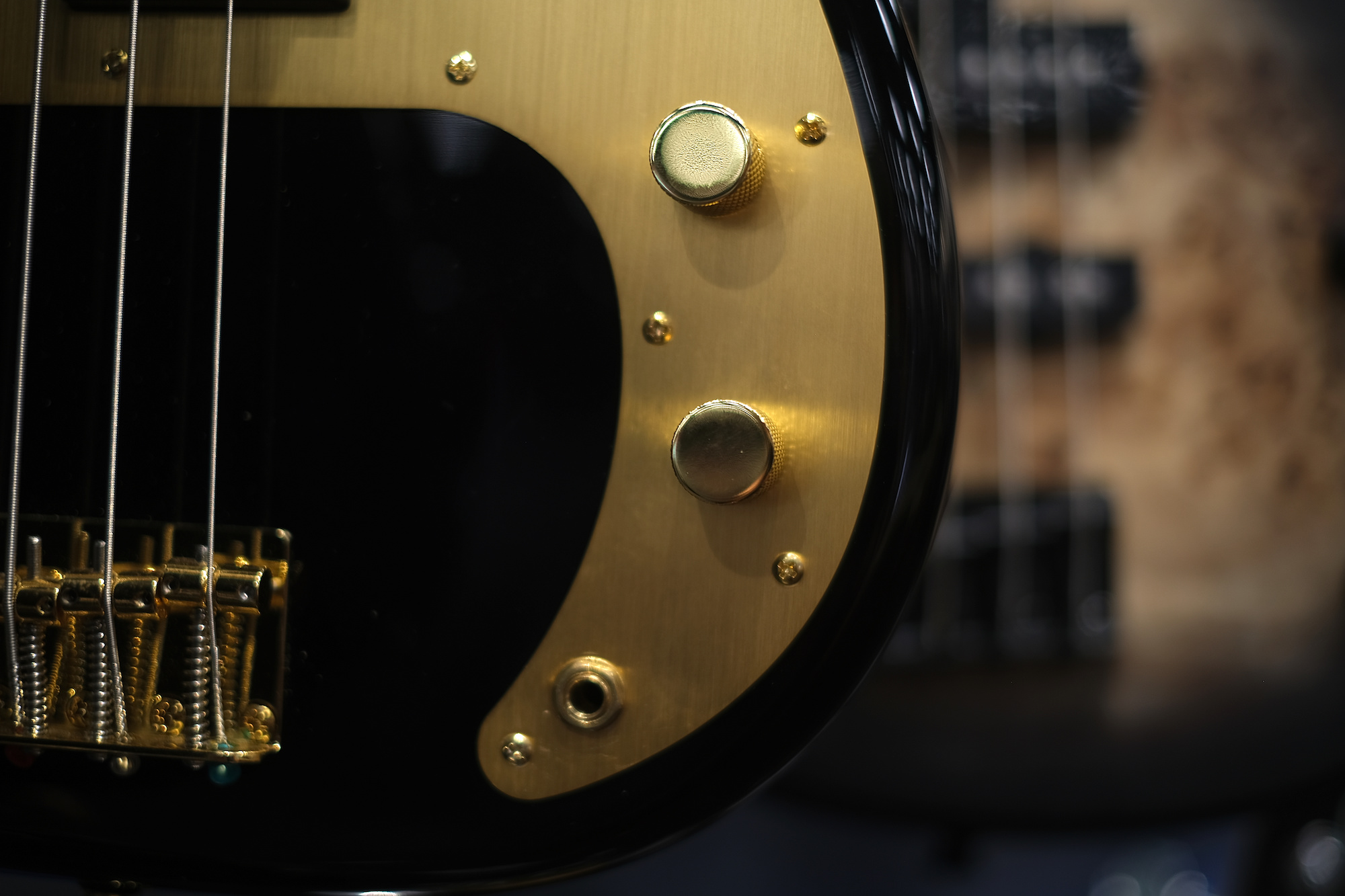
There are a few things that no amount of editing can fix, and the biggest ones I’ve found so far are exposure and focus. I take photos now at lots of different settings for exposure, but I still have a lot to learn about light to get it right. Also, my eyes aren’t great, and it’s hard for me to see whether an image is actually in focus until I get it on my computer; I’m often disappointed that what looks great on my camera’s tiny display screen actually isn’t that great on a screen where I can actually see it. Most of that comes down to trying to shoot in low light without a tripod though, meaning I end up with super shallow depth of field, like in the first guitar image below where the grain of the guitar body and part of the bridge are in focus, but the bridge pins and the strings — only about 1cm closer to the camera — are not. These discrepancies are teaching me what I need to improve in order to capture what I’d hoped to capture, though. I’ll keep practicing. I should have a few years left in me to keep learning.
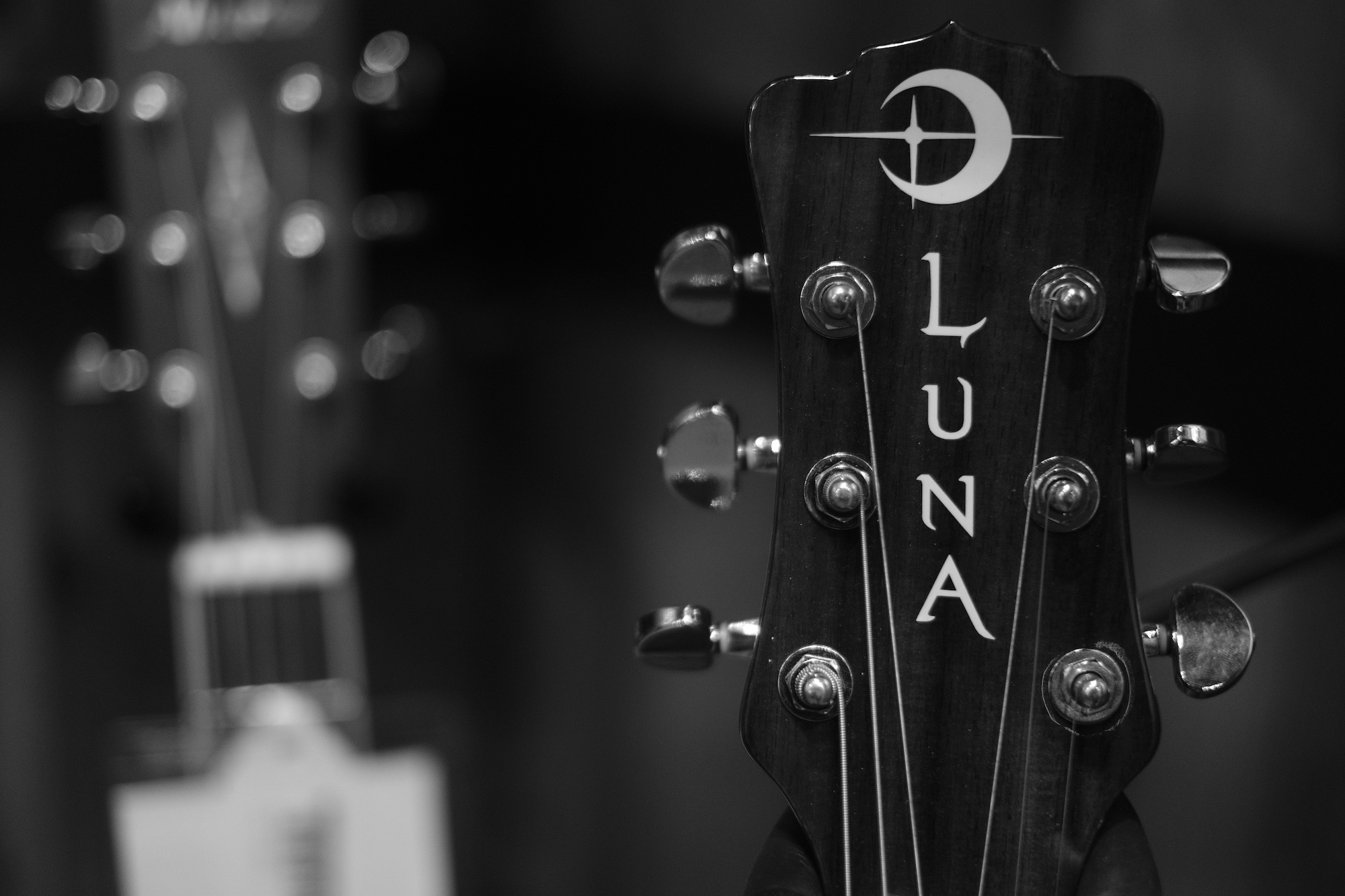
Composition assignment: negative spaceI just like the shiny metalI love all the beautiful woods of acoustic guitarsComposition assignment: rule of thirdsComposition assignment: symmetryI occupied myself at the guitar store by working on a composition assignment
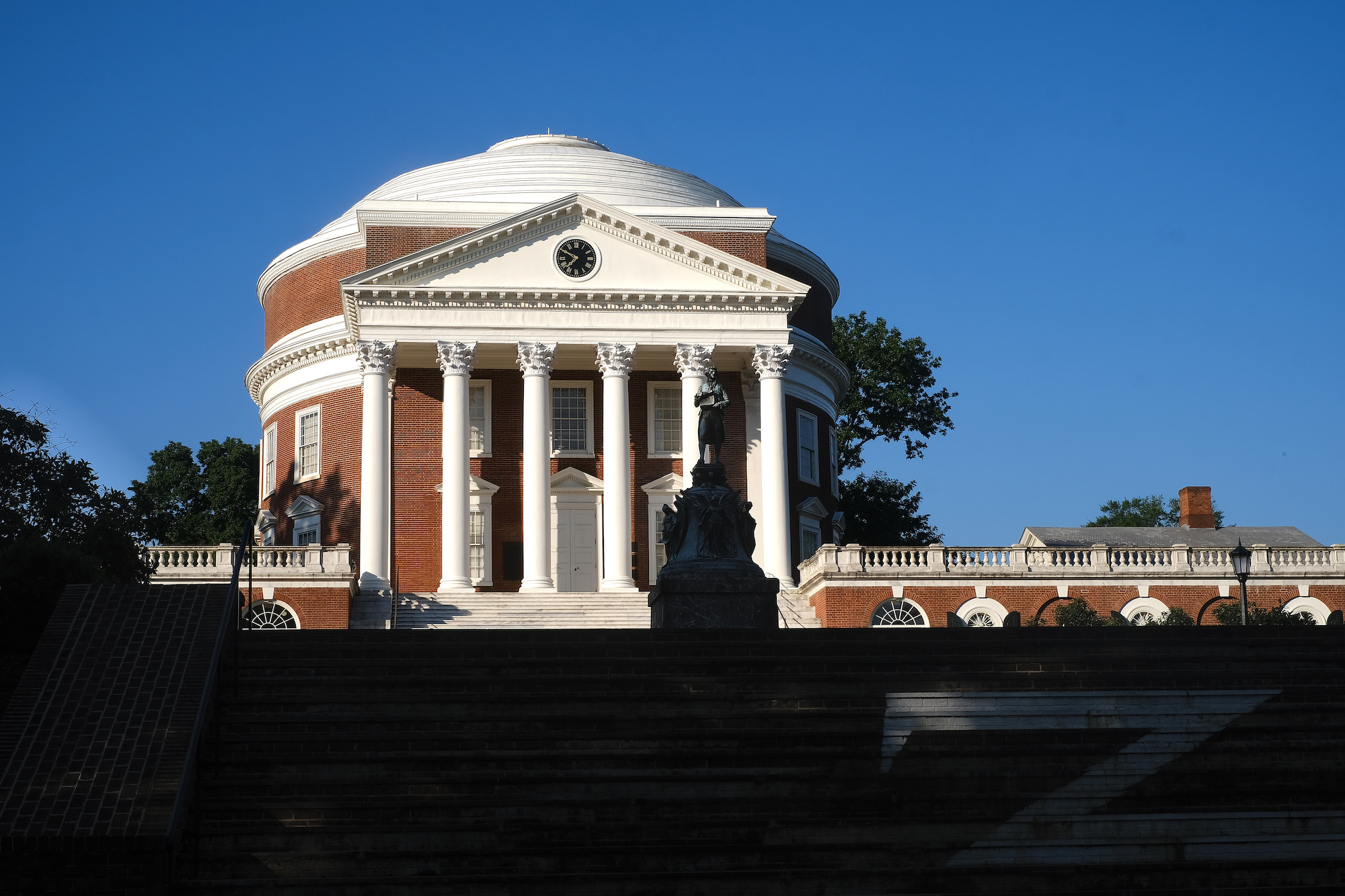
I took our son to the University of Virginia in Charlottesville for orientation Thursday and Friday, and I wanted to go back to school again just so I could hang out there and be a student among the greenery and bricks and columns and trees. Campus is beautiful. I love it there. I hope he will too.
Hydrangeas and random column capitals around groundsA literary society 😍
The Rotunda is the heart of the University of Virginia campus, and I can’t get enough of it.
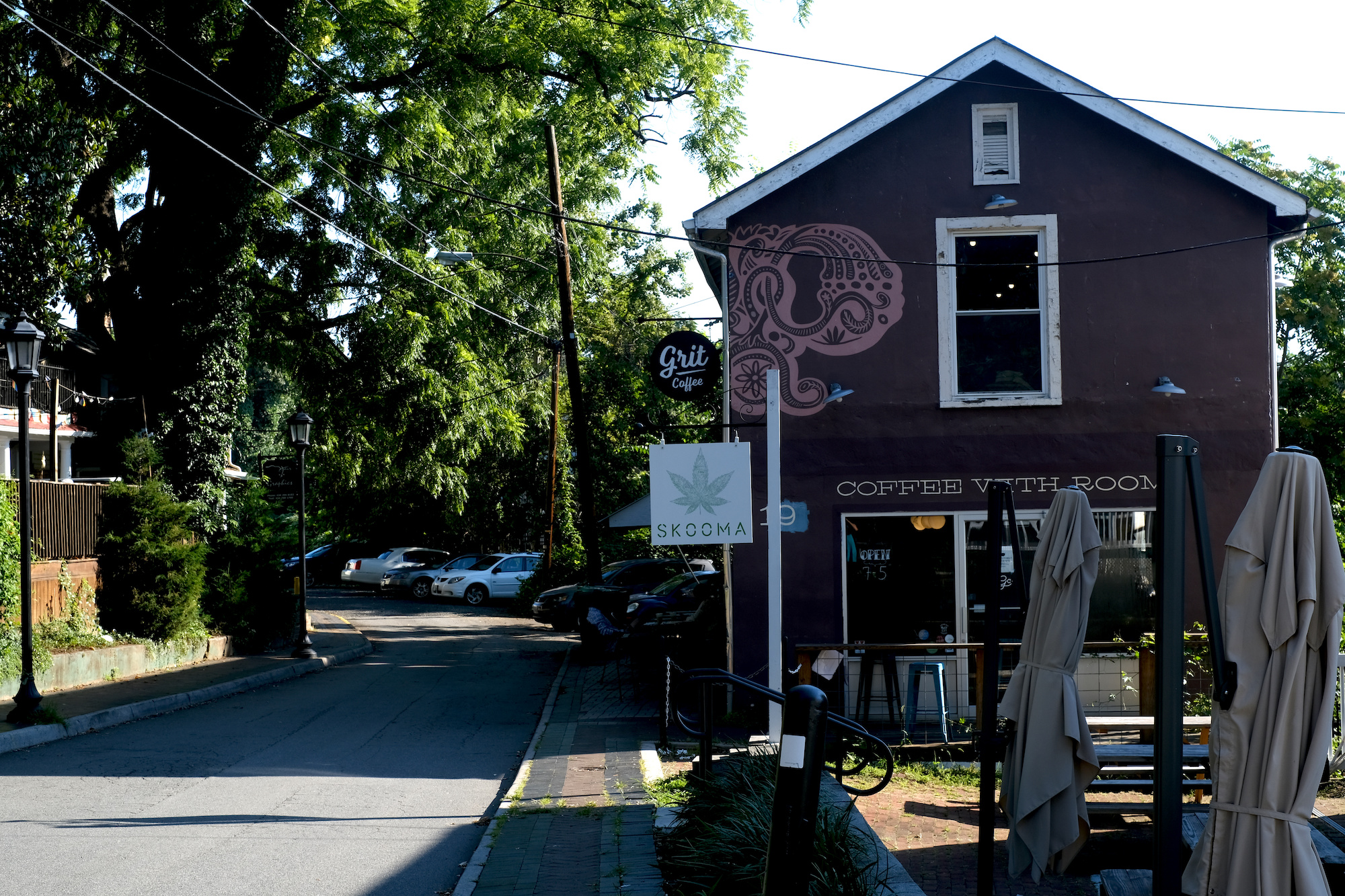
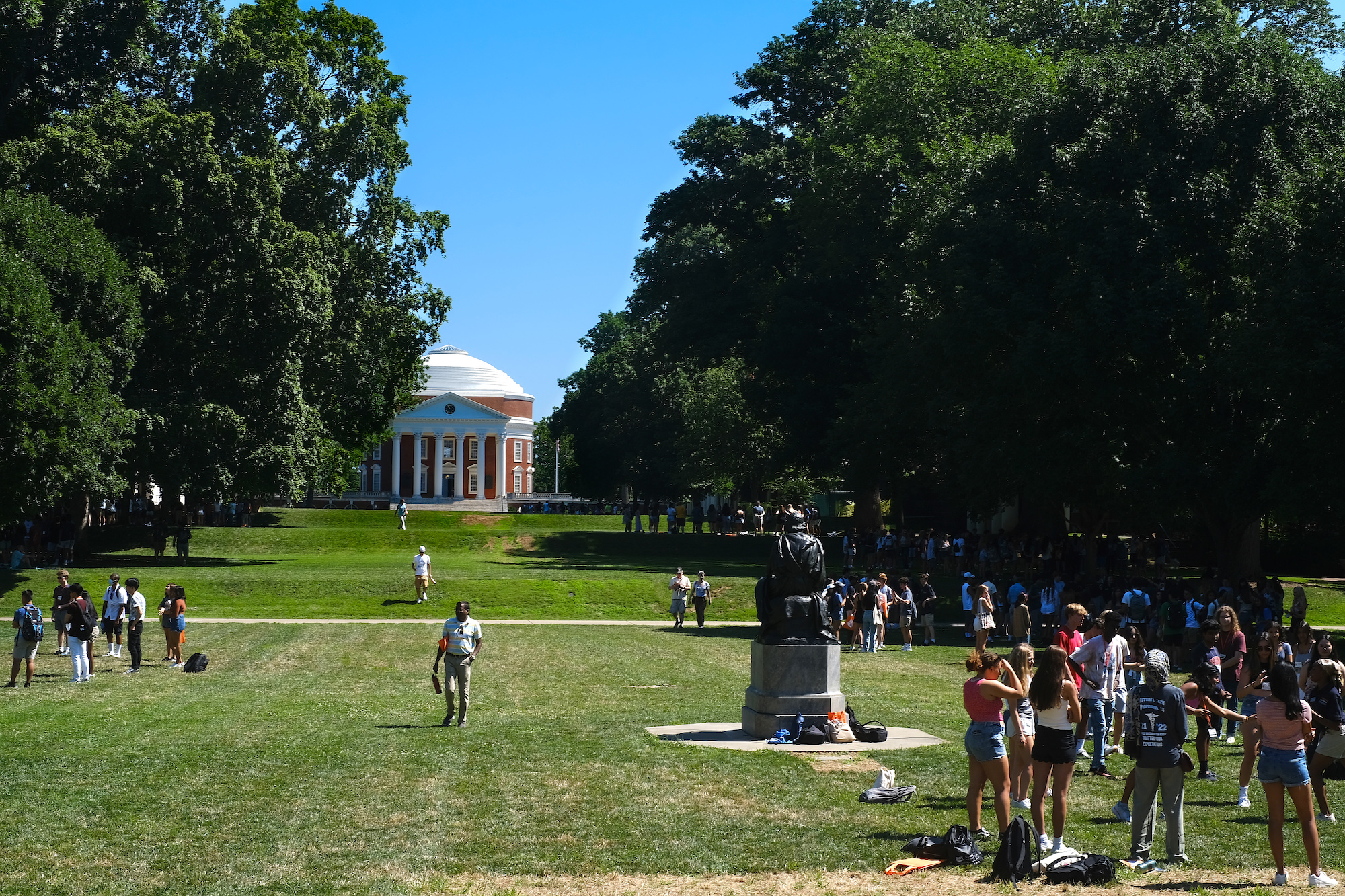
I love my new wide angle lens.Courtyard next to the RotundaI can’t remember all the architectural terms, but I adore the details. I know the columns are Corinthian, and then something about teeth for the little blocks under the eaves…Rotunda poolThe Rotunda in morning lightI wandered around town and found a cute place for coffeeIncoming first-years getting oriented on the lawn
I didn’t cry too much while we were there; tears welled up a few times, and my heart swelled with excitement and pride, but no full on waterworks. I’m not expecting the same for move-in day.
I live in a ridiculously nice place. Our son had friends over last night to watch Hamilton, and my husband and I didn’t want to eat pizza, which we ordered for them, so we got out of the house for dinner. We went to a little restaurant, Gillie’s, in downtown Blacksburg, and sat at a cafe table outside to dine. The temperature was pleasant, especially for a June evening — warm enough for sandals, short sleeves, and a knee-length skirt, and cool enough to sit outside — we were surrounded by green deciduous trees and bright flowers, town wasn’t crowded, it was easy to park, there were no sirens or loud noises or cars. There were no bugs.
As we ate, we talked about how often we look forward to the future: what we’ll do when we retire, where we’ll travel, where we’ll live. How we want to be close to a beach, but maybe we’d rather live in a city, or maybe we want to be on the Chesapeake, or maybe we want to be nomads. But the thing is, where we are right now is pretty phenomenal. We have four seasons, all of which are the perfect length. We have fresh air, green trees, sun and rain, wind and stillness, some snow in winter but not too much to be a burden. We have amazing hikes in every direction, many of which intersect or go along the Appalachian Trail. We’re constantly bumping up against the AT when we hike. Our little town has charm, and with my renewed interest in photography, it’d be fun to explore it more on foot.
This morning I sat outside with my coffee. I rarely do that; the table on the deck is usually covered in dew, and I have notebooks and pens and other morning accoutrement to carry along with my coffee cup and cereal bowl, which is a lot to transport outside while also trying to open and close the sliding screen door without the cats bolting. But the birds were chirping, the air was cool and fresh, the garden is always a magnet for me, and so I wiped the table and sat outside, filled with appreciation for where we live and the life we have.















 Butterfly Mind