Last winter I obsessed over the garden. I scoured seed catalogs, bought graph paper to design flower beds, stood at the back door staring at the bare hill and tried to visualize what it would look like with plants on it.
Now that everything is dead and gardening season is over, I wanted to take a look at the gardens’ transformation through the months.
Back garden
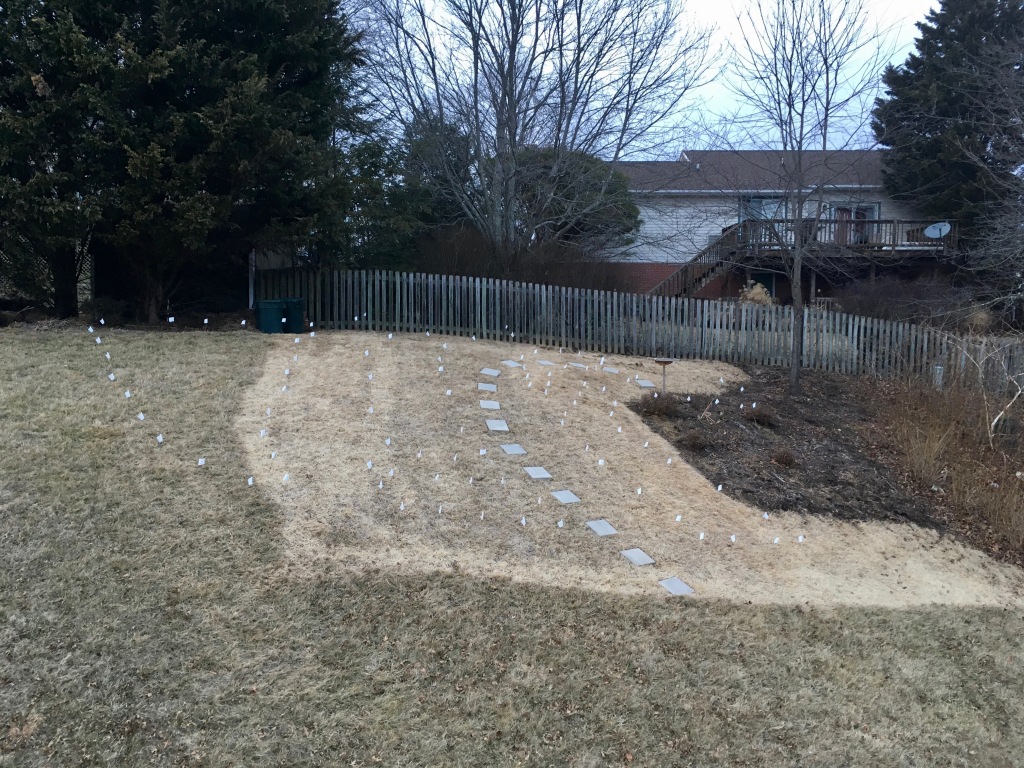
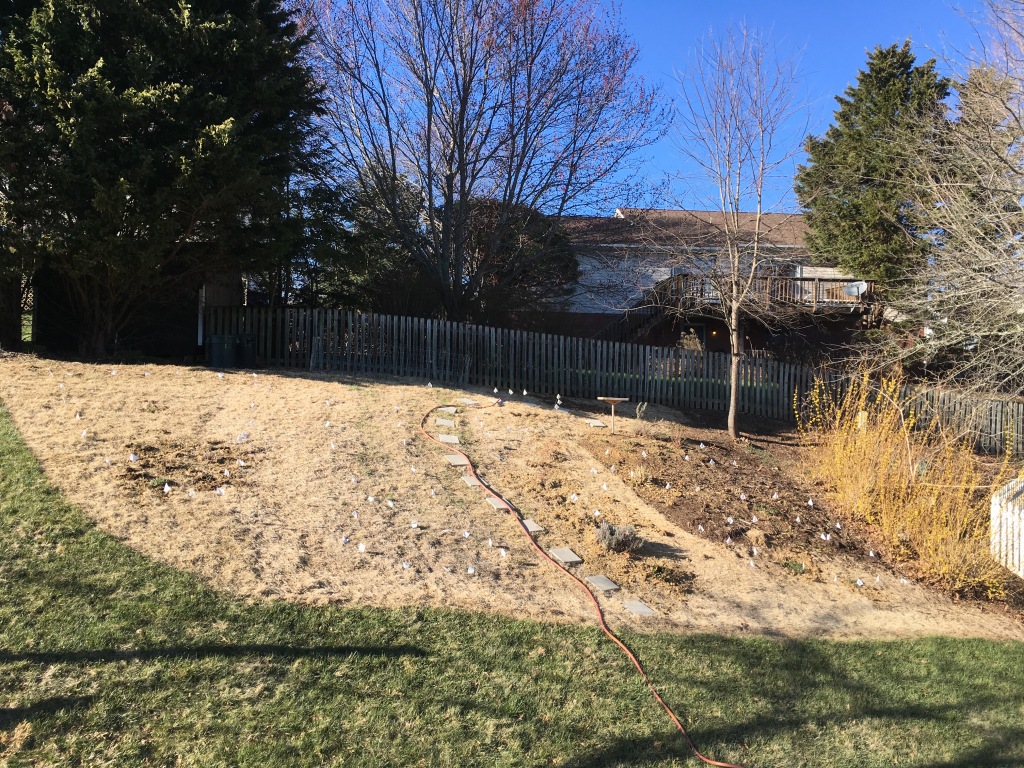
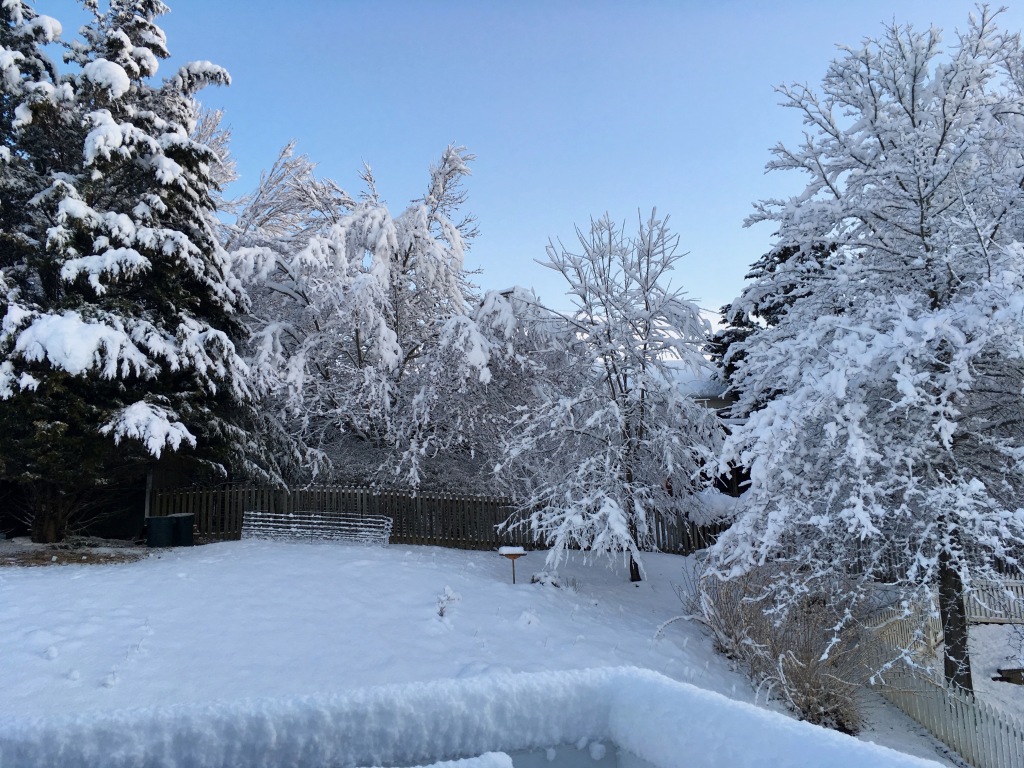
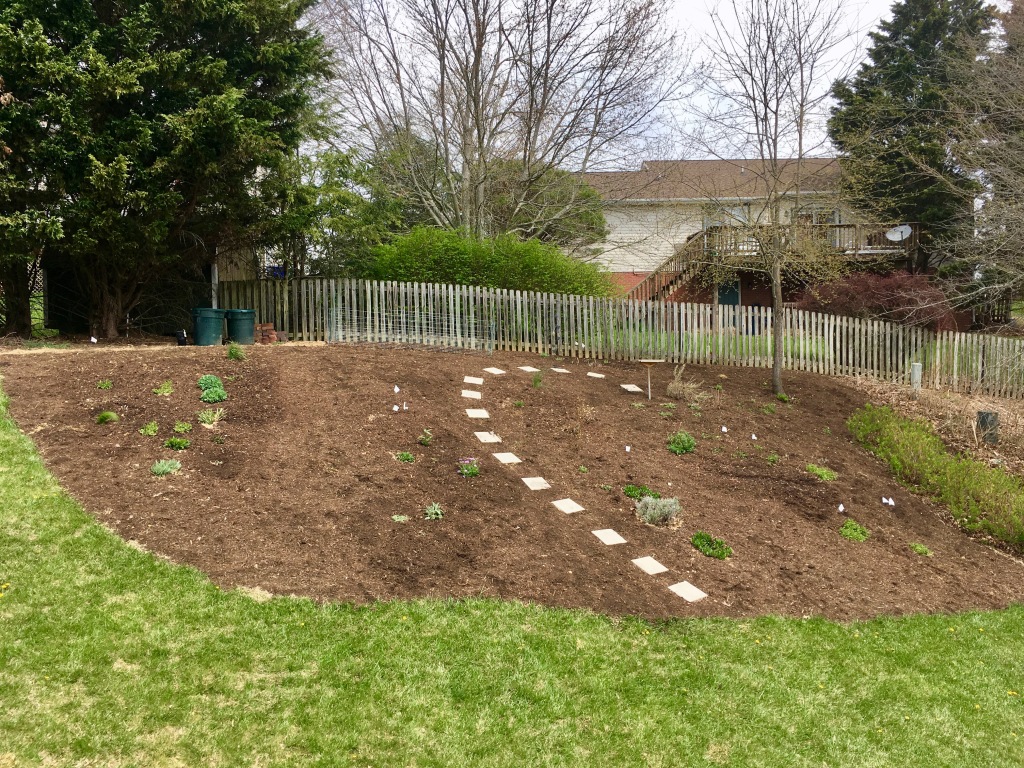
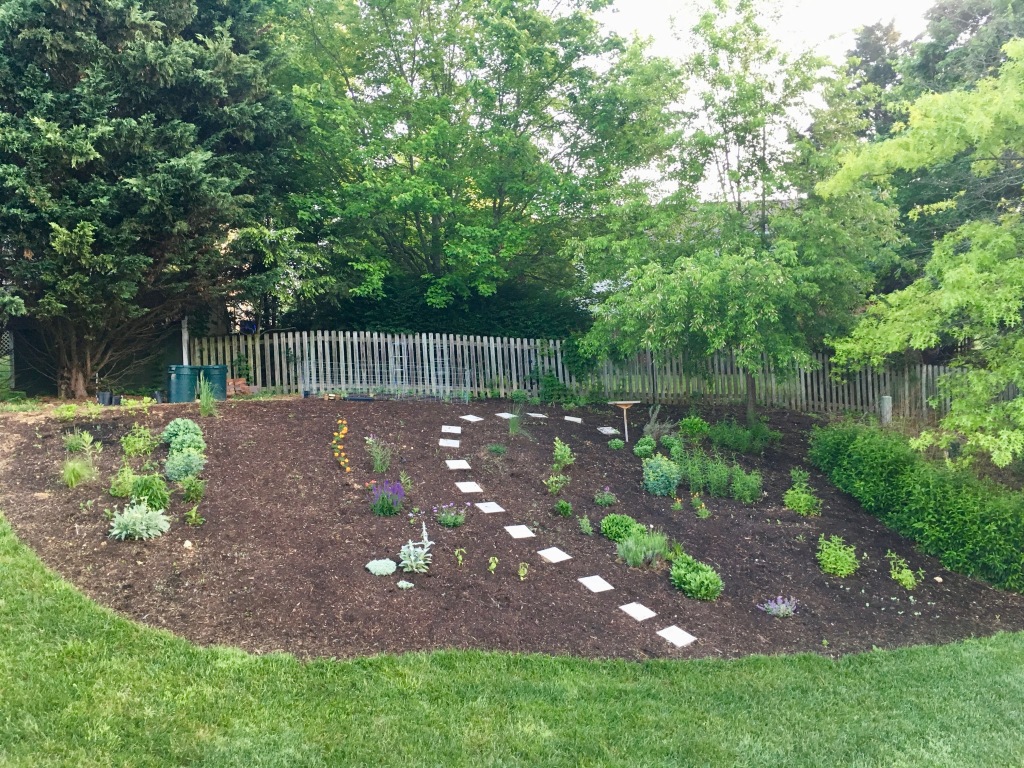
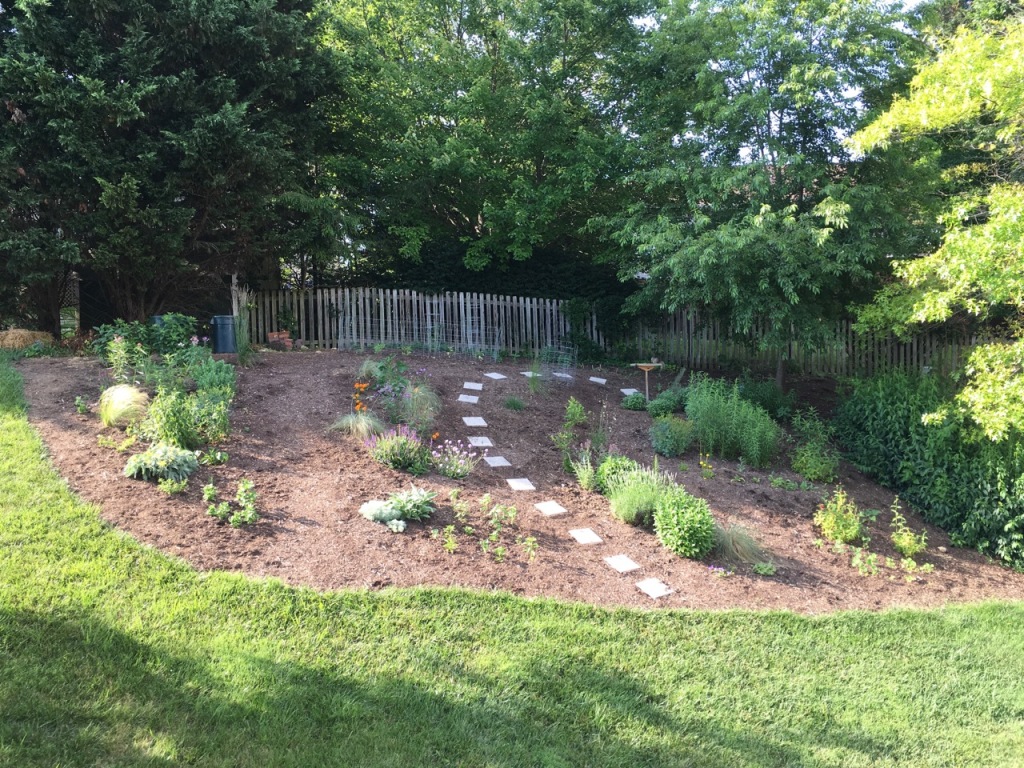
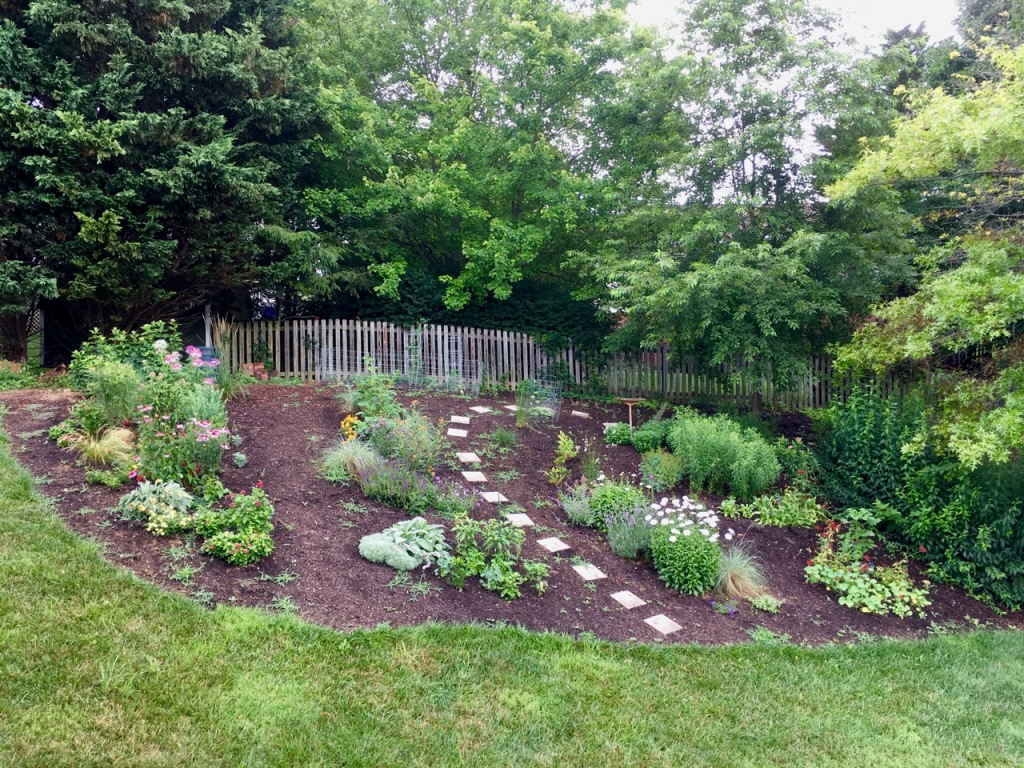
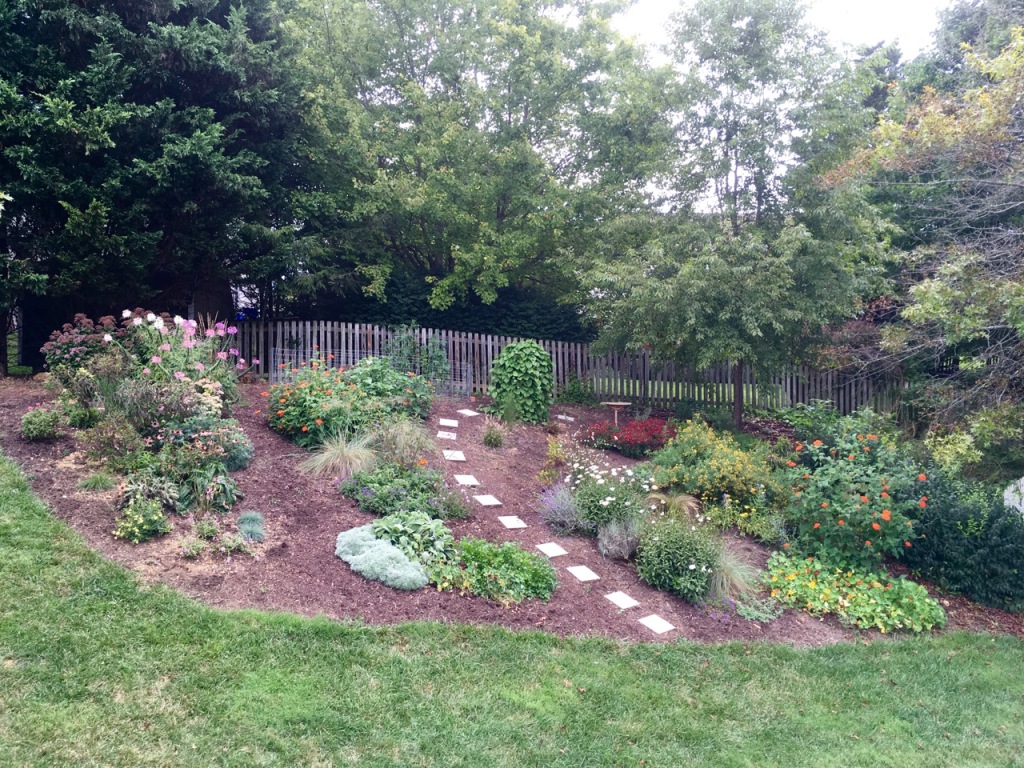
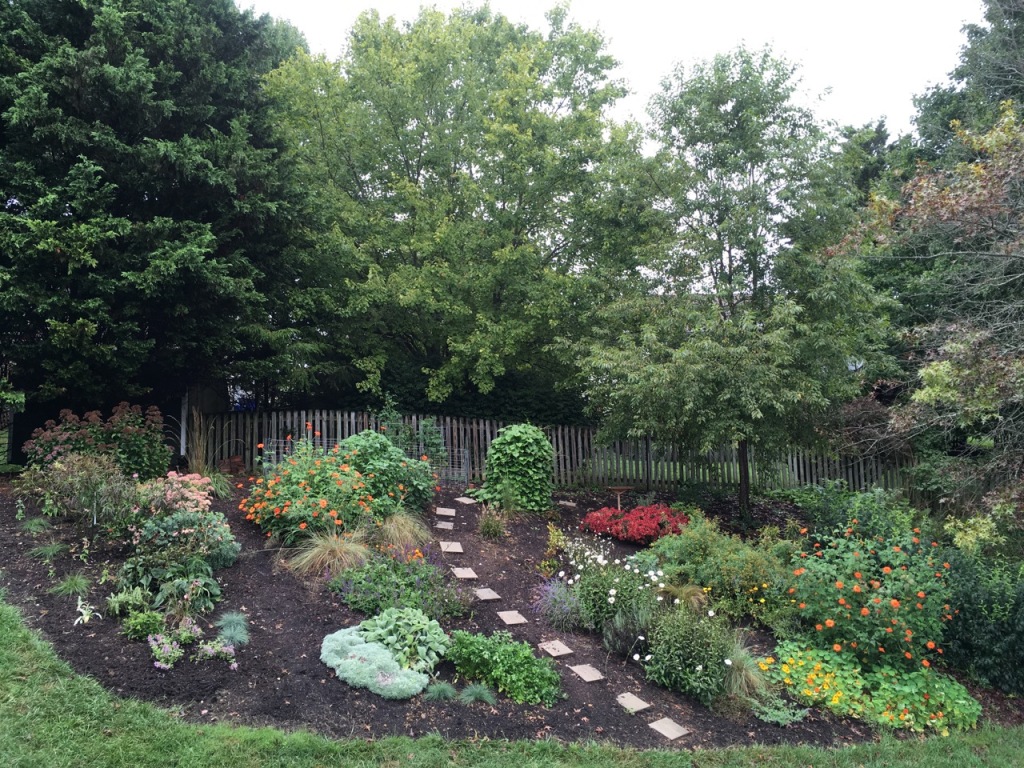
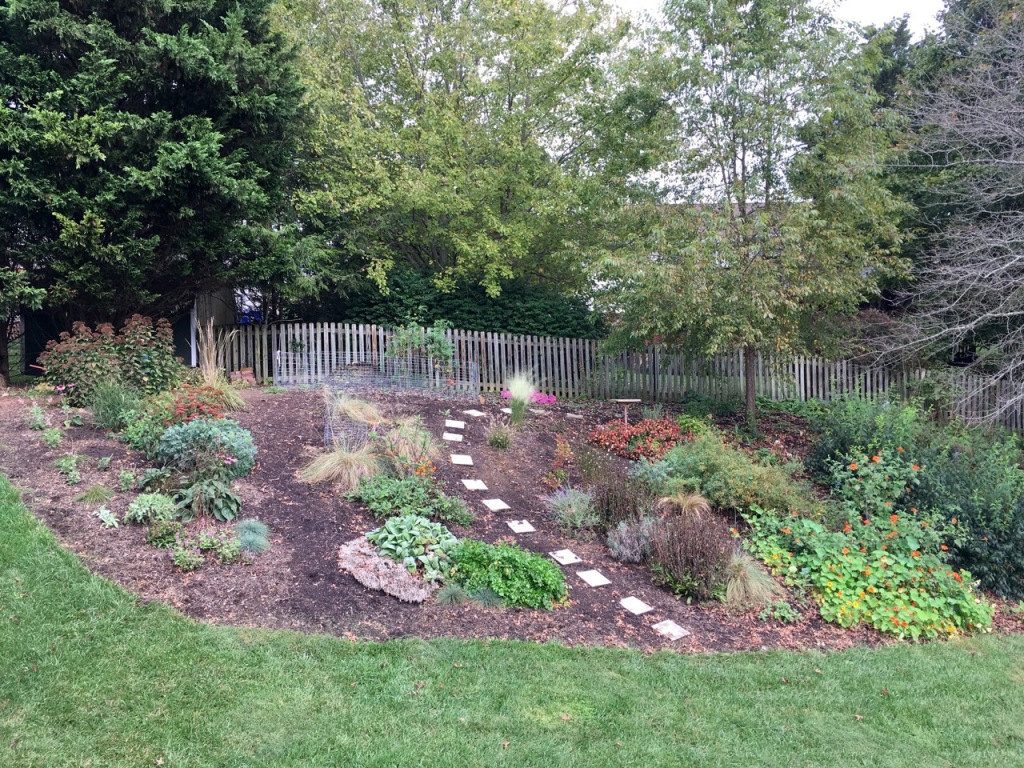
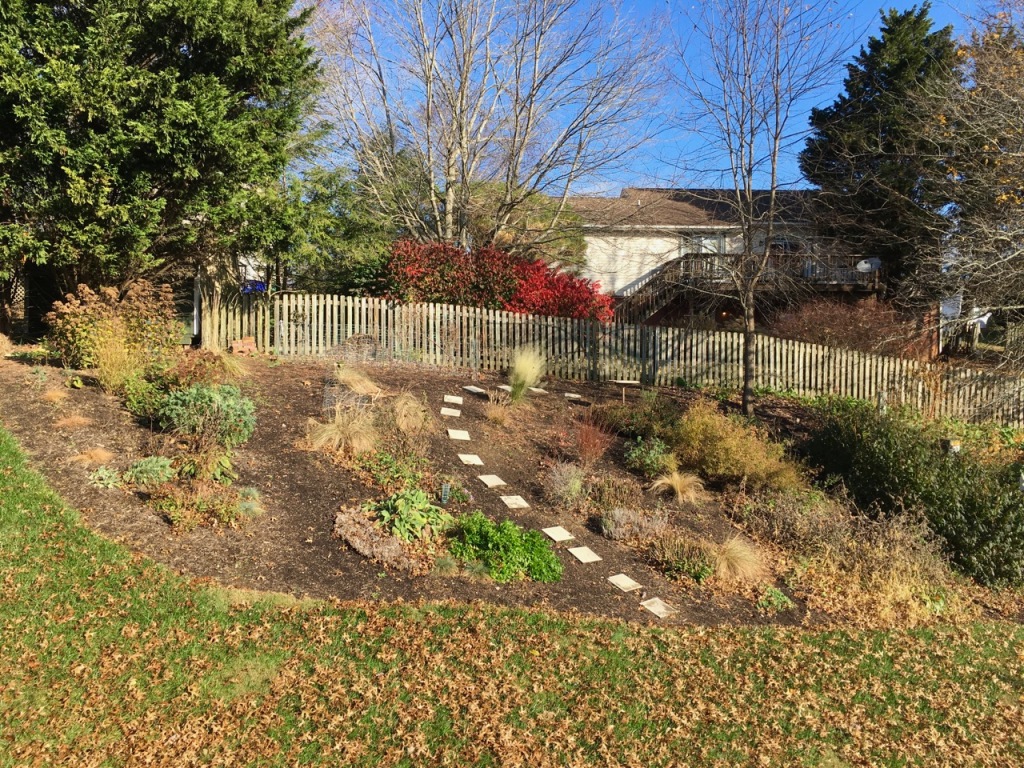
Back hill, marked for flower beds. February 2018Forsythia in bloom, March 18, 2018Back hill, March 25, 2018Back hill after transplanting plants from front garden. April 21, 2018Moved more plants from out front. May 21, 2018Bought some plants, others filling in, seedlings starting to grow. June 17, 2018Flowers blooming, weeds proliferating. July 2018As filled in as it’s going to get. Late August, 2018Peak. Some things starting to fade. Early September, 2018.Time to clear out spent stems. October, 2018.I need to rake leaves for compost. November, 2018.
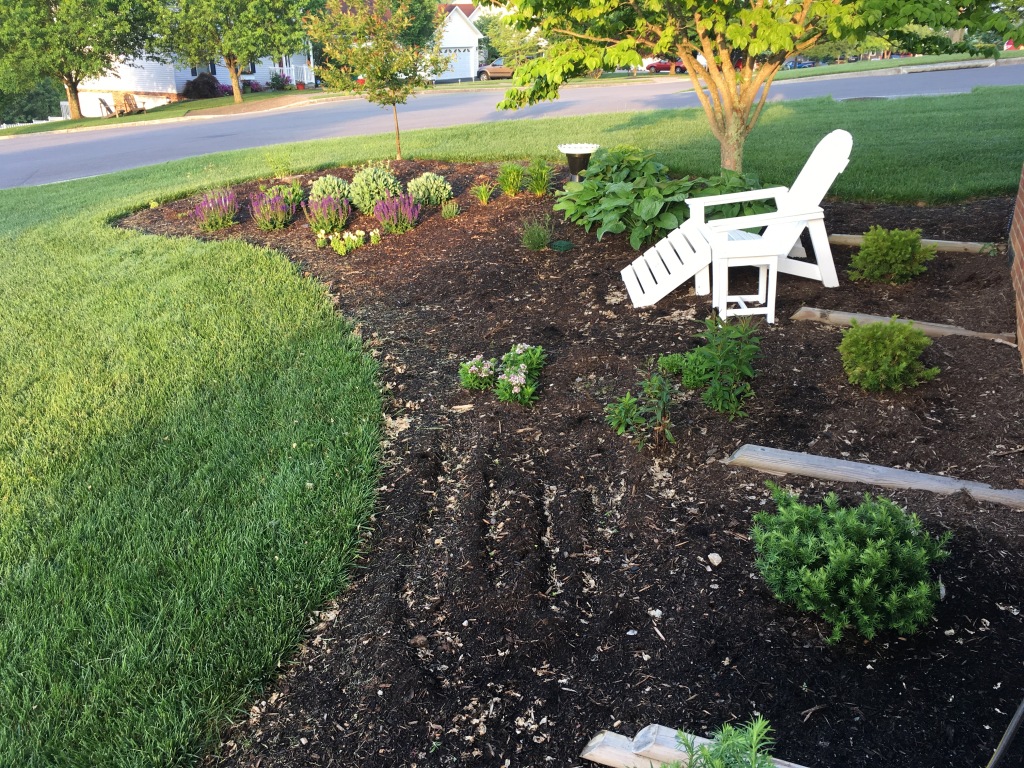
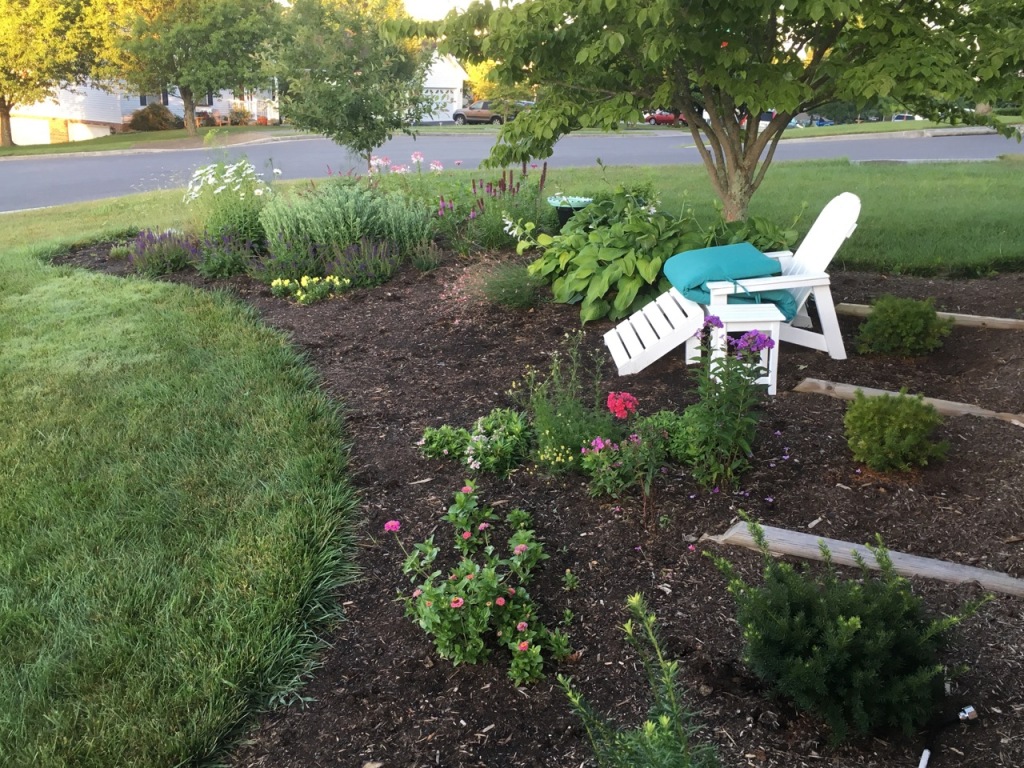
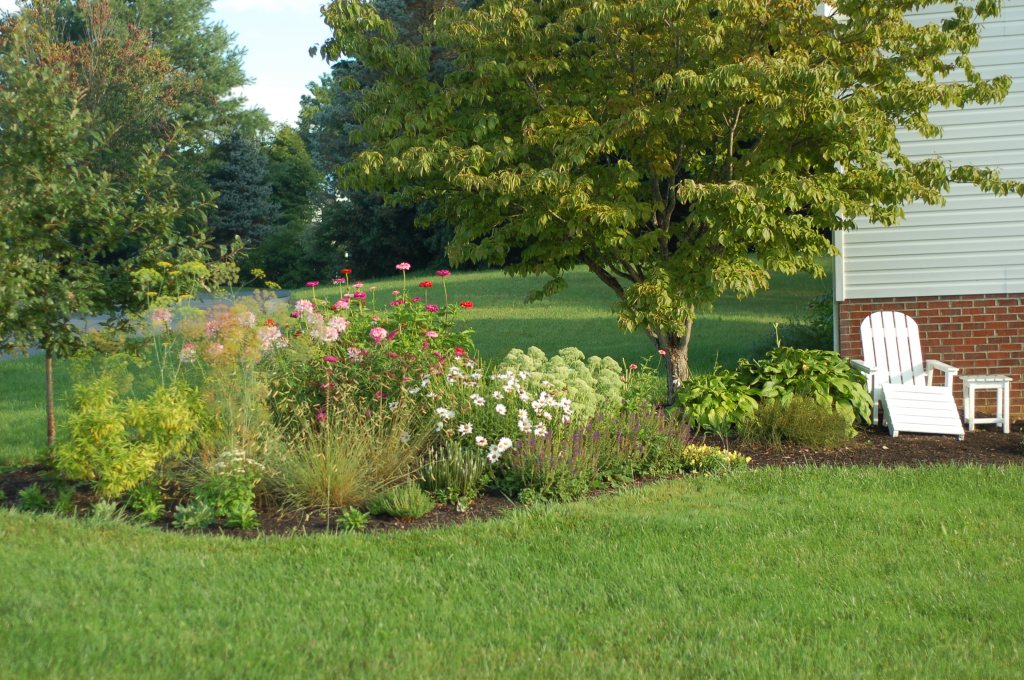
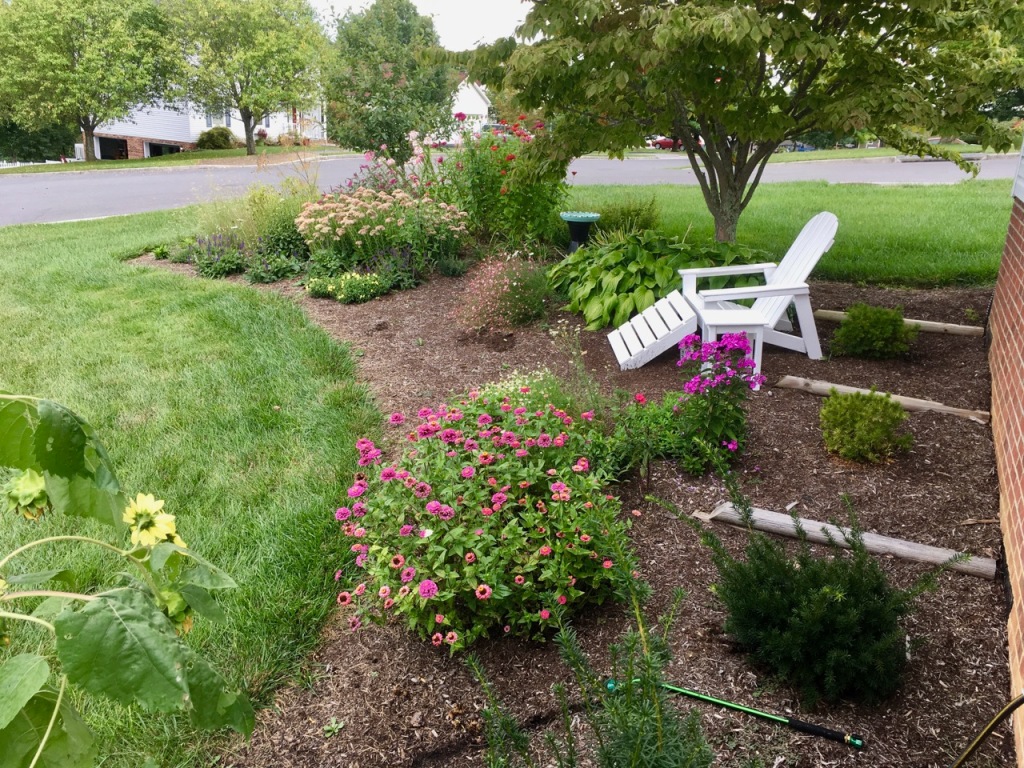
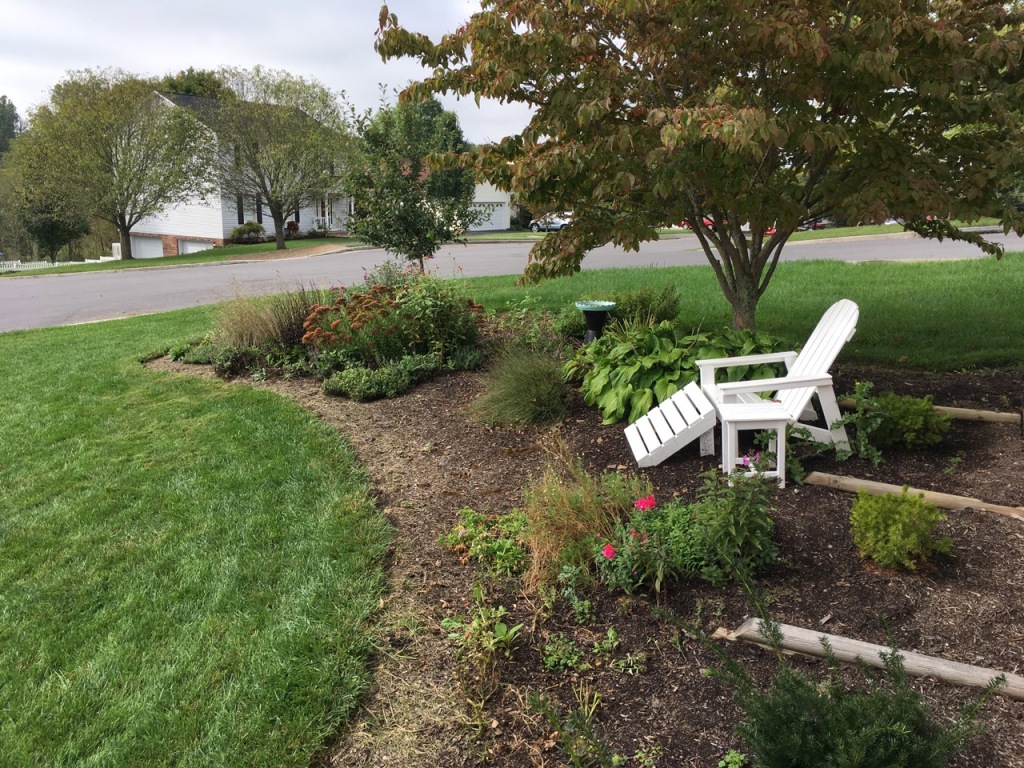
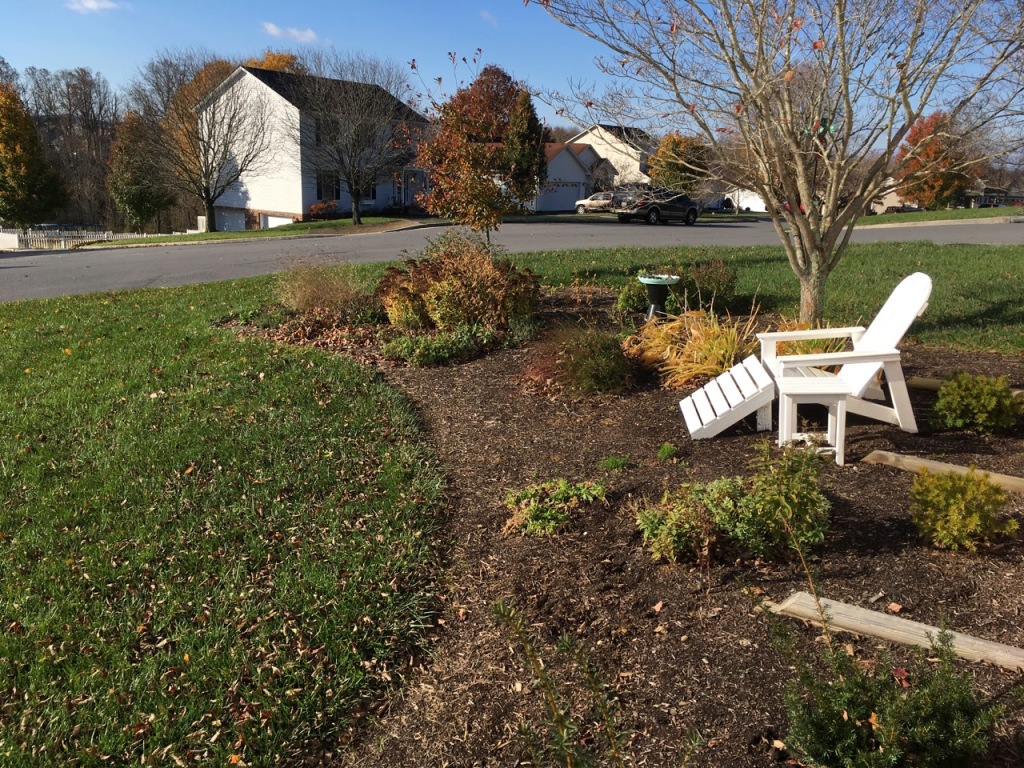
Front bed
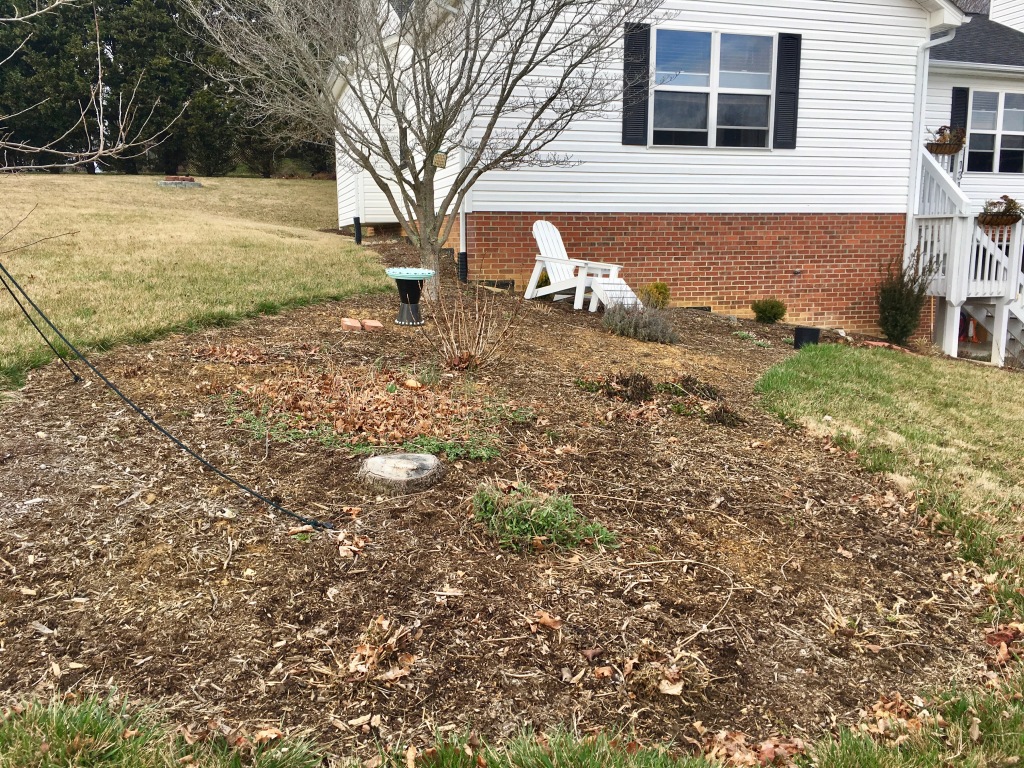
February. So sad.Moved some plants, sowed some seeds. Bought new perennials. May 2018.Starting to flower, including seeds I sowed. July 2018.Wrong angle, but the only August shot I have.Early September.October 2018November 😭
Now I can study these photos all winter to see where I want to change things. I’ve already got a seed catalog stashed away for a snowy day.
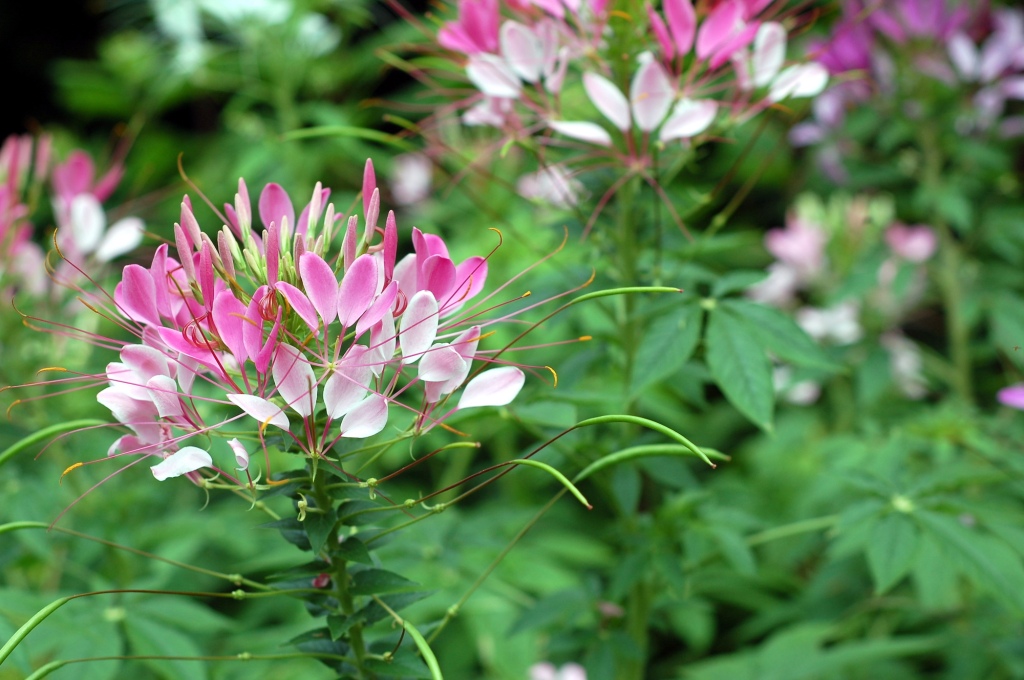
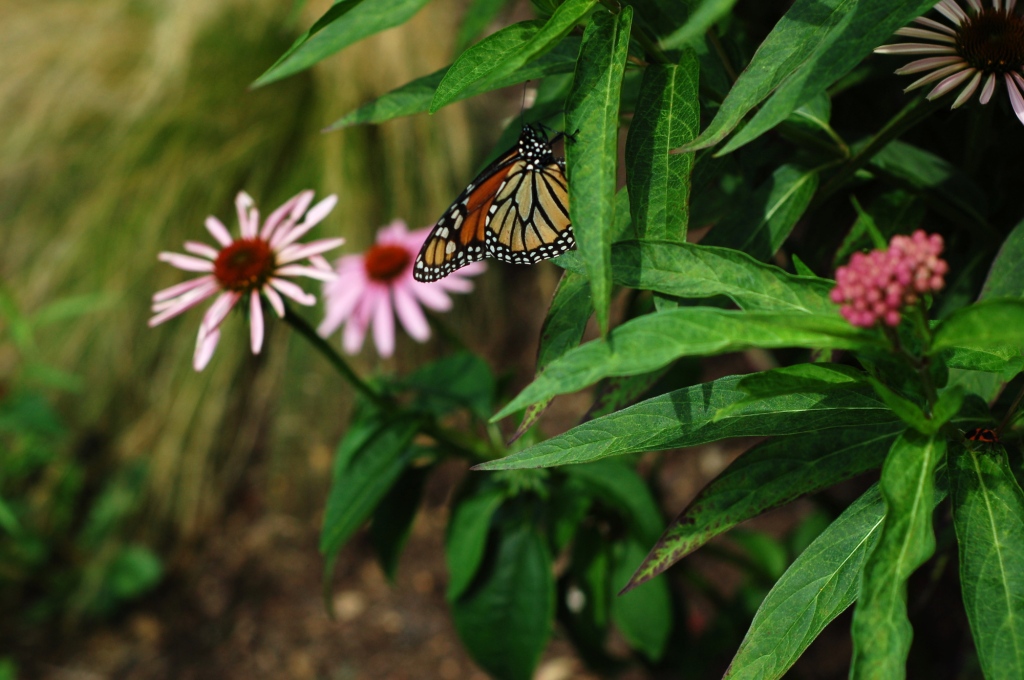
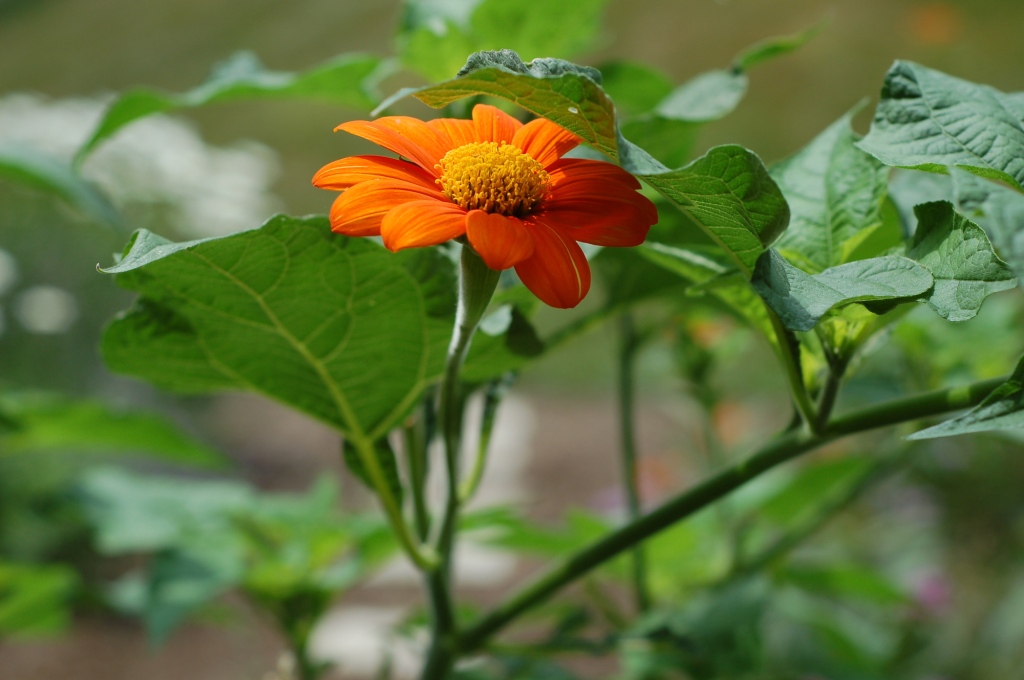
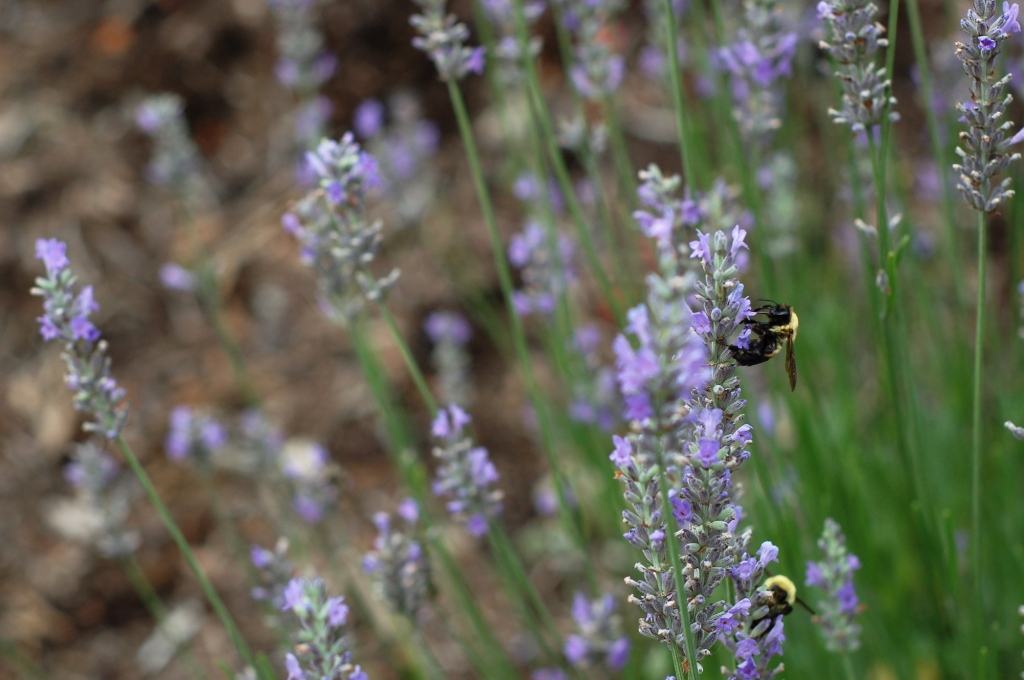
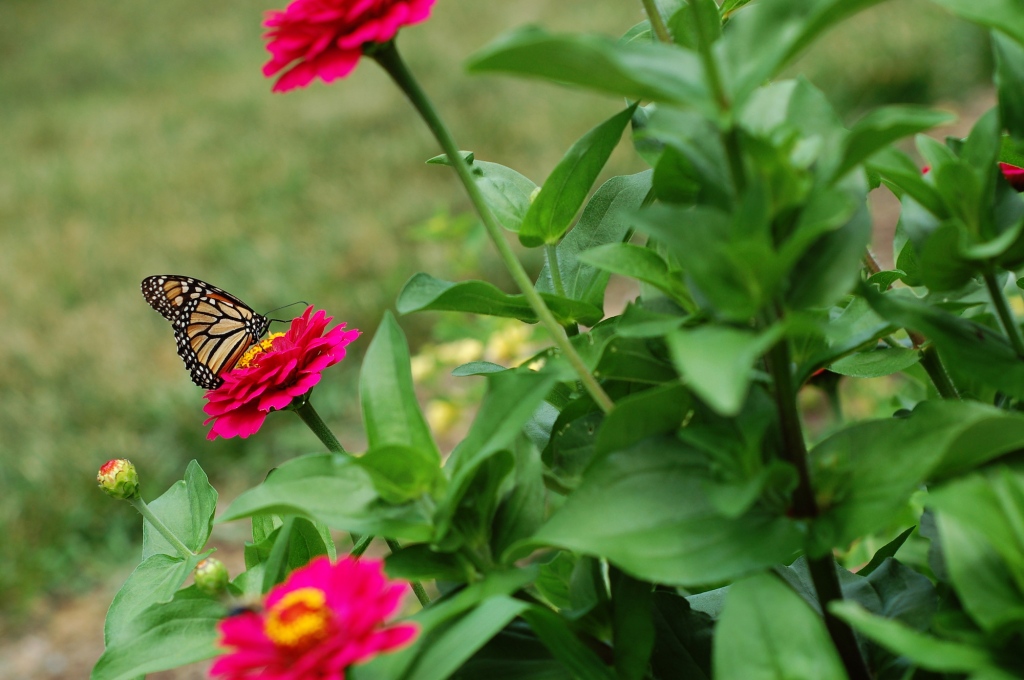
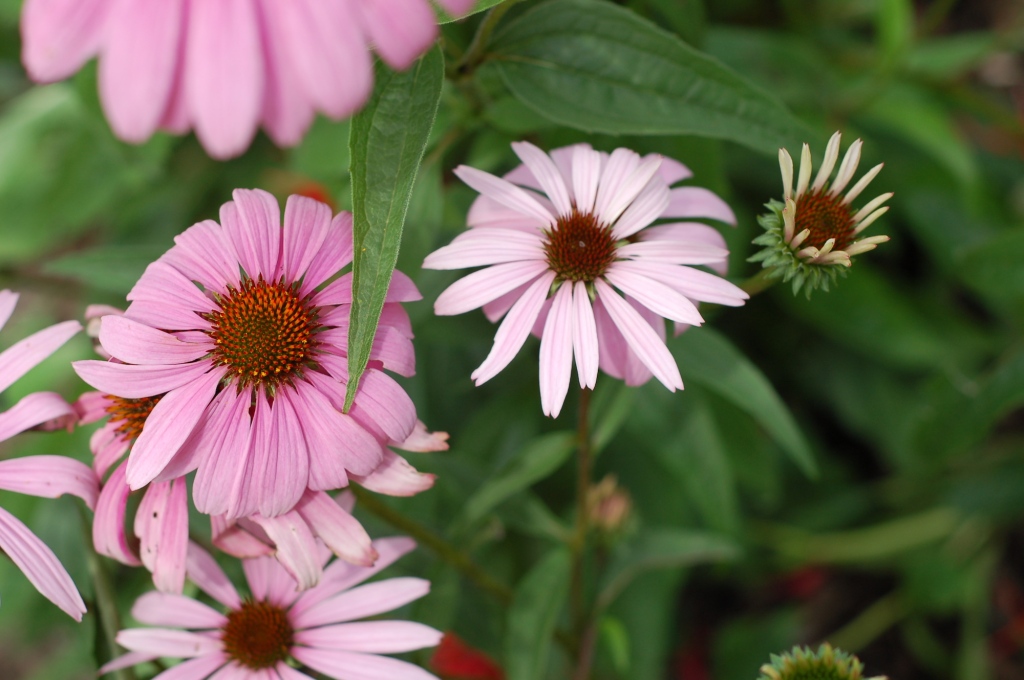
The garden is is peak bloom right now. Pollinators buzz busily, and the bigger butterflies are starting to find their way to the flowers I planted for them.
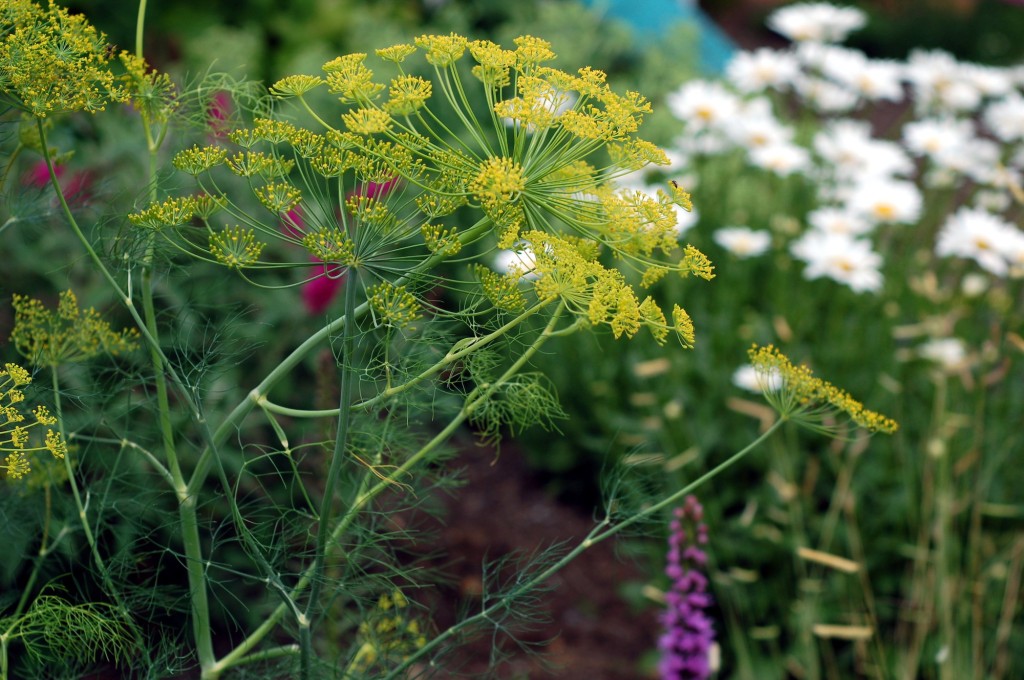
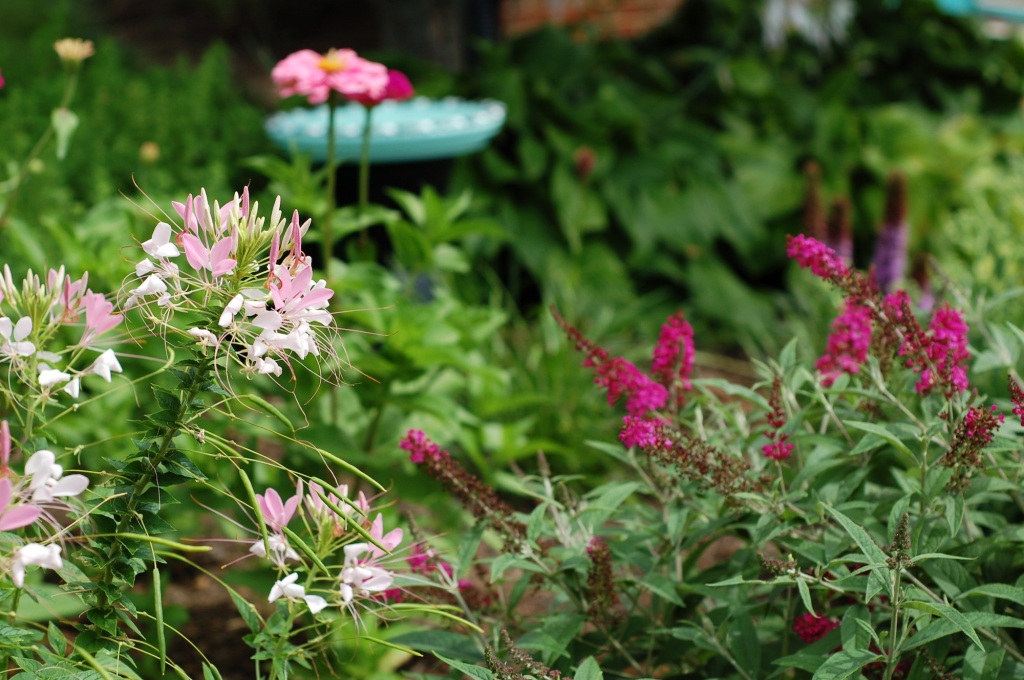
CleomeMonarch on milkweedBee coming in for the liatris (bottom center — I didn’t realize it was in the photo)Cabbage white on purple top verbenaMexican sunflowerBumblebee on lavenderShasta daisyMonarch on zinniaEchinaceaDillCleome and Miss Ruby butterfly bush
These are mostly just the close-ups. I published more photos on Andrea’s Gardening Blog if you like photographs of gardens and flowers.
I put the kids on an airplane on Wednesday to fly down to Florida and visit their grandparents. Without us.
We’ve never sent them away without us before.
They’re 14 and 12 now, and they were super excited to go on an airplane alone (except for the giant badges they had to wear). As for my husband and I, we took the chance to go sailing. The Support Driven Expo I’ve been working on the past few months had just wrapped up in Portland, and the timing was perfect for us to get away for a couple of days.
Deltaville on the Bay
We found an in-law suite Airbnb — with a dock and a neighborhood boat ramp – in Deltaville, Virginia, about 5 hours away from our home in the Appalachians. On Thursday, we hitched up the boat and headed east.
There’s not a lot in Deltaville, tourism-wise, but there is tremendous access to water. There were half a dozen marinas full of sailboats in this little town where there didn’t appear to be people, and there were canvas shops and sail tailors, and even the maker of our boat’s mainsail, Ullman Sails. We stopped in to get a new length of batten, and picked up some rope too since it was on sale.
There was no wind when we arrived, so we pottered around town and got settled into our Airbnb before starting out in the late afternoon on the water.
There was still no wind. We hoisted the sails and flopped around, then motored a bit to get closer to the mouth of the river where we saw some ripples that looked like they might be wind. We caught a couple of puffs and got a little bit of sailing in before we realized, hmm, in this sleepy little town, restaurants might close at 9pm.
Sailing on the Piankatank River, VA
We were back at the dock and inside the house by 8:30, and yes, everything closed in 30 minutes and was also 15-30 minutes away. We wound up at a pizza place that at least had food that could go in our bellies. The atmosphere left a lot to be the desired, but we didn’t go hungry, so there’s that.
Our second day, though — it was glorious! We had the entire day with nowhere we had to be except on the water.
We motored out of the glassy creek at about 10 am after stocking up on lunch provisions (grapes, Babybel cheeses, corn tortillas, cherry tomatoes, hummus, and baby carrots, plus lots and lots of water). Once again we flopped around before motoring closer to the mouth of the river where we finally caught the wind.
For hours we sailed. We tacked back and forth, on long tacks in steady wind. There was chop and lumpy water and we stayed dry and Egretta handled it beautifully. It’s amazing how different it is — how wonderful it is — to sail in a steady wind that doesn’t change direction or speed and that you could just spend all day on the same tack if there weren’t land in the way.
The water slaps the hull when you’re sailing close hauled, which we were, since you’re sailing into the wind. When there’s chop, you’re cutting through it, and the sound is percussive. It smacks and claps as the boat bumps through the water. The wind is on your face, and it’s cool even when it’s 90 degrees. It feels like you’re going fast because of the wind flying by.
I wanted badly to get out into the Chesapeake. We never did on our trip last year to Wareneck, when we were on Mobjack Bay. And on this trip it was right there, we could see it. So I told Brian I wanted to get out there, like dipping our toes in the Pacific if we were on the west coast. You can’t go that far and not dip your toe in.
We couldn’t be that close to the Chesapeake and not wet the hull in it.
So we kept sailing. Out and out towards the open water. We navigated crab pots, we ate on the water, we hove to and swam, we sailed with stingrays and a sea turtle and listened to the different sounds the water makes against the hull on different tacks.
After a swim near the mouth of the river, we sailed out past both final points of land and were in the open water of the Chesapeake. There were swells and wind and the boat was beautiful and we sailed fast. It was wonderful! The swells were maybe 2-3 feet and we were totally fine in our little 17 foot day sailer.
In the open water of the ChesapeakeSailboats on the Chesapeake
We kept sailing for another 30 minutes or so so that we were good and out in the Bay, then noticed our sunburned legs and also didn’t want to run into the same problem as last night with dinner. We decided we should be home by 5 pm at the very latest, and around 2 or 2:30 we turned around to come back in.
With the wind at our backs, we flew. We surfed the swells. We ran so fast our bubbles streamed behind us. Instead of a slapping sound against the hull, the water gurgled around the rudder as we rushed through it. It swooshed and swirled, a gentle, flowing sound rather than a sharp smack. As we rode the swells, we sounded like waves on a beach, swashing as we coasted down a swell or one snuck up behind us.
We stayed completely dry in the boat, and rather than a boring run back inshore, as we expected to experience on a hot day with the wind at our back (because you usually can’t feel it like when you’re pointed into the wind), it was thrilling. We were riding the water, riding the wind. We were with it, we were part of it. When I looked over the beam, the swells, which had turned to chop, were alongside us, running with us. It was beautiful.
After washing up at home, we dressed for dinner and drove to Merroir, an outdoor oyster restaurant on the Rappahanock River. We ate ceviche and grilled oysters and drank a bottle of cold white wine that we kept in a metal bucket of ice on the table. We were back home and asleep by 8:30pm and slept all the way through until 8 the next morning.
We had one more day of sailing but this post is already long, so I’ll stop with the words and just post the pictures and the 6 second video.
Egretta from the stern
Dolphin 🙂
Dinner on our evening sail
My crew station
On the bow, under the jib
The waters treated us to a double rainbow as we closed out our last Chesapeake trip. On this one, the waters treated us to dolphins swimming alongside our boat and playing in our bow and stern wakes.
What better way is there to reflect than to go on a hike? The day after Expo ended, Support Driven organizer Scott Tran and I wandered the Portland International Rose Test Garden while we thought about what went well at the conference and what we will need to improve on next year.
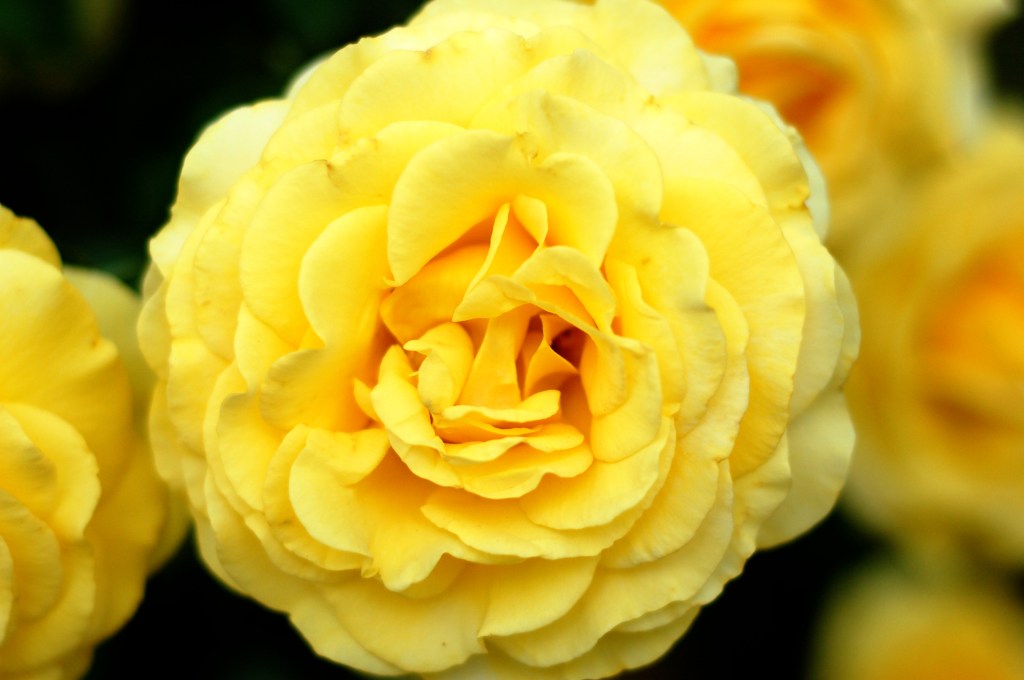
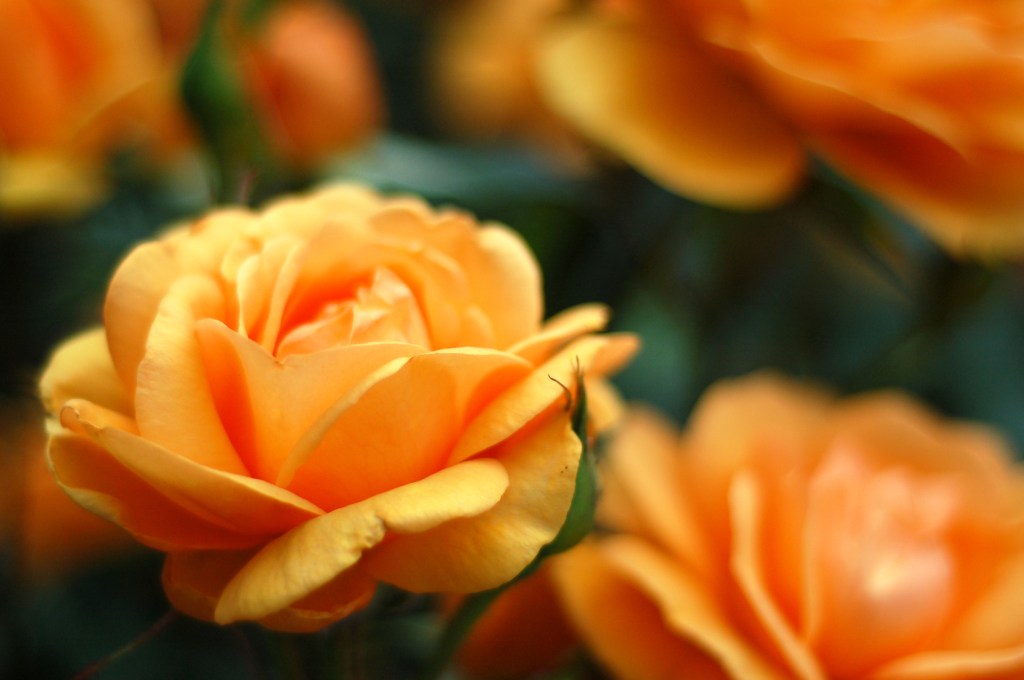
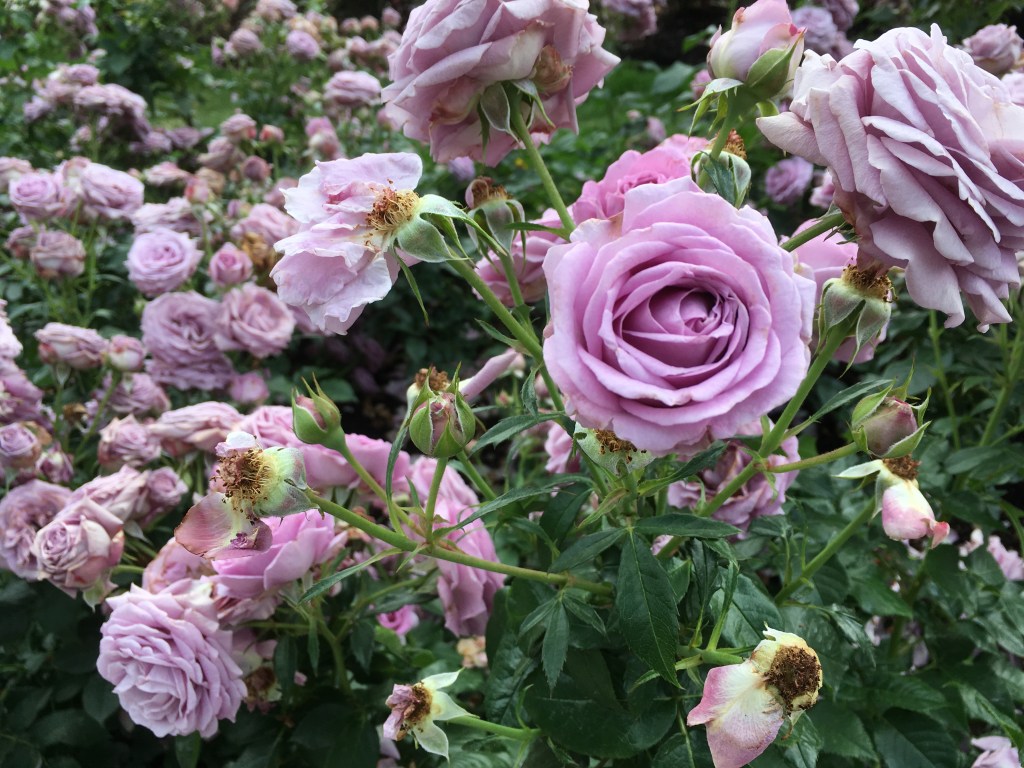
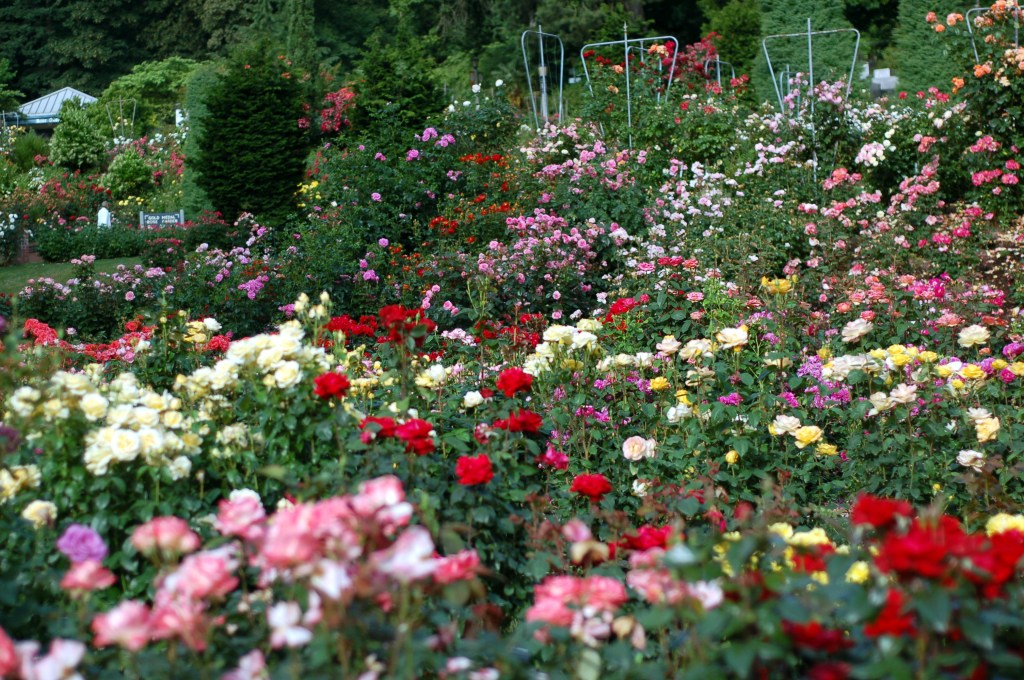
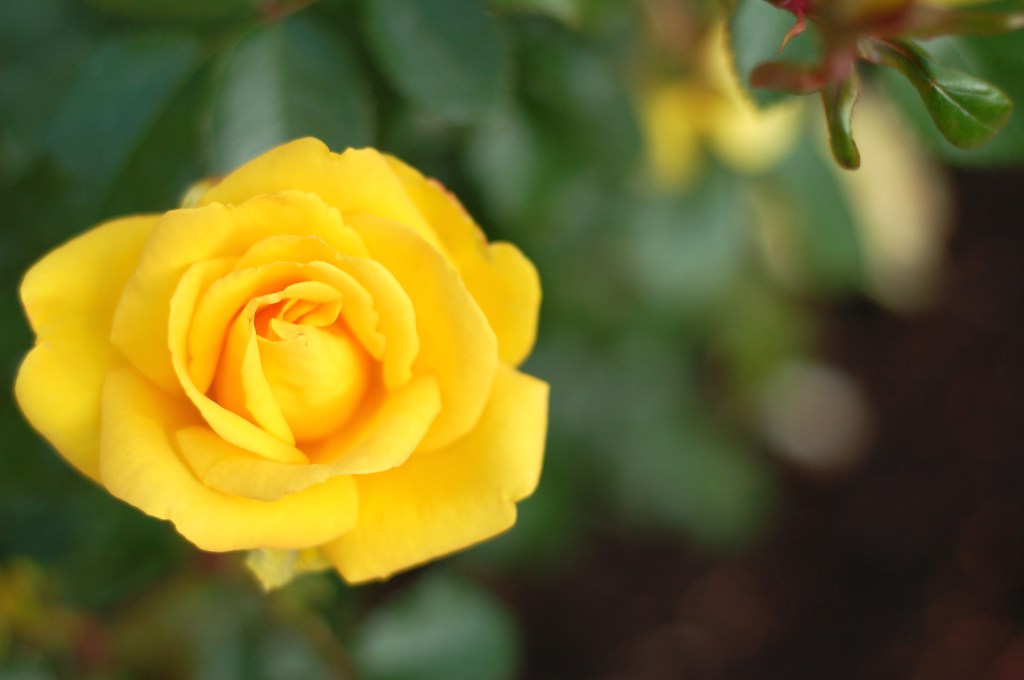
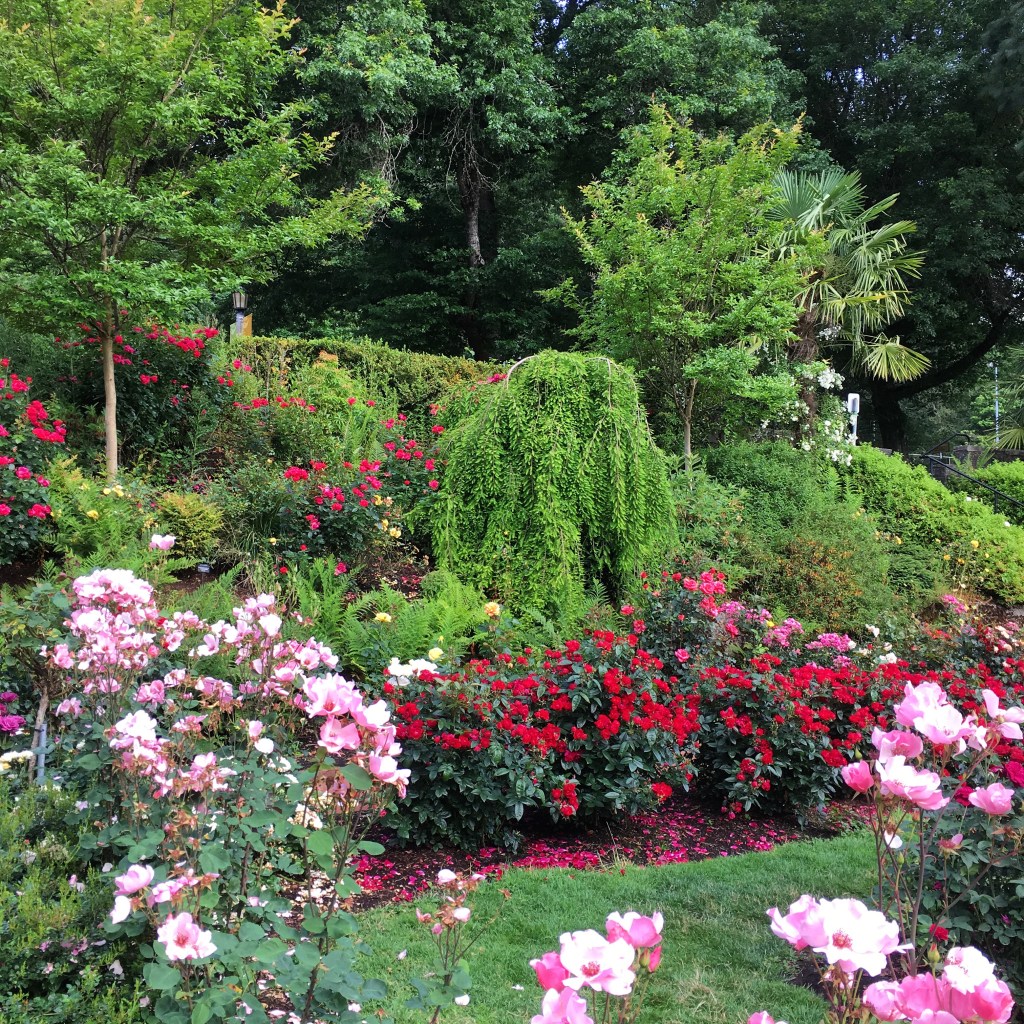
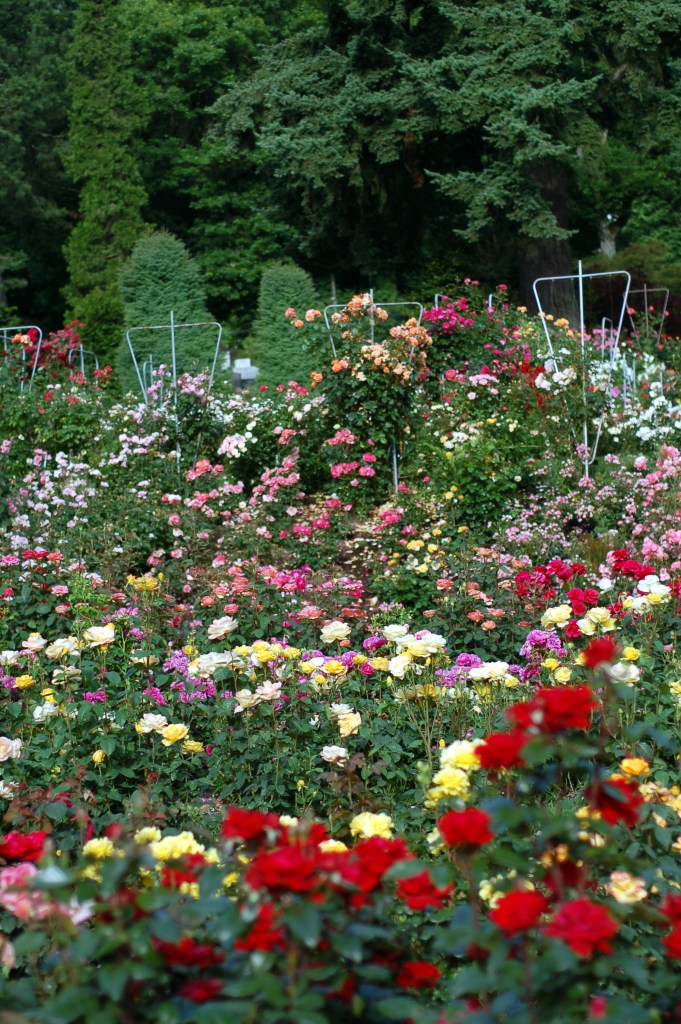
What a treat! June is peak rose season in Portland. We were surrounded by hundreds of rose bushes, row upon row down the slope of a hill. Every bush was drenched in blossoms, in white, yellow, peach, orange, red, pink, lavender. The only color not represented was blue, and the blue Hydrangeas made up for that.
Fluffy yellow rosePeach colored roseLavender roses 😍So many rosesMaybe my favorite.Rows of rosesSo pinkI love the backdrop hereMore peach rosesMore lavender rosesA whole hillside of rosesAnd a blue hydrangea
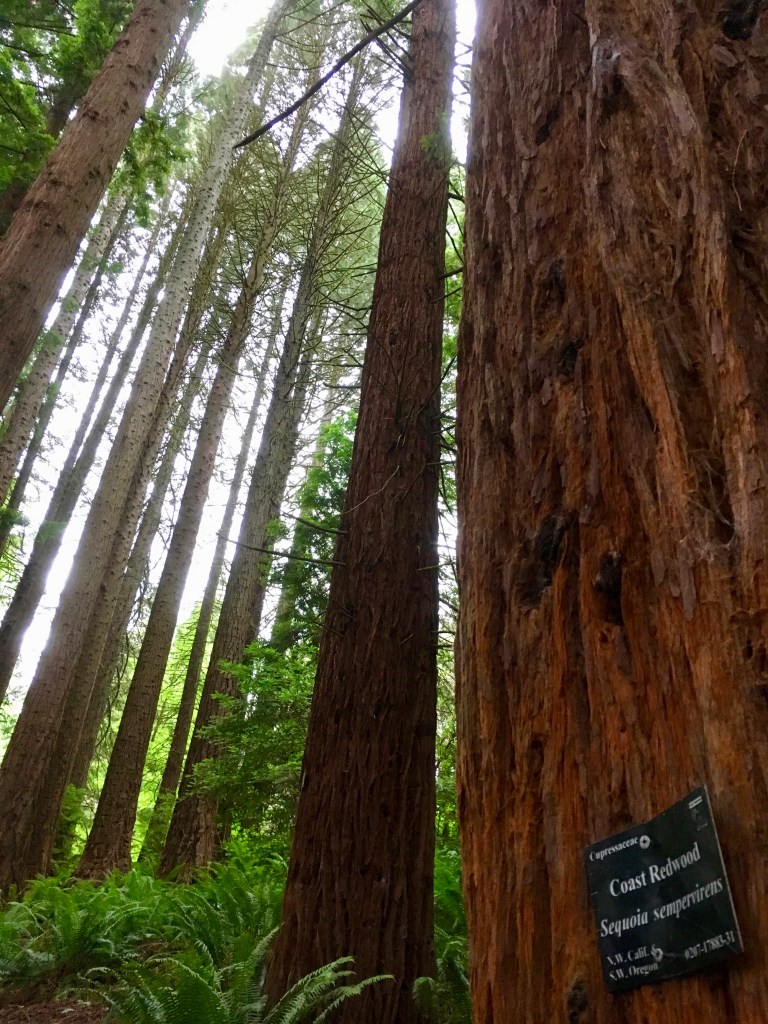
After reflecting quietly among the roses, we hiked through Washington Park to talk and plan. I had no idea there were even more treats in store. I’ve always wanted to go to northern California to see the redwoods, and it turns out there are redwoods right there in Portland. We hiked through a grove of them, and I was awed. I wish our son could have been with me to see them. He loves rain and trees. He’d fit right in in Portland.
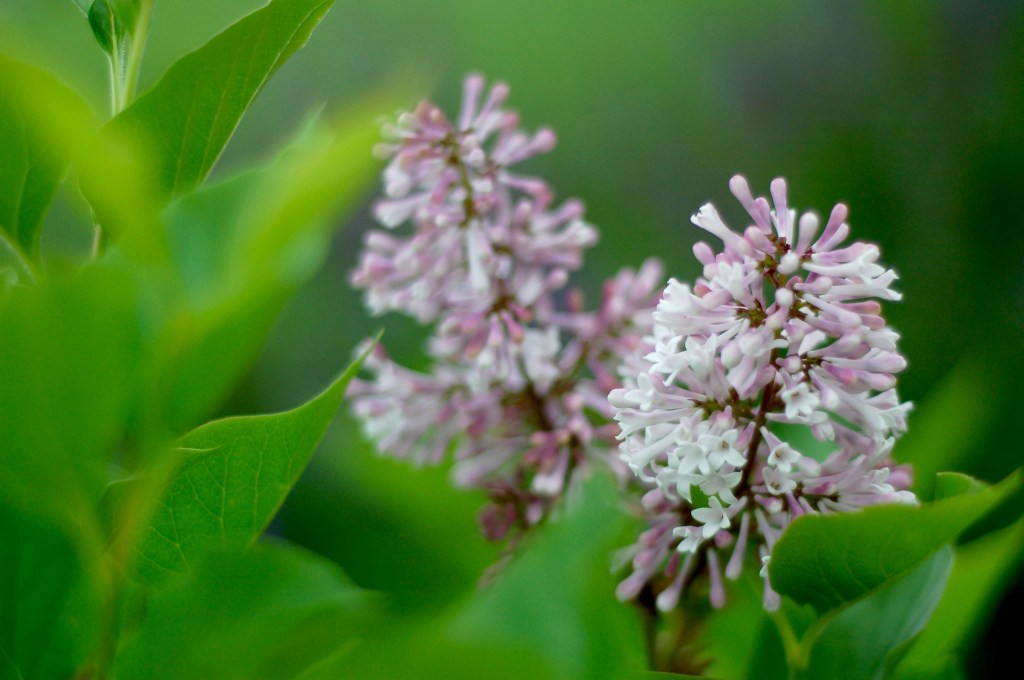
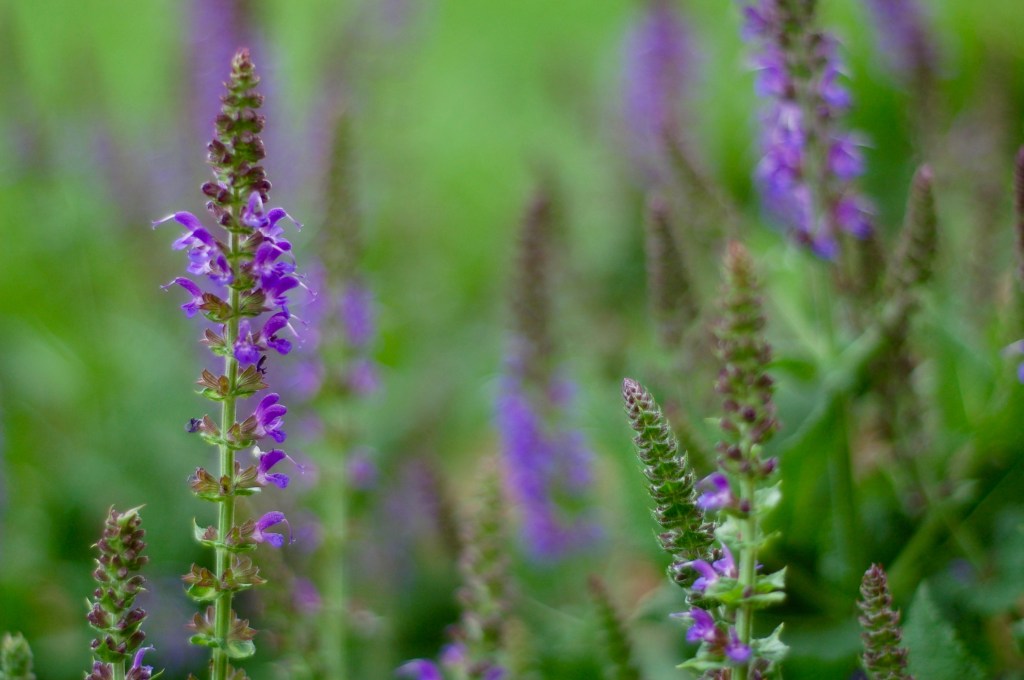
It just wouldn’t be April without a photo essay of the status of the garden. Here’s where everything stands right now, after last week’s drenching rains: herb blossoms, shrubs in bloom, and perennials building up their flowers.
Creeping thymeDwarf lilacIndigo salviaYarrowSedumSome kind of asterEchinacea budThymeFlower box with petunias, alyssum, vinca, and marjoram
Last month, when my poor family suffered snow and wind chills in the negative digits, I was in Mexico for work. We worked hard, I swear. And we also played hard.
After a full week of training, testing, troubleshooting, and writing, we took one day to go exploring. My teammate booked a private van for our group, and we piled in it on Friday morning, March 17, for the 2.5 hour drive west, from Playa del Carmen on the coast to the Mayan ruins at Chichen Itza in the interior of the Yucatán peninsula. I’d never seen archeological ruins before — not outside, in real life, in the physical place they existed.
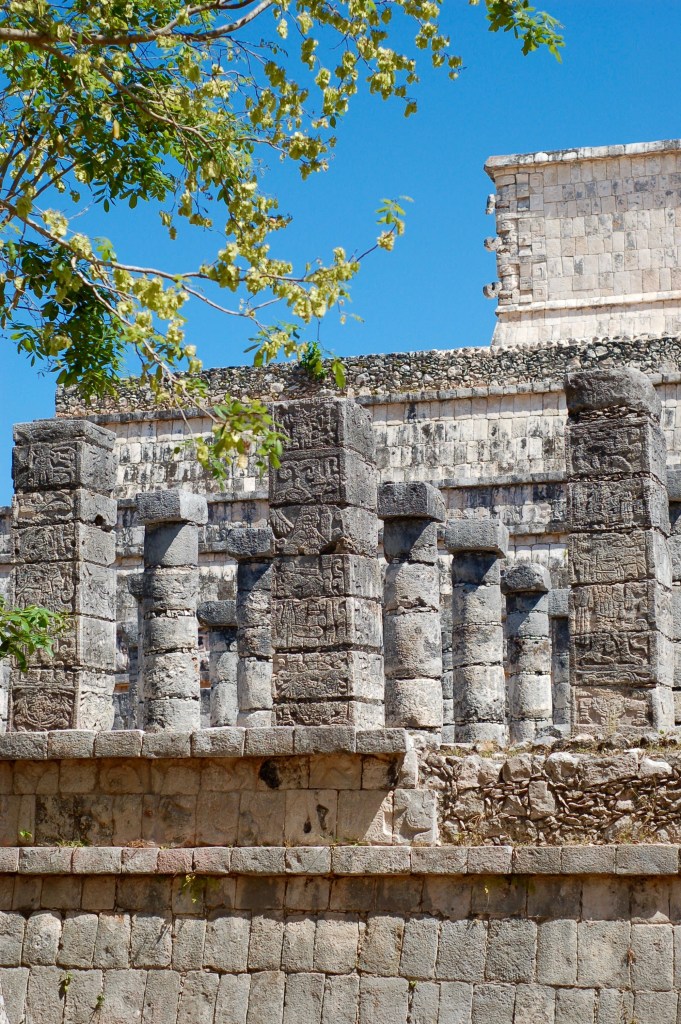
Temple of the Warriors
Anything I’d ever seen was a photograph or a recreation in a museum. It was a wonder to walk around this ancient city that so little is known about. There was the massive ball court, with a ring 30 feet off the ground.
Ball Ring, through which players must hit or bounce the ball in ancient game
There were pyramids.
El Castillo
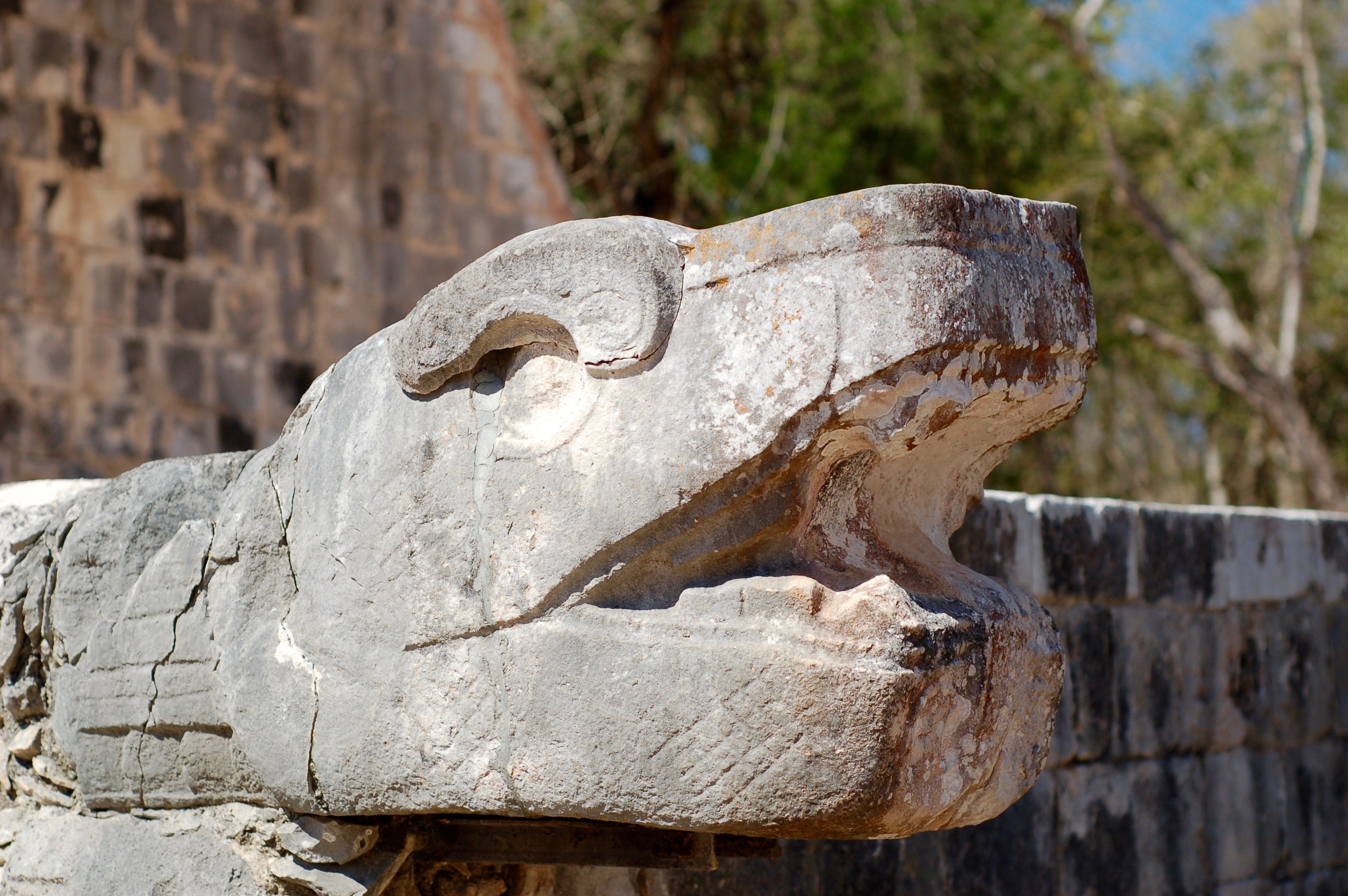
Serpents.
Stone serpent
There was a temple of warriors. I wondered what sorts of sacrifices might have been made there.
Temple of the Warriors
We walked for three hours around this ancient city. I tried to imagine it populated — the smells, the industry, the royalty, the wildlife — lizards, serpents, predatory cats. There was an ancient observatory, and the understanding of astronomy and geometry seemed quite advanced. I tried to imagine the city at night, how dark it would have been. I tried to imagine it through all the days and nights, without books or light or electricity (or electronics!), when they watched stars, solstices, moon phases, equinoxes, eclipses.
I wish I could have taken my family there. There was much history in the stones, the air, the blinding sun, and soaked into the earth in that place.

















 Butterfly Mind