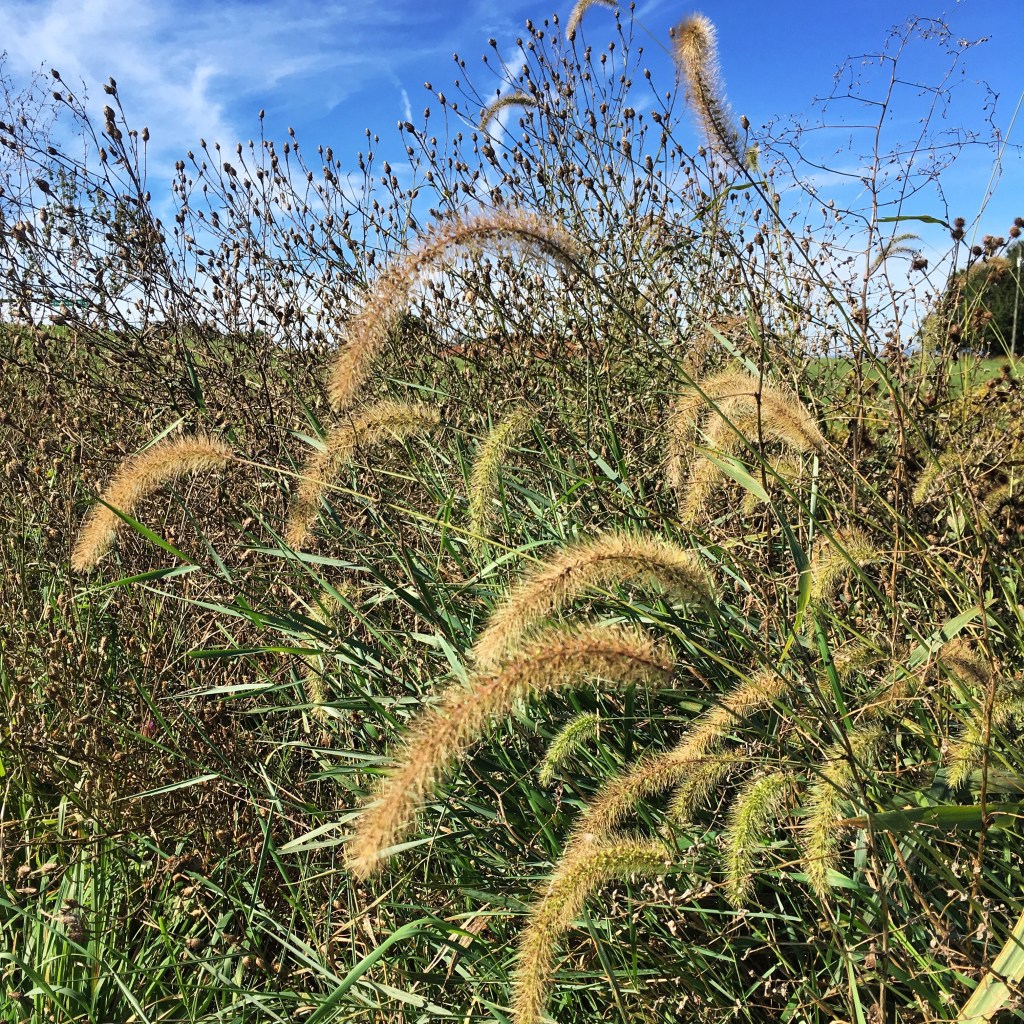
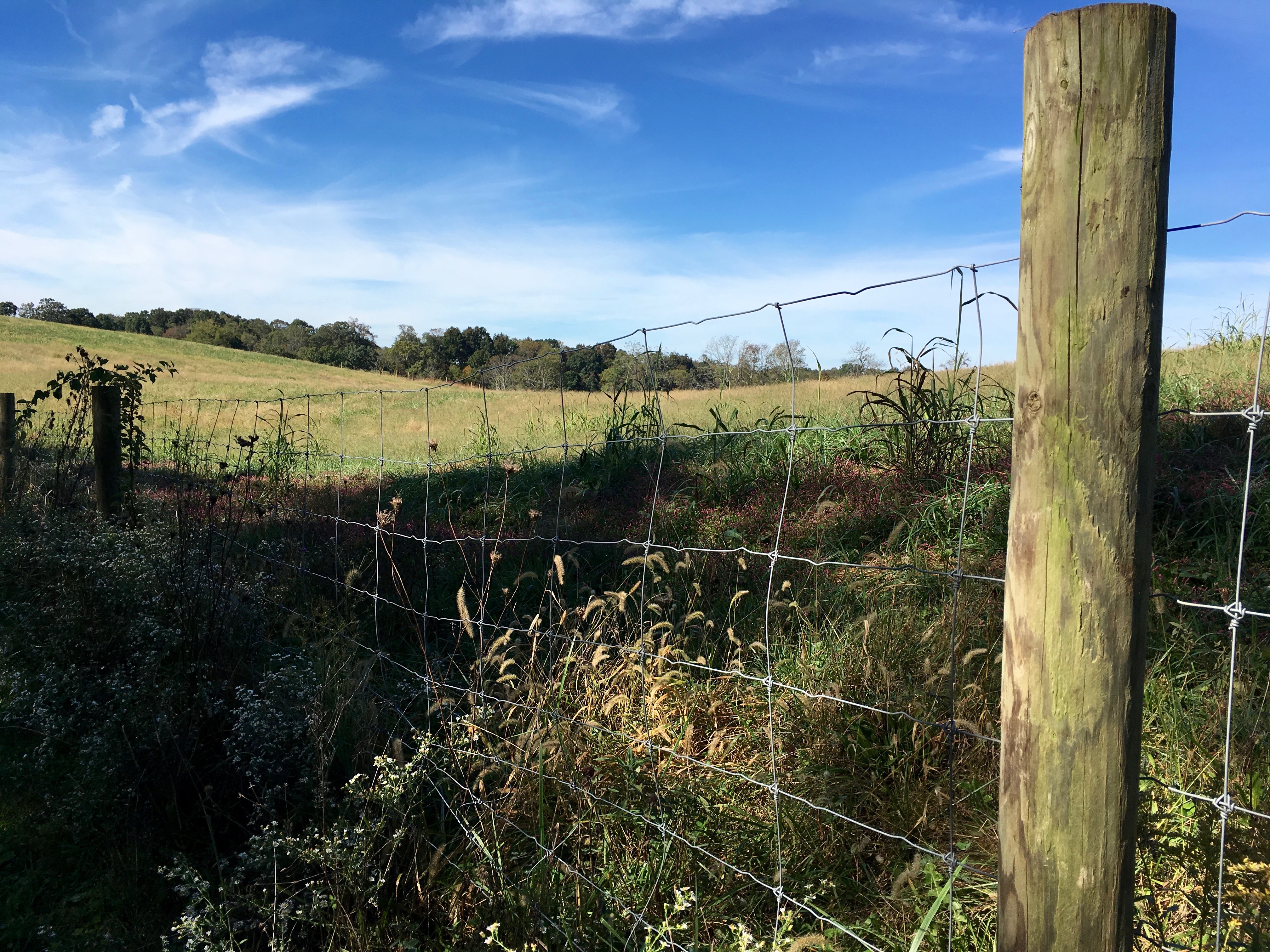
Even at noon in October, the light is beautiful. It shines gold on earth, making the blue sky even bluer.
On my flex day yesterday, I walked the path I used to walk every day when we lived at our old house. I listened to the New Yorker Fiction podcast and snapped photographs of October meadows against a cobalt sky.
On my recent trip to Whistler, British Columbia, I attempted to pack minimally. I reduced shoes to 4 pairs — boots, Vans, flip flops, and running shoes — and I left my camera at home.
That last was a big mistake. (As were the running shoes, but we don’t need to talk about that).
I ultimately ended up not going outside very much while in one of the most beautiful places I’ve ever visited. Instead of taking time off to go enjoy the gorgeous mountains and Pacific rain forest, I worked. I know, dumb, right? Now that I see everyone else’s photographs from their hikes, gondola rides, and ziplining, all I can think is, What was I thinking?!
I did go for a brief walk alone on a quest for some fresh air and quiet time, and I was awed by the lushness of the Pacific Northwest. It is beautiful there. I am promising myself now that when we go back next year, I will take my camera as incentive to get myself outside to enjoy it. For now, here are some shots from my phone.
Our grass-killing seems to have worked. After cutting the grass close to the ground, covering it with cardboard, then covering the cardboard with mulch to build up flower beds, we let them sit for a couple of weeks before planting.
On Mother’s Day weekend, we dug more than 150 holes, dropping perennials, annuals, and herbs into our newly formed beds. Now, the garden is growing. Most of the plants are still small, but echincea buds are plumping up, milkweed is blooming, basil is flourishing, and butterflies are finding us.
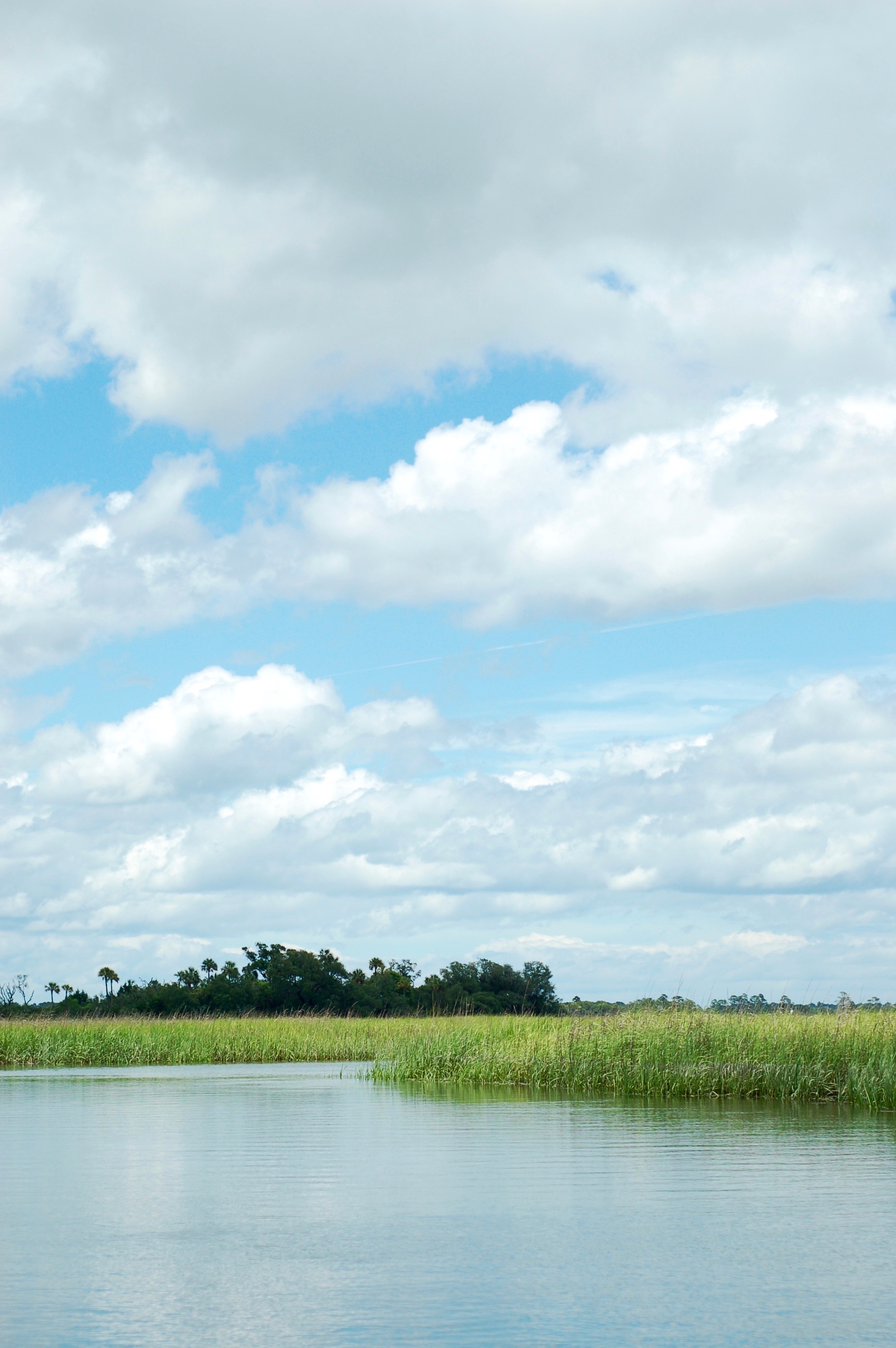
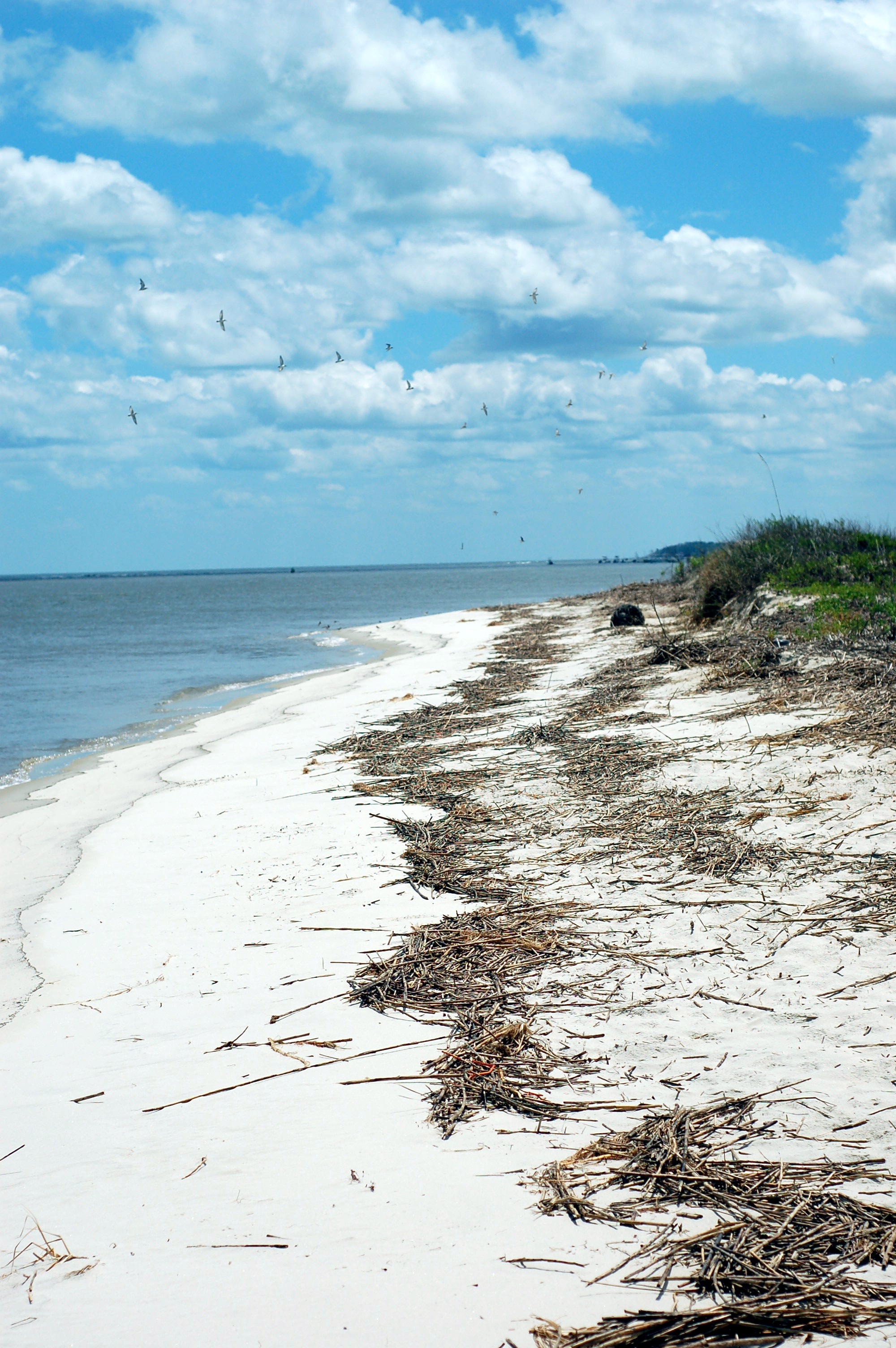
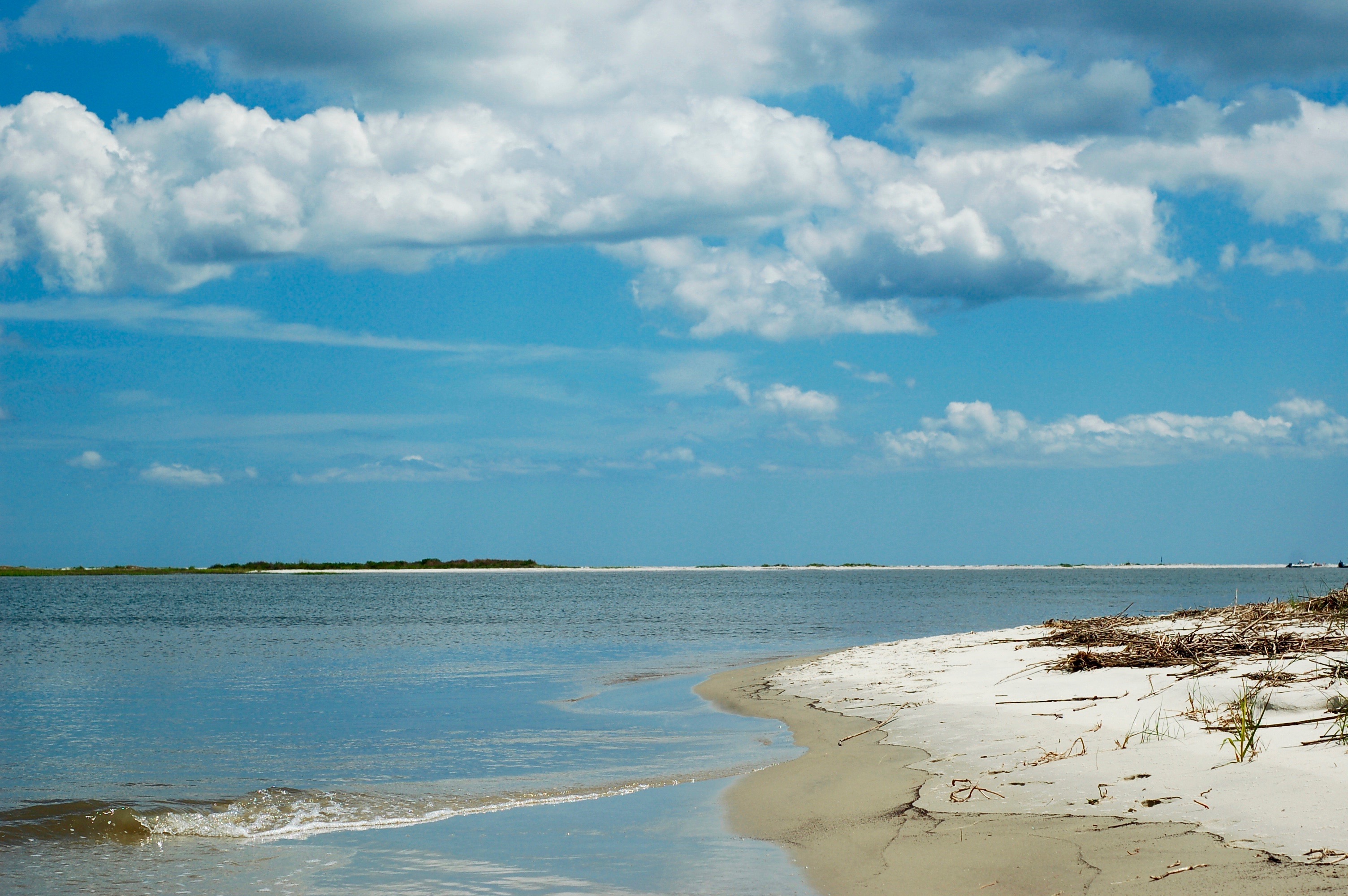
For the first week of summer, I brought our kids to my parents in Georgia, to the tidal playground of my childhood home. Before we arrived, my dad studied his charts to find the path through “the cut,” a serpentine route we navigated on summer days 20 years ago to get to an uninhabited barrier island south of us.
Riding through marshes on a rising tideMy parents and I wanted the kids to experience that boat ride, and the island at the end.
A beach to ourselves Angel wing Our island Palm tree roots and trunk
Sun bleached palm trunk
Riding in boats through salt marshes
Fallen palm tree on beach
Beach on uninhabited barrier island of Georgia
Marshes from the boat
Big sky, marshes, and a palm tree.
Tree trunk bench
The waters and the islands have changed quite a bit. Barrier islands migrate, and tidal waterways shift. But the ride, and the islands at the end, were as quiet, natural, and beautiful as I remember.
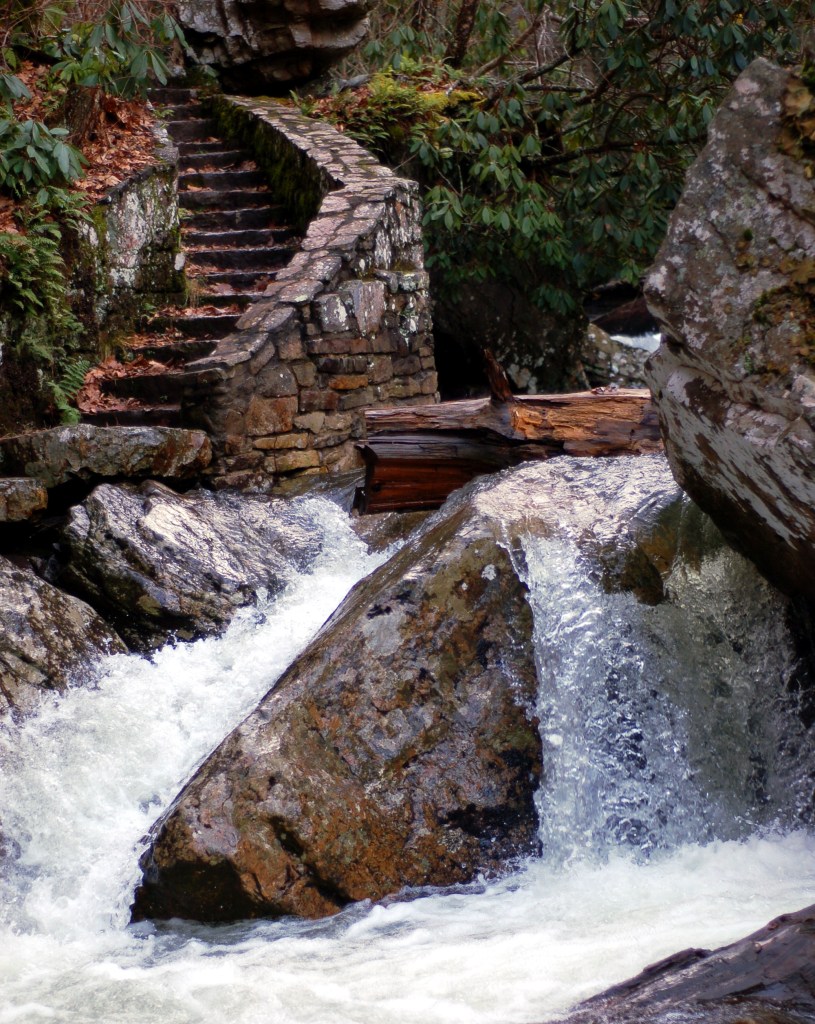
I love stone steps, especially when they climb through the woods to a waterfall. Along with lighthouse stairs, the curving stairs on the hike to the Cascades near Blacksburg, Virginia, are among my favorite stairways.
Stone stairway on hike to Cascades waterfall in Giles County, VirginiaThey are made with stone from the mountain. They are mossy and organic. They look like they belong.
These stone steps are man-made, in harmony with nature. Instead of making humankind feel other, pitting our species against the rest of the natural world, the stairs make me feel included. They make me feel like we belong.
For the month of April, I resolved to publish a blog post each day. This is the final Aprildaily post of 2016, and is in response to the Daily Post one-word prompt, Stairway.
“You know how you can spot a dogwood tree?” I ran my hand down the trunk of one at the Duke Gardens.
“By its bark,” I said. And then giggled. It’s dumb, I know, but it’s one of those things I remember from my ecology classes at the University of Georgia.
Dogwood bark
I can identify dogwood trees now, thanks to that joke, and ours is finally blooming. When the cherries, pears, and redbuds were blossoming, I couldn’t figure out why our dogwood wasn’t full of flowers too. Shouldn’t it come early with the other blooming trees?
In my home state of Georgia, I remember dogwoods being my favorite part of spring. They were the only flowering tree I knew, and when I was in college in Athens, where trees stripped bare in winter, dogwoods flowered before any green reappeared in the woods. I’d drive the three and a half hours from the foothills of the Appalachians to my home on the Georgia coast, and all through the forest, in the otherwise brown understory, I would see small trees dotted with white blossoms. Dogwoods.
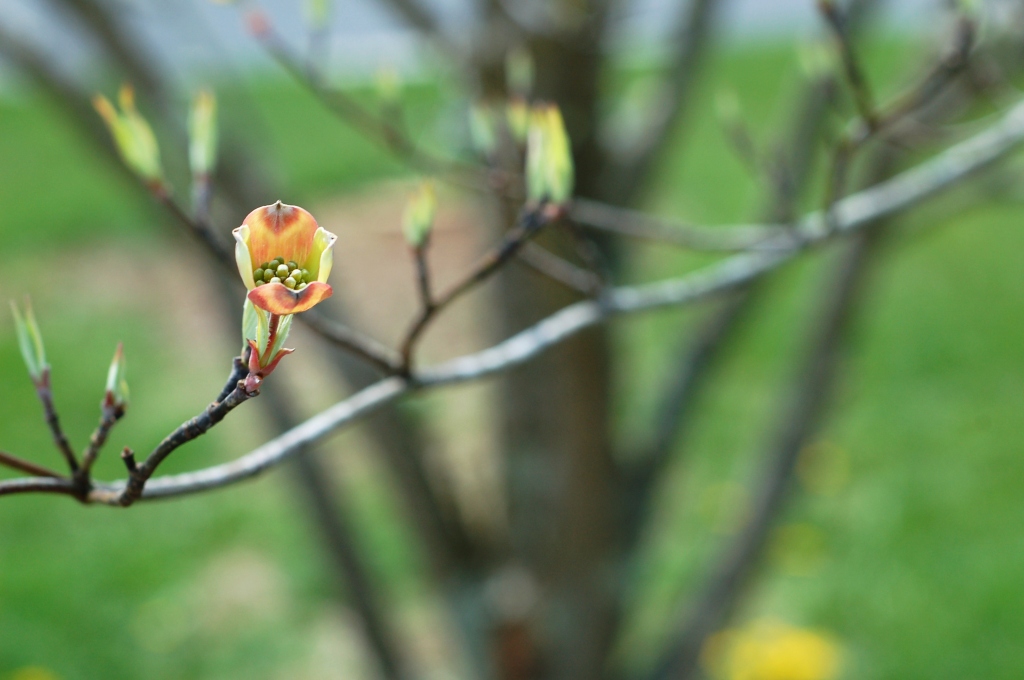
I photographed our dogwood here in Virginia during the time of the cherry, pear, and redbud blooms. The dogwood flowers were small and green.
Dogwood flower, April 2
I thought they’d be peaking the same time as the other flowering trees, so I wondered, Do we have a different kind of dogwood? I had never watched a dogwood flower up close before, so I didn’t know if that was all they’d do, or if the flowers would grow.
White dogwood flower, April 23
The flowers grew. They took their time. Over a period of three weeks, they slowly spread their celadon petals, and they deepened to a rich white.
Maybe I’m remembering wrong about the earliness of dogwoods in Georgia. Maybe they seemed first because they were only. Either way, I love that we have one in our garden. I’m sitting with it now, in fact.
Birds trill, a breeze moves the branches, white clouds drift in a blue sky, and we have a flowering dogwood tree.







 Butterfly Mind