I took our son to the University of Virginia in Charlottesville for orientation Thursday and Friday, and I wanted to go back to school again just so I could hang out there and be a student among the greenery and bricks and columns and trees. Campus is beautiful. I love it there. I hope he will too.
Hydrangeas and random column capitals around groundsA literary society 😍
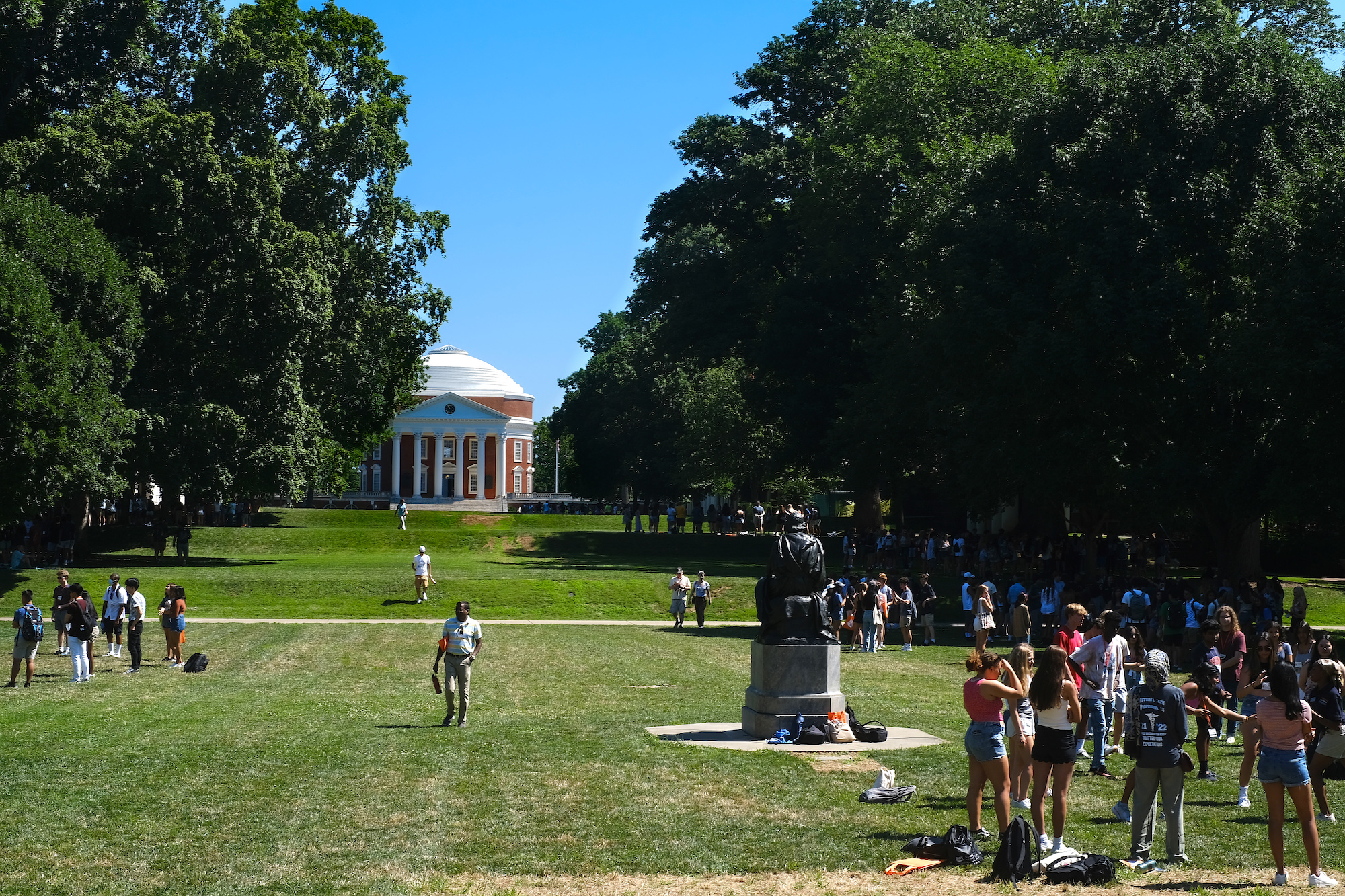
The Rotunda is the heart of the University of Virginia campus, and I can’t get enough of it.
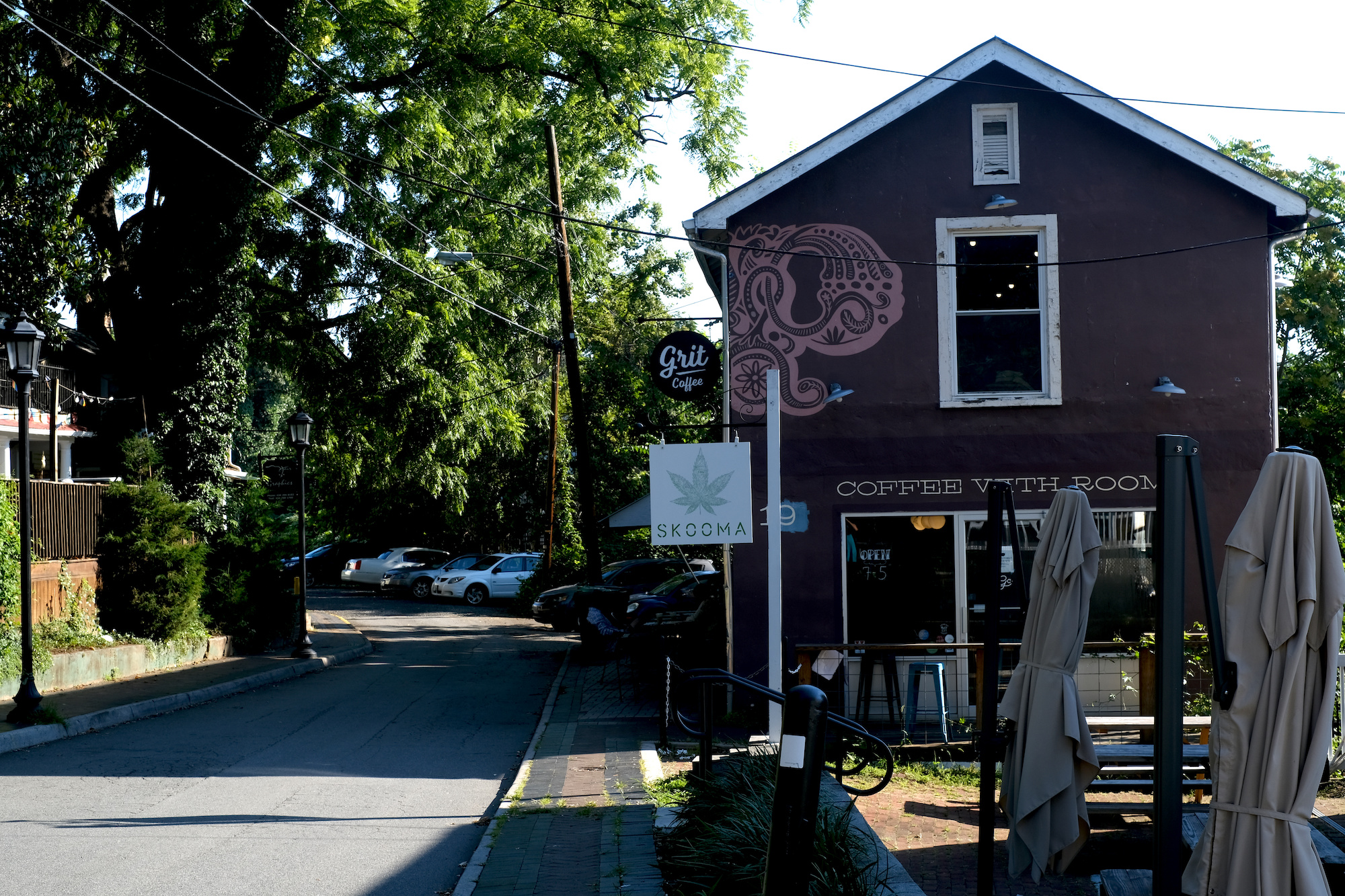
I love my new wide angle lens.Courtyard next to the RotundaI can’t remember all the architectural terms, but I adore the details. I know the columns are Corinthian, and then something about teeth for the little blocks under the eaves…Rotunda poolThe Rotunda in morning lightI wandered around town and found a cute place for coffeeIncoming first-years getting oriented on the lawn
I didn’t cry too much while we were there; tears welled up a few times, and my heart swelled with excitement and pride, but no full on waterworks. I’m not expecting the same for move-in day.
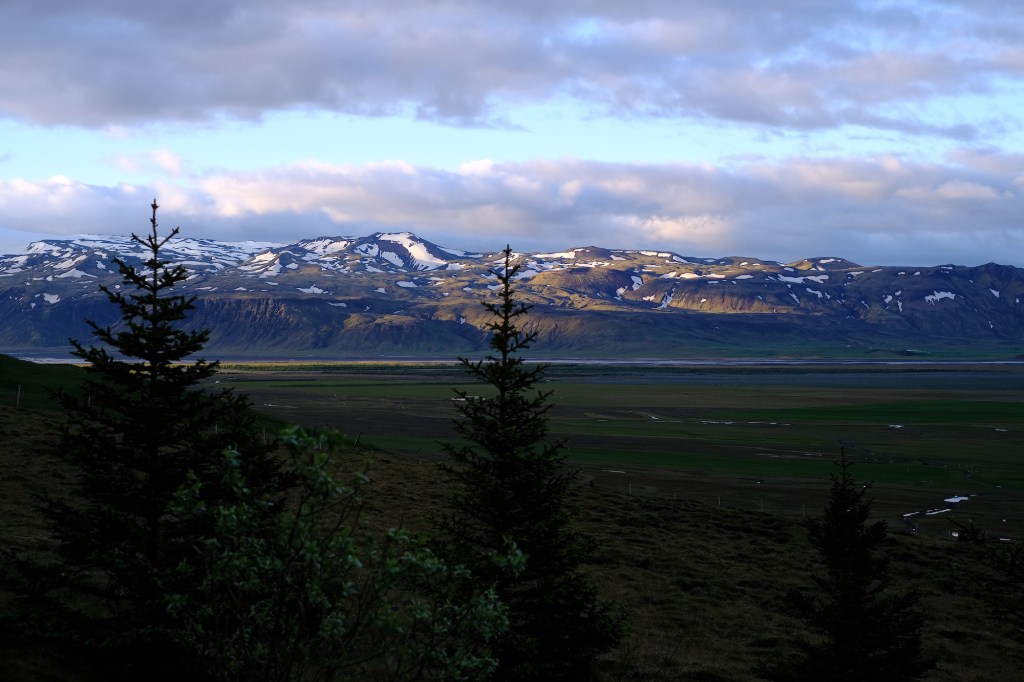
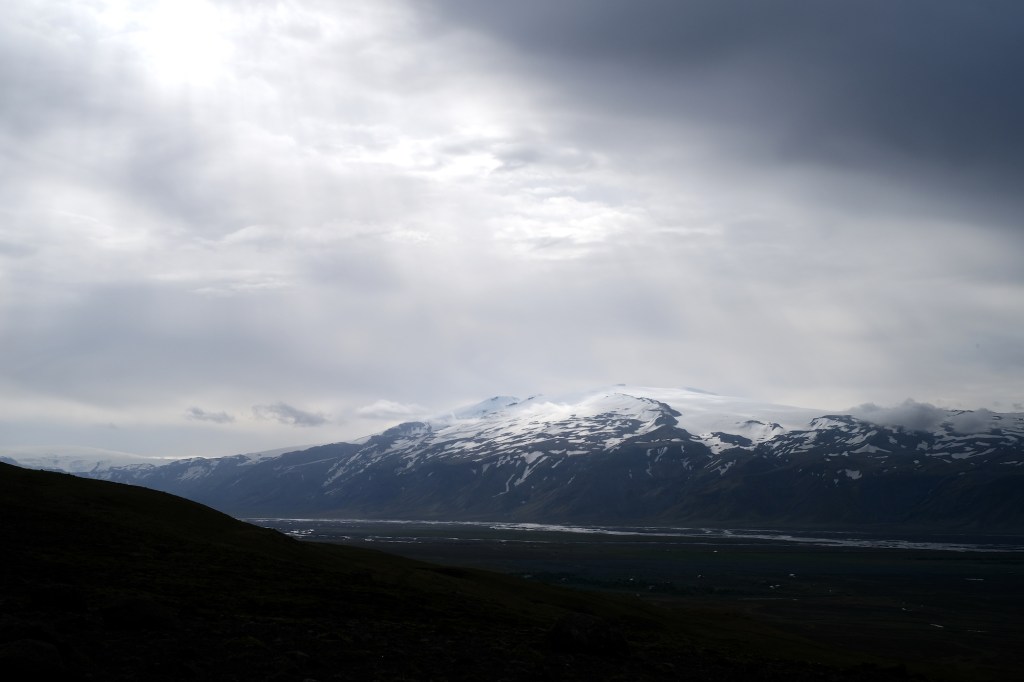
We split our Iceland visit so that we spent a few days in the city and a few more in the wide open spaces of the southern region of the country. For the second half of our trip, we rented an Airbnb 15 minutes outside the small town of Hvolsvöllur, about an hour east of Reykjavík. The house was at the top of a steep gravel climb, with unobstructed views of the nearby Eyjafjallajökull volcano.
Our AirbnbView from our bedroom windowEyjafjallajökull volcano from deck
In the distance on a clear day, we could see the tiny white vertical line of Seljalandsfoss waterfall dropping off the mountainside and the jagged rocks of Vestmannaeyjar — the Westman Islands — jutting out of the ocean.
10pm 11pm3:30amSunset and sunrise light on Eyjafjallajökull
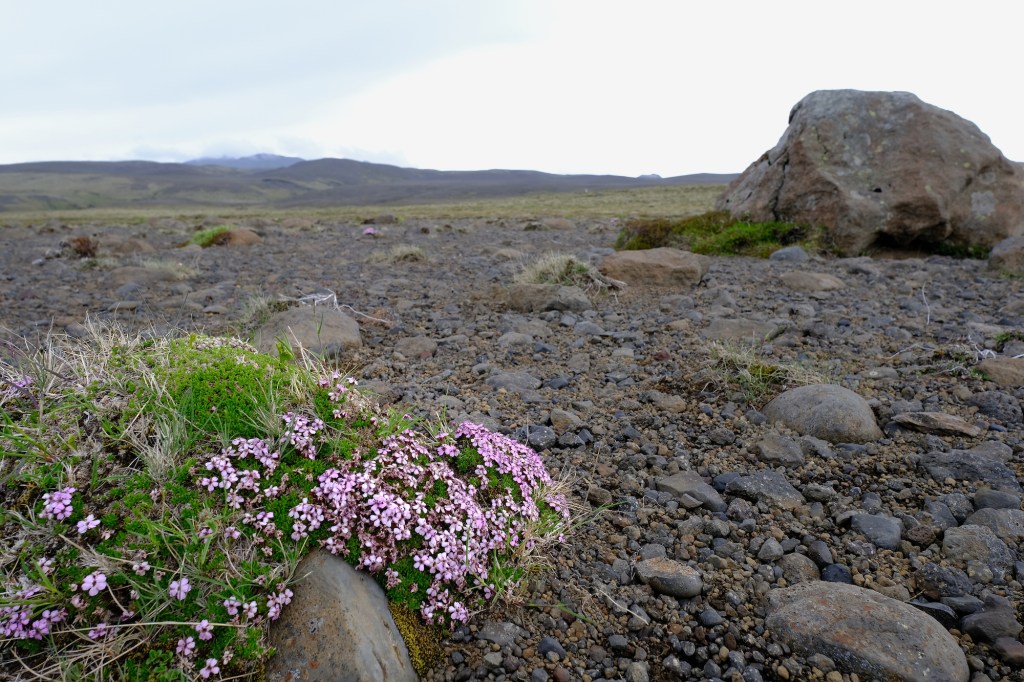
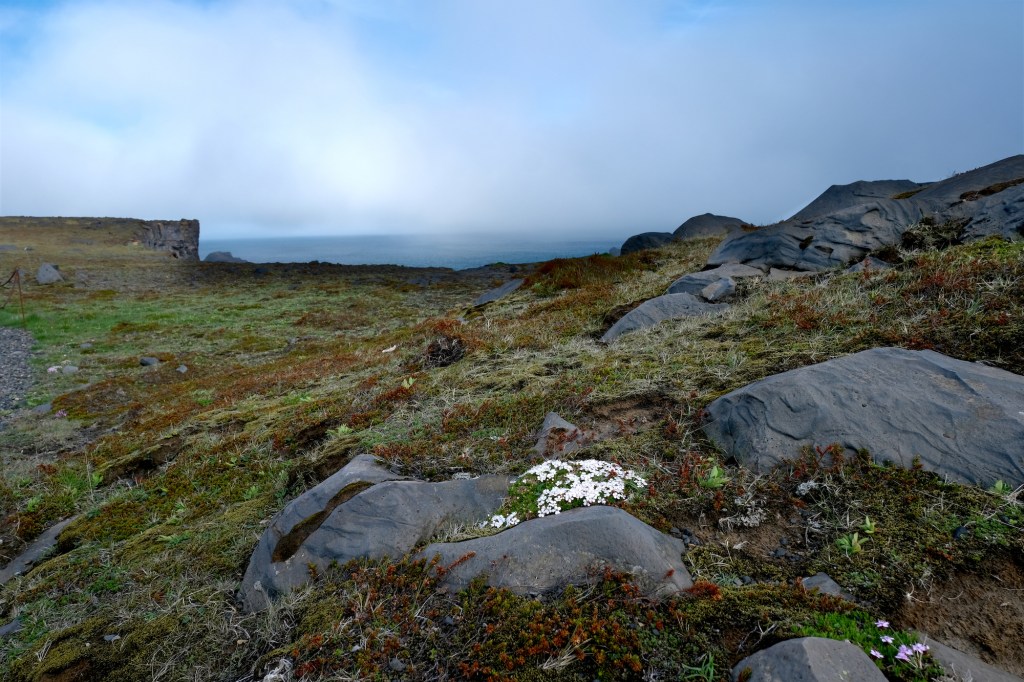
One day while everyone else was still sleeping I walked around the area near our Airbnb. Our host told us we could walk to the top of the hill behind the house for some great views, so I walked up the gravel road where I found a small set of three steps over the sheep fence. Once over the fence, I looked out onto a vast expanse of hills with nothing on them: no structures, no roads, no foot paths, no trees, no animals. Just moss and lichen and hills and valleys as far as the eye can see. It felt strange to go up there — did anyone own this land? Was I trespassing? Would a large animal come barreling out of nowhere? But we checked with the host and she said it’s fine, trespassing is not really a thing around there, and that we were free to enjoy and explore. So we did. Mostly I just photographed little flowers.
From the hillside near our Airbnb
We attempted a hike one day that wasn’t too far a drive from the house. Where the gravel road intersected with one of the F-roads (roads that require 4WD), there was immediately an unbridged river to cross, along with two signs with big red Xs that said “Impassable.” We did not try to cross the river in our rental Suburu. We backed up and took our original gravel road back around to where we think the parking area was.
When we arrived where we thought the trail would be, there was a ripping stream to cross before we could even get to the trail. On the other side, we could not see the trail, despite an open view of where the trail should be. There were no other cars or people for miles, and we couldn’t find a crossing that we felt good about, especially not to get ourselves or our gear soaking wet before we even began the hike. So we just walked along the rushing water for a bit, our son crossed for fun to see if he could do it, and we enjoyed the wandering sheep.
All aloneWe followed a sheep path along the stream for a bitSheep along the roadsideLook at all those little waterfalls on the hillsideCrossing the stream for funWe didn’t find our hiking trail but the scenery wasn’t bad
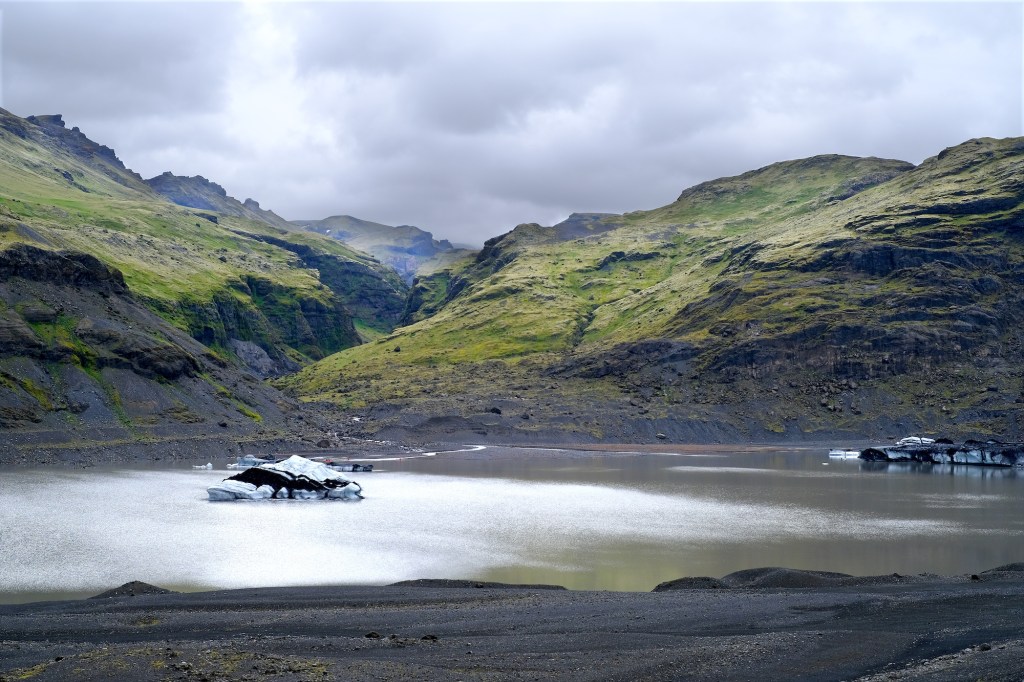
It turns out that the F-roads hadn’t opened yet; we were still early enough in the season that they were too treacherous to attempt. On another day, we had wanted to try another hike, to a mountain colored by minerals that would have required travel on F-roads to get to it. After our first encounter with an impassable F-road, we learned more about the route and saw that even if the roads were open, we would have had to cross about 20 unbridged rivers and streams to get to our hike. So we went back to watch puffins again instead, and took a little side trip to a glacier.
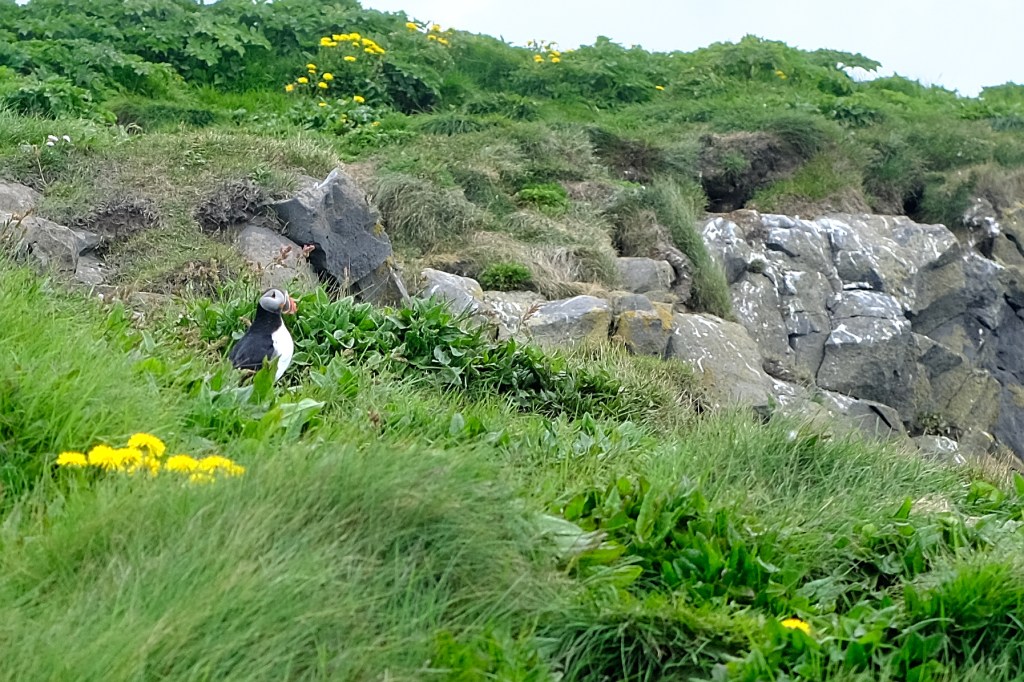
Puffins!Love these little birdsEdge of a glacierChunk of glacier in the meltpoolGlacierOur final day of exploring in Iceland
We had an amazing trip, and I’d love to go back and spend more time. We squeezed a lot into our few days there, and if we were to go again, I’d want to take things slower and savor each place more. Maybe go a little later in the season as well, like July or August. I have a sabbatical coming up in a couple of years, maybe that will be a good time…
Our trip to Iceland was a graduation gift to our son, so while we were there, we wanted to make sure he got to see and do all the things he was hoping for when he selected Iceland as our destination. When he realized we’d have the opportunity to see puffins, that’s the thing he wanted most to do.
We saw puffins on our side trip to the black sand beach, and after some research, my husband discovered that the jagged rocks we could see way off in the distance from our Airbnb are home to one of the largest Atlantic puffin colonies in the world: Vestmannaeyjar – Westman Islands. And! There was a ferry to the islands only a half hour away from our house.
We booked tickets for the four of us for the next day. The main island, Heimaey, is only about 5 square miles, and I was tempted to just explore on foot. Luckily, after looking at the weather forecast, my husband booked a ticket to take our car on the ferry too. I would come to thank him over and over for that decision during the 5 hours we were on the island.
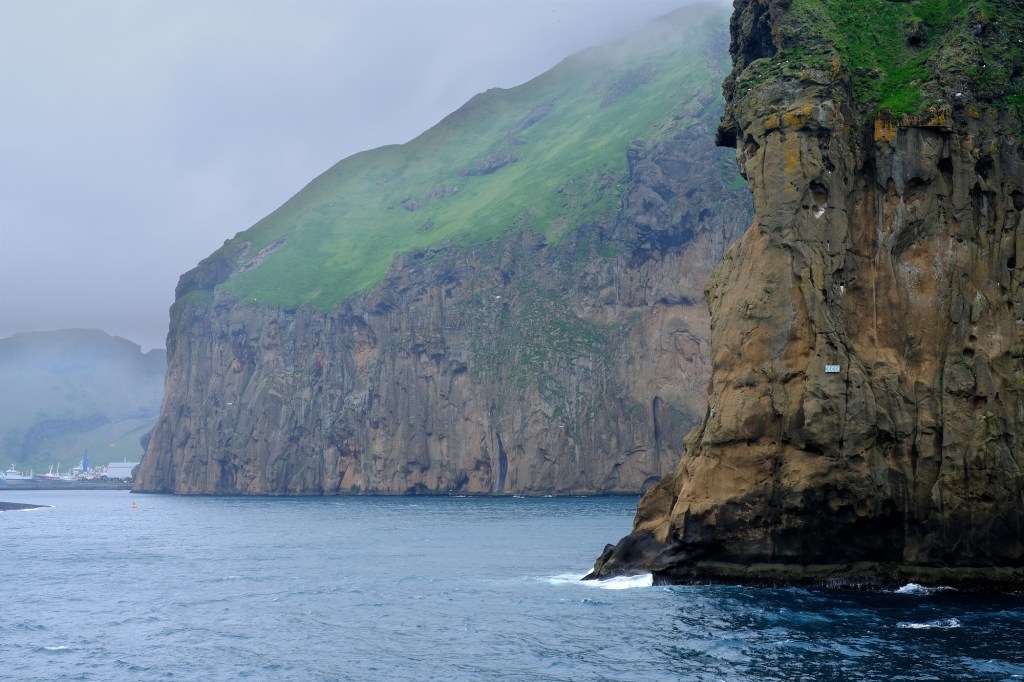
Up until our island day, we had spectacular weather: sunny and warm enough to sometimes not wear a fleece or hat or windbreaker. On this day, though, the forecast was more dreary. Rain and drizzle, wind, and cooler temperatures. On deck on the ferry, the wind cut right through you, the sky was steel, and the ocean was a frigid-looking dark glacial blue. As we approached, the islands were spectacular to behold, especially cloaked in fog and mist. The fog and mist made them difficult to photograph; my pictures don’t do their majesty justice.
Approach to Vestmannaeyjar from the ferryCliffs of Vestmannaeyjar from the waterMore cliffs of VestmannaeyjarBoat tucked out of the weather in the opening of a cave
We were already cold when we landed, so we headed directly to a café for coffee and croissants (and pretzels and fried dough). Then we drove across the island to see the bajillions of puffins we were promised.
When we arrived at the puffin nesting, the wind and rain were blowing sideways. Also, we were in a cloud. And it was cold. And wet. We started off on an upward trail that headed deeper into the mist and harder into the wind, and proceeded to get drenched. We had every bit of our gear on — sweaters, fleeces, wool socks, wool hats, raincoats — and still we were cold and wet. “Uhh, I think there’s snow mixed in with the rain, Mom.” Maybe? I couldn’t see through my droplet-covered glasses, but it sure felt cold enough.
We saw no puffins; it’s hard to see down onto a cliff face when you’re on the land directly above it. The wind was strong enough and the footing dicey enough that getting too close to the edge of a 600 foot drop onto wave-splashed rocks wasn’t something any of us felt good about. We turned around, dripping wet, and walked a short path to a small building that looked like bathrooms was perched on the cliff’s edge. We went inside, where the cold wind blew through the cracks, and saw that it was a puffin-viewing room. From there, we did see puffins on a facing cliff below us, but they were far away and the windows were milky and hard to see through. That was as close as we were going to get to puffins.
Five minutes into our five hours on the islands and we were cold, wet, and had done the thing we came to do. But! We saw sheep on the trails. Sheep who did hang out at the cliffs’ edges — right up on the edge — and who bleated at us when we walked by.
I guess the best grass is where you can let your butt hang off the edgeLambs 😍Windy sheep
With the weather as it was, none of us with rain pants, all of us soaked and shivering, we got back in the car, cranked up the heat, and drove around the island and hoped for the rain to stop. About a half hour later, we parked down at the black sand beach below the cliffs to see if we could see anything from there.
Black sand formation – so coolHillside where I saw puffins from the beachAs close to the edge as I was willing to get
We walked out onto the windy beach, where I saw puffins up on the grassy hill nearby. The kids opted to go back to the shelter of the car; I hiked up the hill for a closer look. I did get to see a few puffins flying around and landing on the grass. I didn’t get photographs on this trip. The puffins were still a bit far away — they were more savvy about flying away when people got close than the ones we saw on the main island of Iceland the day before — but it was fun to watch them fly. They’re comical; they look like tiny penguins and don’t look like they should be able to lift off into the air.
After the beach, I was cold and wet enough that I also took shelter in the car. The mist and rain made it hard to see anything even if we could have seen out through the fog on the windows. Despite the fact that we saw more puffins up close on our pleasant, dry day at black sand beach where we weren’t trapped on an island in sopping wet clothes for multiple hours, the trip wasn’t a complete bust. Seeing those rocky, green-topped islands reach up out of the ocean was pretty awe inspiring, and we all loved seeing (and hearing) the sheep up close, hanging out on grassy clifftops against a backdrop of the northern Atlantic far below us. I’d love to go back on a dry day.
We tried several excursions in Iceland that didn’t quite work out: a hike we couldn’t get across a river for, puffin watching that was obscured by fog, wind, and rain, another hike that was only accessible by a road that turned from paved, to gravel, to rutted gravel, to grass, to grass and mud, to rutted grass and mud on a steep grade in the middle of nowhere. We decided to back out of before we got stuck on a mountainside in Iceland with nobody around for miles.
After that last attempt, the one where we almost got our rental Suburu stuck in mud high up on a mountainside, we decided to take a safe, well-travelled, known hiking trail at Skógafoss, one of the nearby waterfalls we hadn’t been to yet.
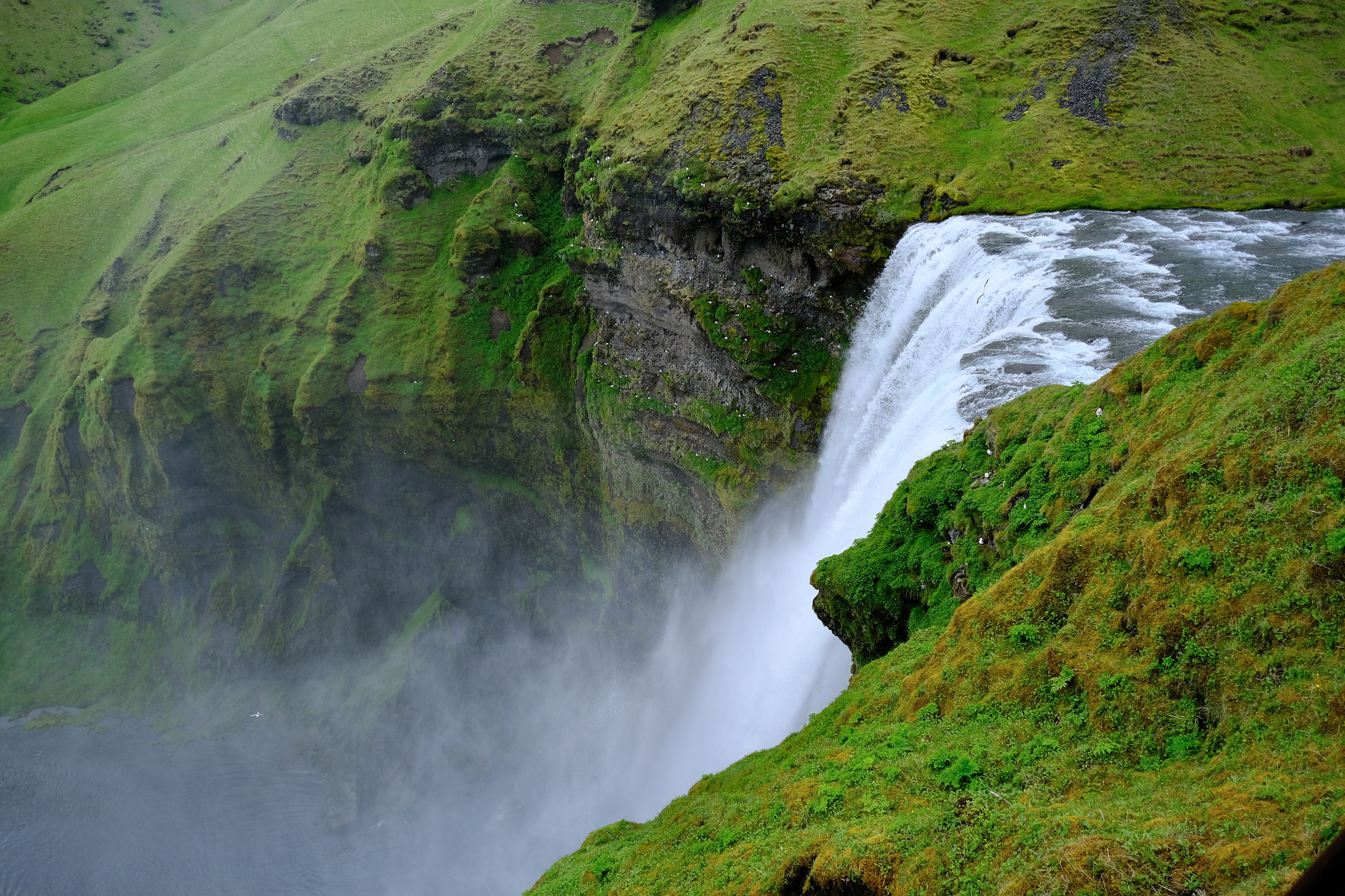
Skógafoss going over the dropSkógafossSkógafoss spray from upper viewing platform
The hike starts with a tremendous staircase next to the first fall of the trail, Skógafoss. The metal stairway climbs a vertical height of about 200 feet in a little more than 500 steps. At the top is a grated platform with nothing but air beneath your feet and a view of the fall from above. I battled vertigo to take a look and watch birds fly below us.
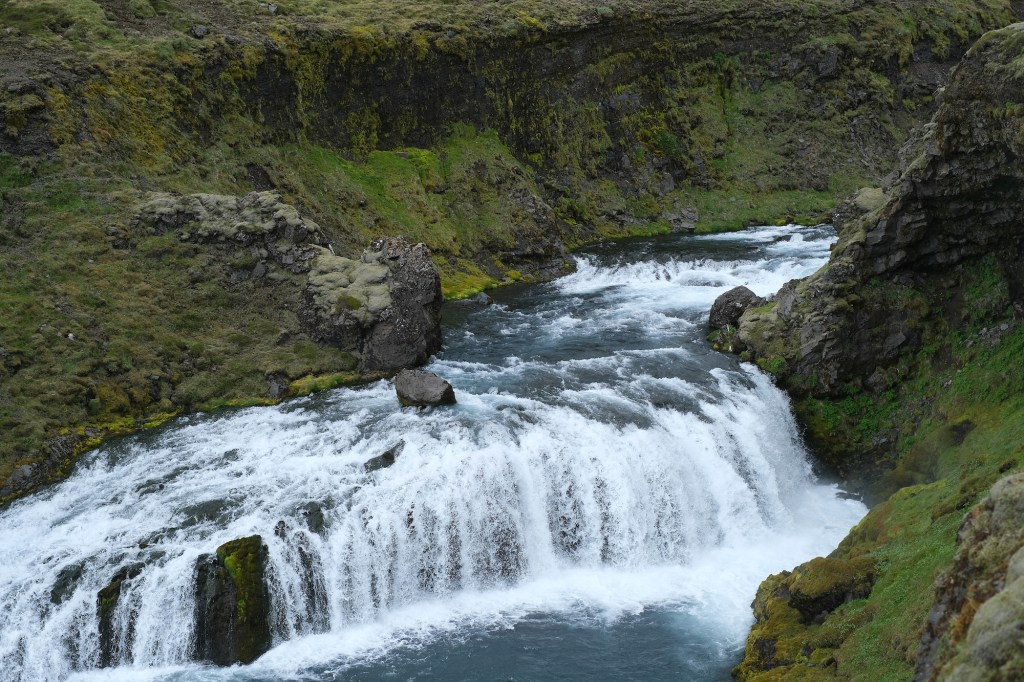
Most visitors climb to the top to see Skógafoss from above, then turn around and go back down, but there’s also a trail – Skógá trail or Waterfall Way — that follows the river for 15 miles, between volcanos, to the river’s glacial origin. Along the trail are so many waterfalls I lost count. We saw six or seven dramatic ones, plus some smaller ones, and we only hiked two miles of the trail. I’ve seen estimates that there are more than 20 falls along the entire path.
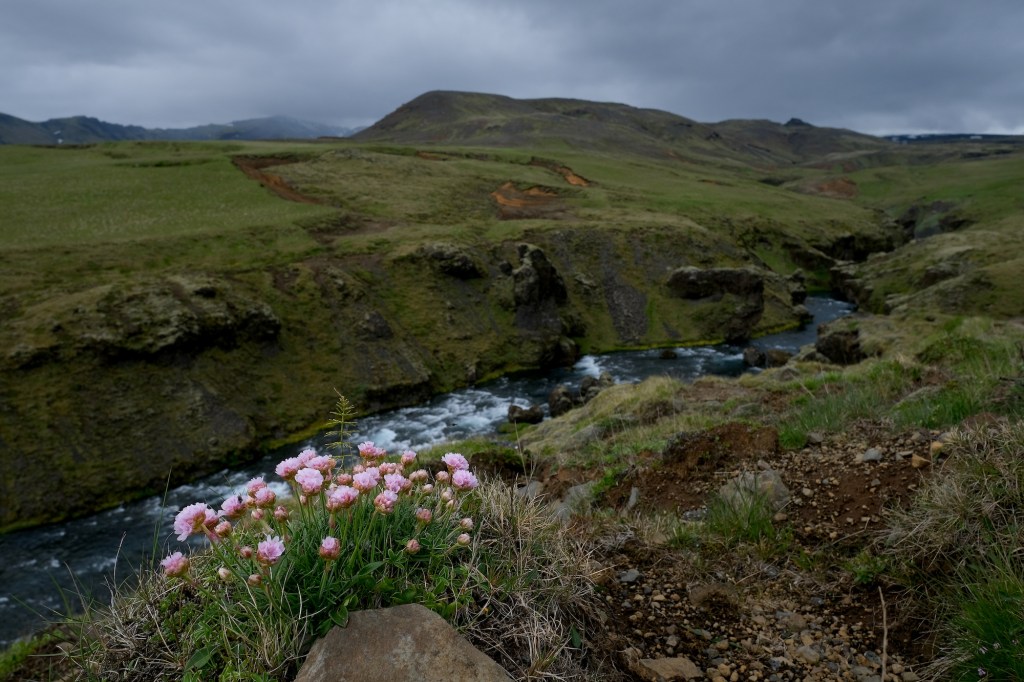
We had a cloudy day after a rain, so the grasses and mosses were bright green, almost neon at times, especially against the grey sky.
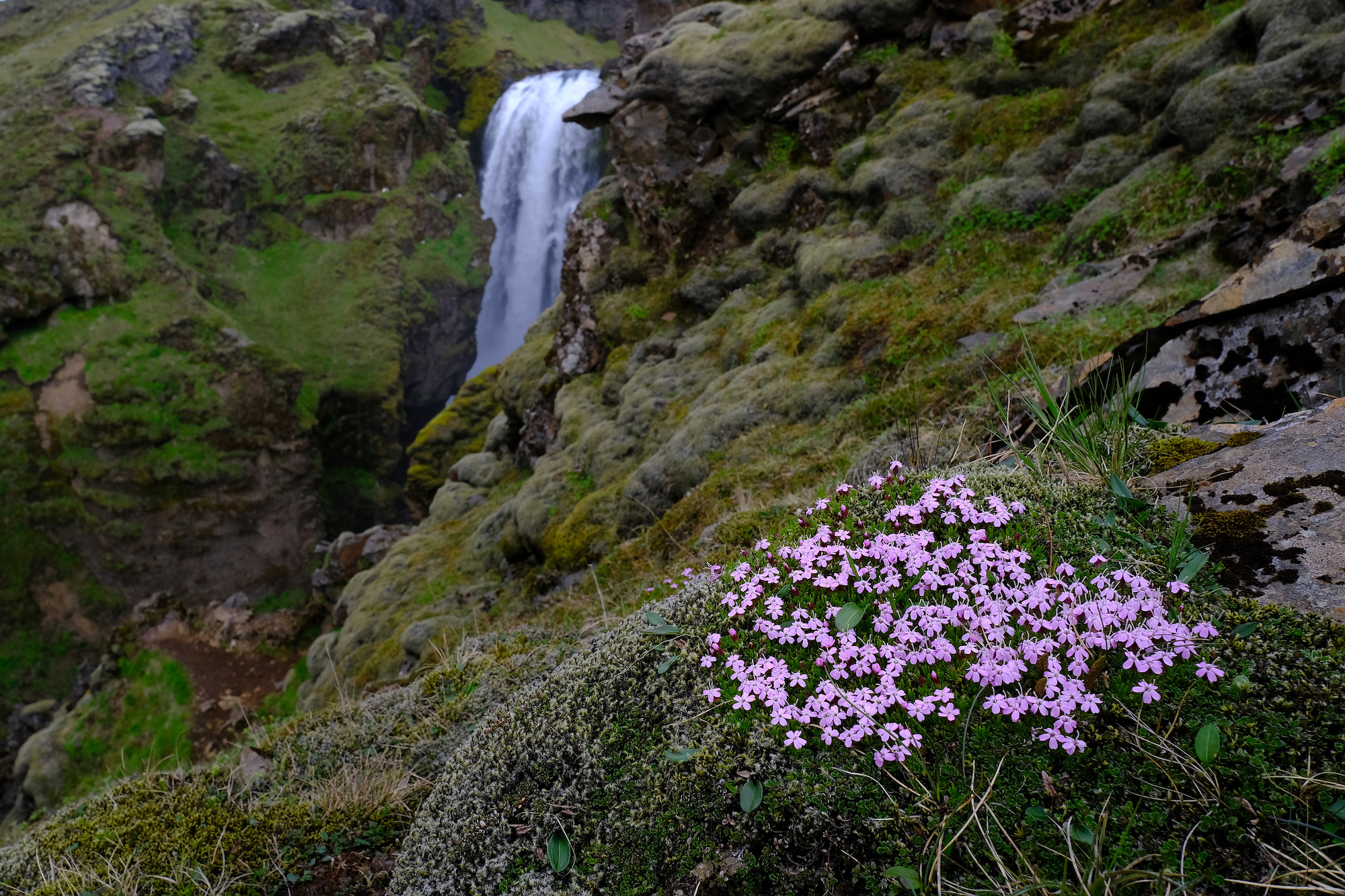
Fall 2 (after Skógafoss): HestavaðsfossFall 3Fall 3Fall 4: SteinbogafossThe third and fourth waterfalls we saw on the Skóga trailI love all the mosses and little pink flowersMore pink flowersFall 5Mosses, flowers, waterfallsOh yeah, in addition to the waterfalls, this hike is full of mountains, rock falls, and rock formationsMy son and I liked the tiny waterfall on the left; I guess these are falls 6 and 7Moss campion, my favorite little flowerWaterfall #8 in fewer than two milesAnd back down at #7 again — I think this one is called High Peaks
Every step along this trail was breathtaking. The trail is well marked and is obviously well trafficked, but it was not crowded; we often had periods where we were the only people in sight, and we sat and watched the waterfalls in solitude. It was kind of overwhelming how wondrous it was.
Two things our kids really wanted to see on the trip to Iceland were the black sand beach and puffins. Opportunities to see both were about an hour drive from our Airbnb, so after visiting the Seljalandsfoss waterfall on our first day in the southern part of Iceland, we continued on to Reynisfjara Black Sand Beach near the fishing village of Vik.
The contrast of black sand against blue sky and crashing arctic waves was a jarring sight to see. It’s unlike what we’re used to when we go to a sandy shoreline where land meets the ocean.
Reynisfjara sea stacks and black sand beach
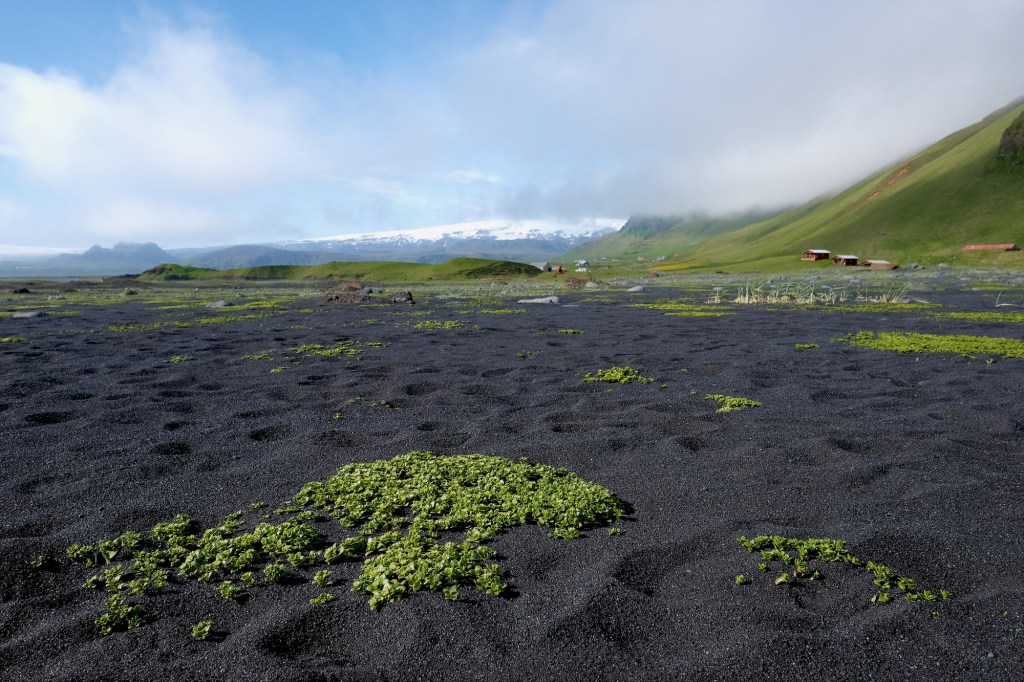
As if the black sand and smooth stones that sparkle in sunlight weren’t enough to marvel at, there’s a giant mass of green mountain that reaches out and touches the edge of the beach, along with the Reynisfjara sea stacks jutting out of the water near the beach, neither of which are anything like we’d see at home. The beach plants were different from what we find in dunes on the east coast of the US, too; I love these little succulents in the foreground.
Green mountain meets the sea at a black sand beach
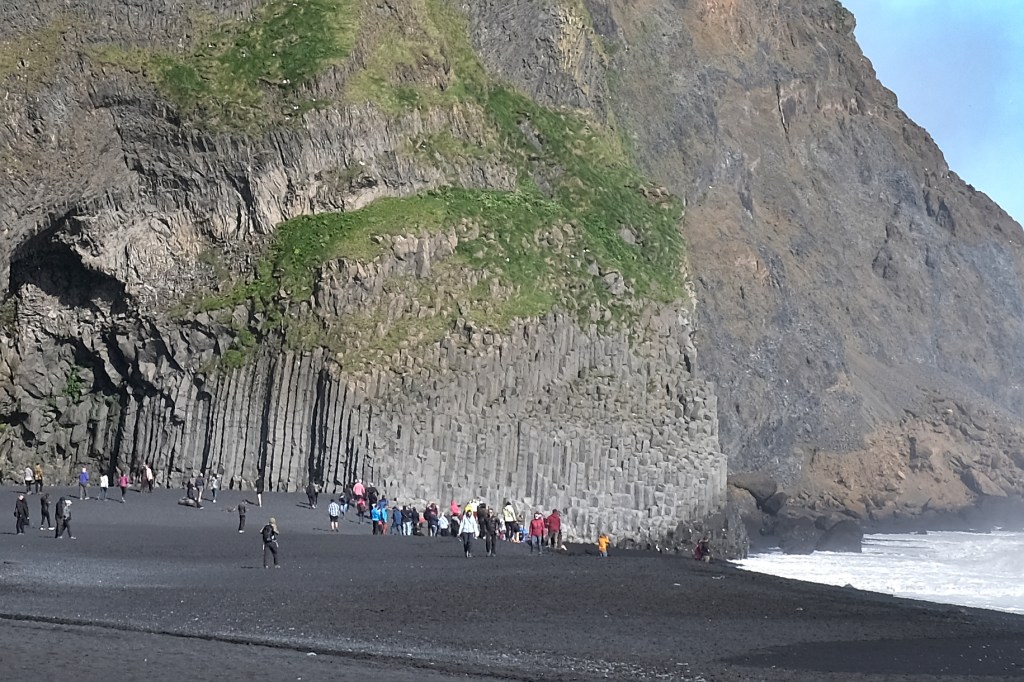
Where the land mass meets the sea is a mass of basalt columns that blow my mind in their rectangular geometry, almost like crystals but on a much larger scale. The blackness of the sand also made it hard to get the exposure right on my camera :D.
Basalt columns at black sand beachBlack sand and shooting towards the sun: failI love the snow-capped mountain peeking through in the background
A few minutes up the road from the black sand beach is the Dyrhólaey promontory where you can often see puffins, along with getting great views of the beach we were just on. We drove over, and to get away from the crowds who gathered at the easy to access spot from the parking lot, we attempted a hike to the top of one set of cliffs. Instead, we ended up in a cold windy cloud that soaked us and provided no visibility.
Foggy hike
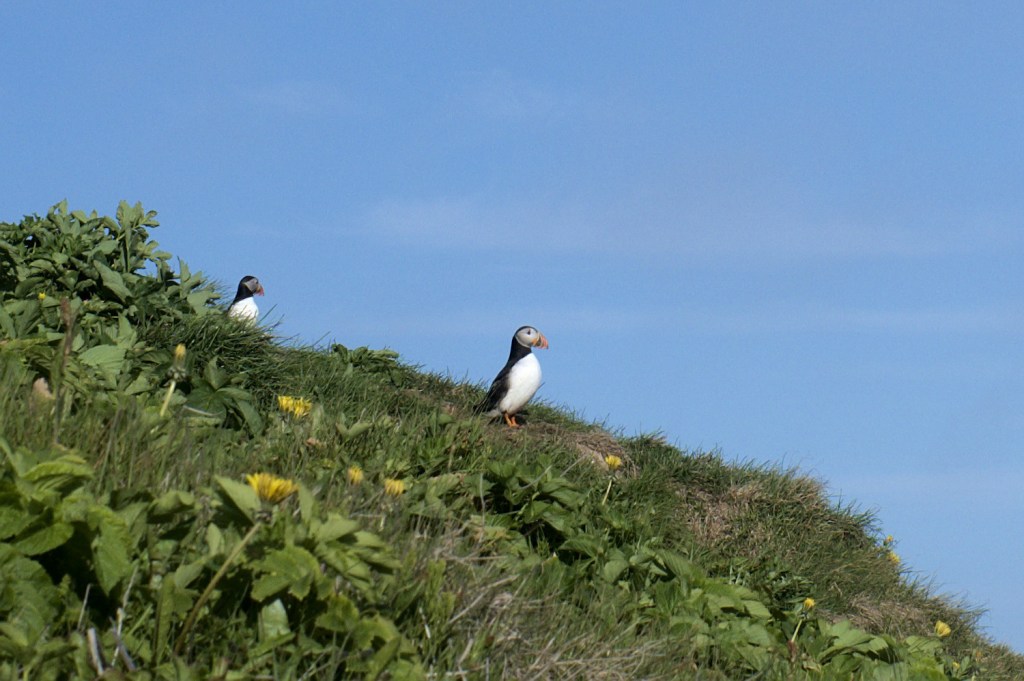
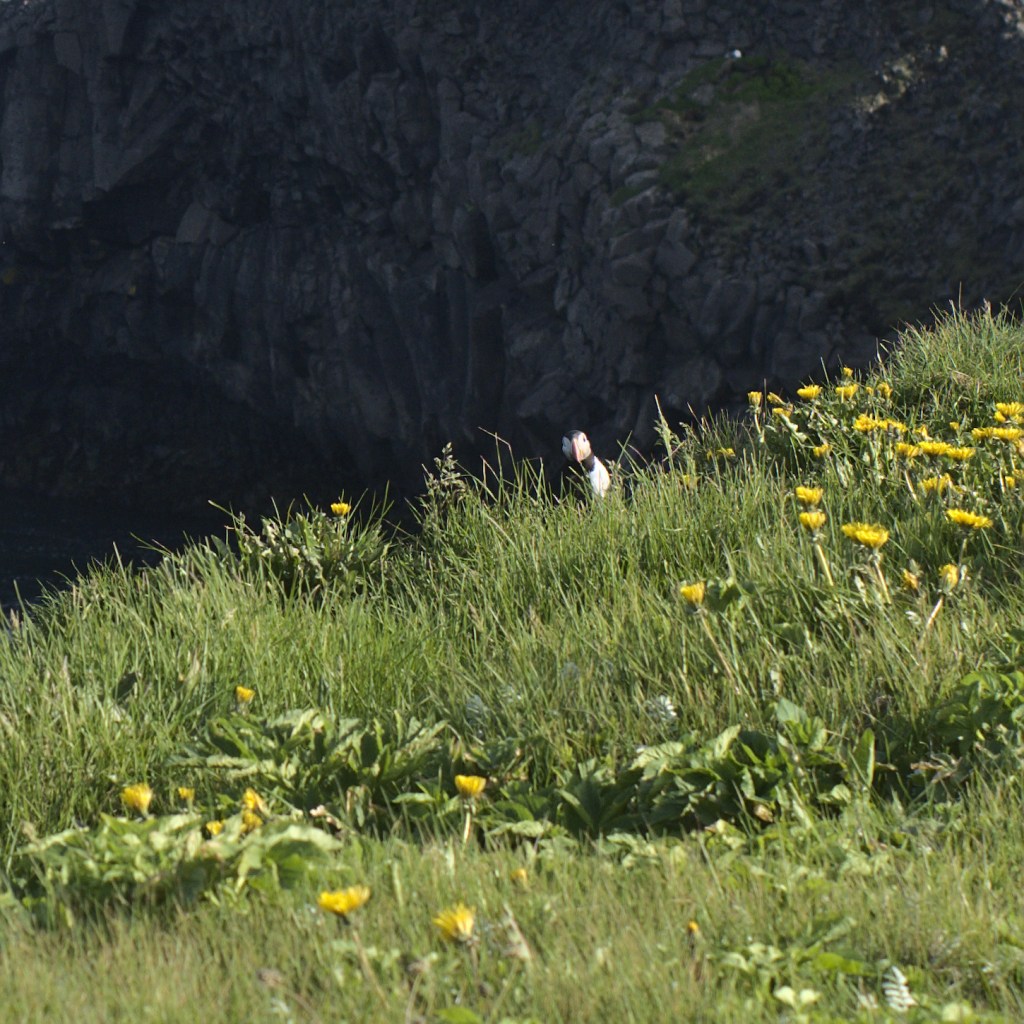
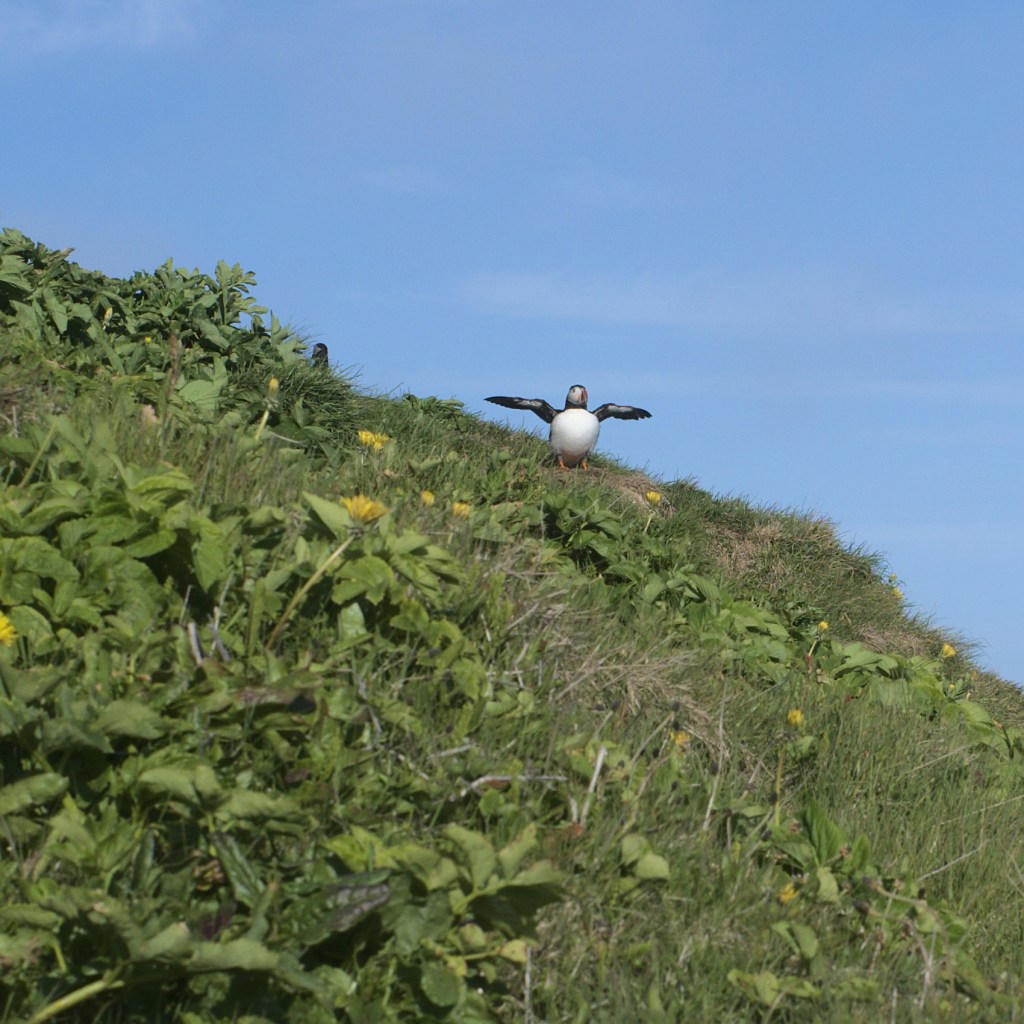
We headed back down to the easy to access spot and saw puffins immediately 😍. I don’t have a telephoto lens; I had to rely on zooming in on the raw image file from my 35mm lens, so these photos aren’t as high resolution as I wish they were, but they’ll do for memories.
Puffins!Hello puffinThey’re funny little birdsPuffins on a sunny day
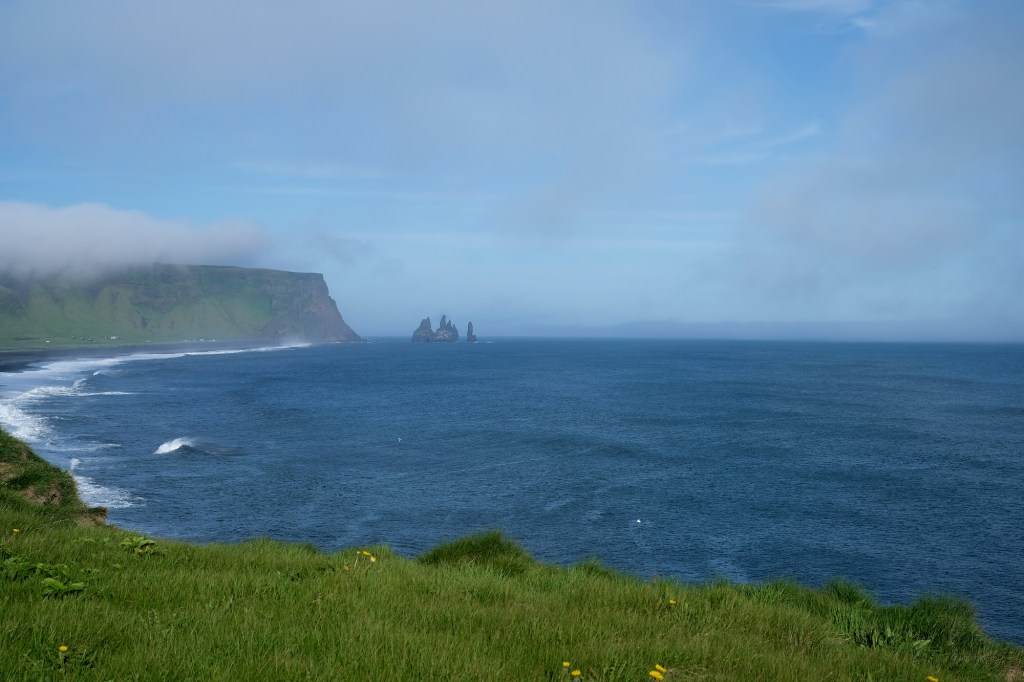
The puffin cliff had some beautiful views as well. We really lucked out getting a sunny day for all of this.
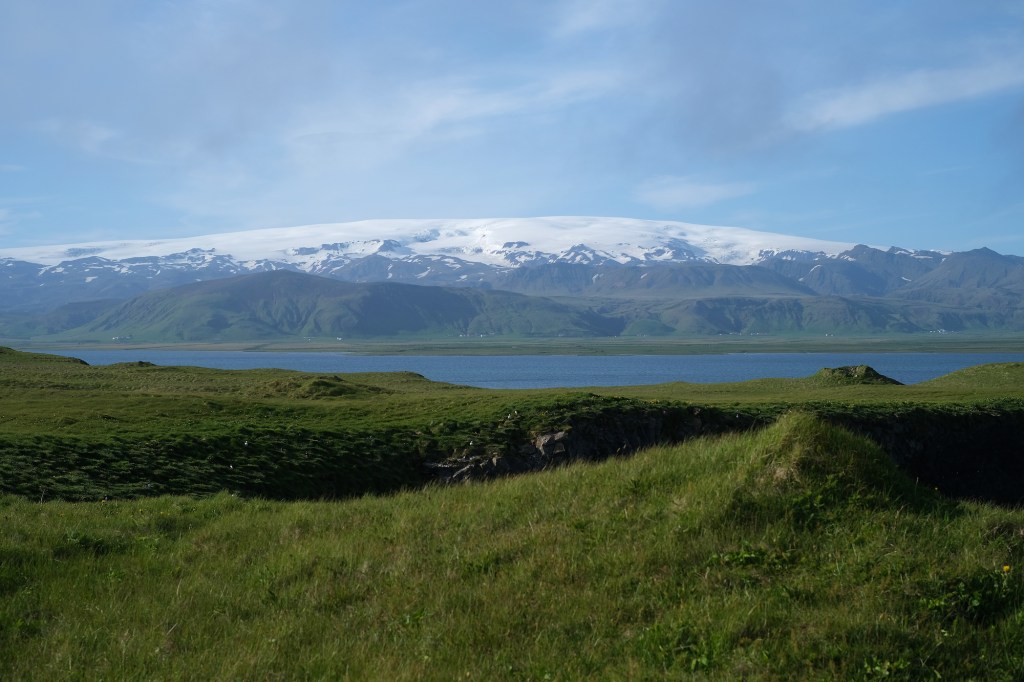
View of sea stacks from puffin cliffVolcano, I don’t know which oneBlack sand beach from above
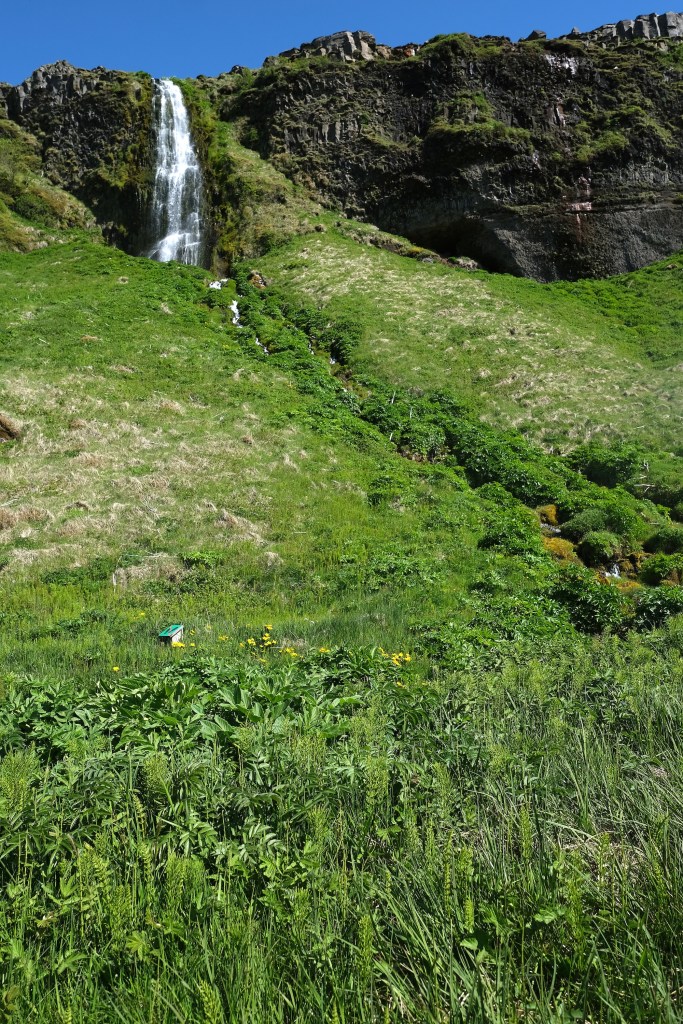
I cannot get over the abundance of waterfalls in the southern part of Iceland. We drive along the road and pass waterfall after waterfall streaming down the sides of mountains. At the base of nearly every one is a house with sheep and fluffy little lambs hopping about. Each household has its own private waterfall.
Nearly every one of these waterfalls would be an attraction that draws tourists any other place. Here, there are so many they become commonplace. “Look, another waterfall. And another. And another.” Only the big dramatic ones have parking lots. Which of course, we visited.
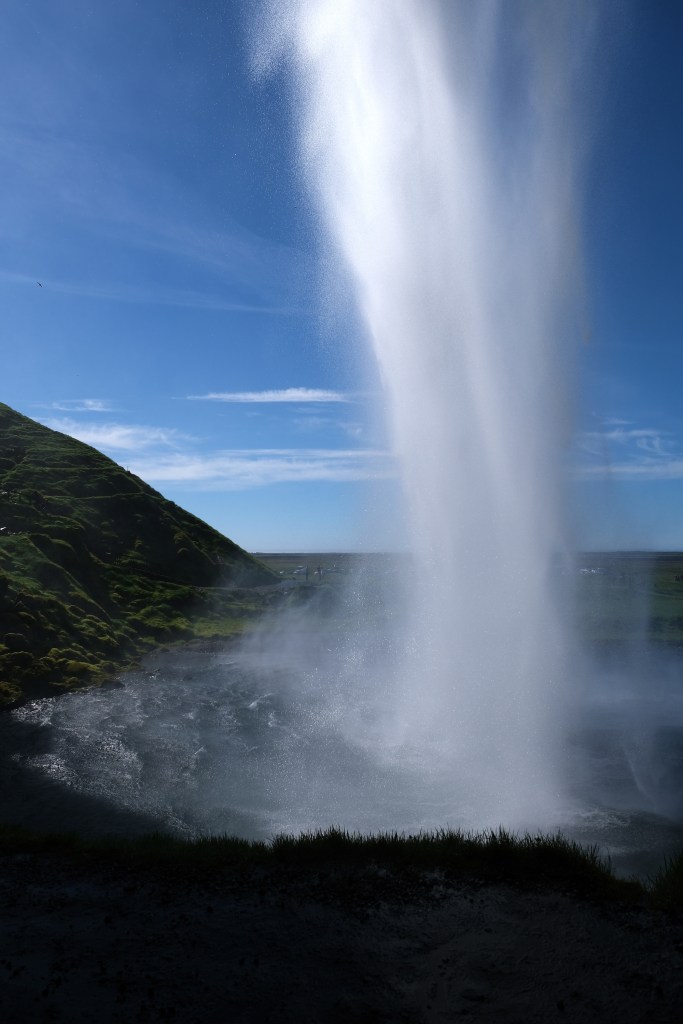
The first one we went to was Seljalandsfoss. It’s a 20 minute drive from our Airbnb, but because there are no trees here and our house is on a hill, we can see the fall in the distance from the deck out front. The Photographing Iceland book I bought before our trip warned that you will get wet when you visit this fall and walk around behind it. I reminded the family over and over to bring raincoats, extra shoes and socks, and clothes they don’t mind getting wet. Guess who forgot their raincoat? Yep, me. Luckily it was sunny and warm on our first visit, and I did remember a towel for my camera, so even though I got wet, I wasn’t miserable, and my camera stayed dry. Plus, we saw rainbows!
Seljalandsfoss waterfallSeljalandsfoss from behind200 ft waterfall drop: Seljalandsfoss, IcelandRainbow in the waterfall sprayRainbow in frontRainbow from behindRainbows and waterfalls
Within a 1 minute walk of the big fall, which dropped about 60 meters (200 feet), were three smaller waterfalls, lush green grass, and happy yellow flowers.
A little side waterfall within 100 m of SeljalandsfossPretty flowers and yet another waterfall another 100 m down the path
Just beyond those, another 1-2 minutes along the path, is a hidden fall, Gljufrabui, that drops through a hollow in the rock. Its name means “gorge dweller,” and the fall is tucked away behind a curtain of rock. To see the water drop, you hop along wet stones (or wade) through a stream under an arch in the hillside, which takes you into a hollowed out column full of spray and the thunder of splash. Inside, you can look up 40 meters (130 feet) to see sky through the hole in the mountainside and watch the water cascade down into the mossy cave. It was super wet in there and I didn’t get any pictures because my lens instantly misted up, but this site has some pretty cool photos.
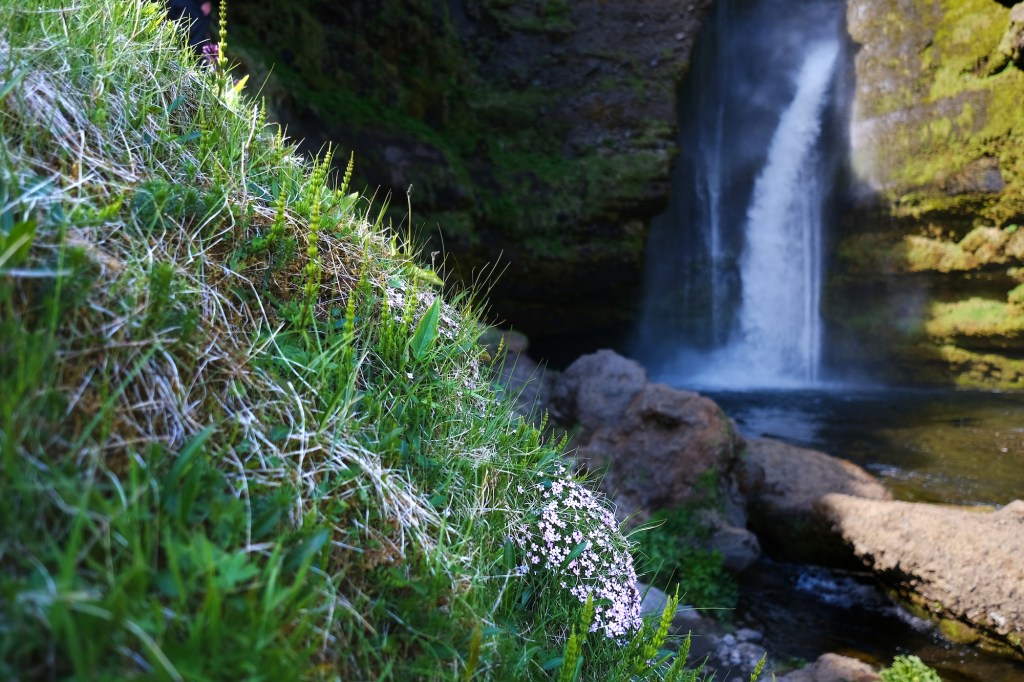
Even closer to our Airbnb is another fall, Gluggafoss, that we happened on when we tried a different route home one day. Unlike Seljalandsfoss, which had restrooms, a coffee stand, and a parking lot full of visitors, Gluggafoss just has an informational sign and space for a few cars to park. There was one person on his way out when we pulled in, so we had the fall to ourselves for as long as we wanted to stay; nobody else arrived while we were there.
Top drop of Gluggafoss waterfallFull Gluggafoss waterfallBottom drop of Gluggafoss with Eyjafjallajökull volcano in the backgroundLittle pink flowers – I think it’s moss campion, Silene acaulis, an arctic and tundra wildflower 😍
































 Butterfly Mind